
Cinnamon Rolls: The Only Recipe You’ll Ever Need
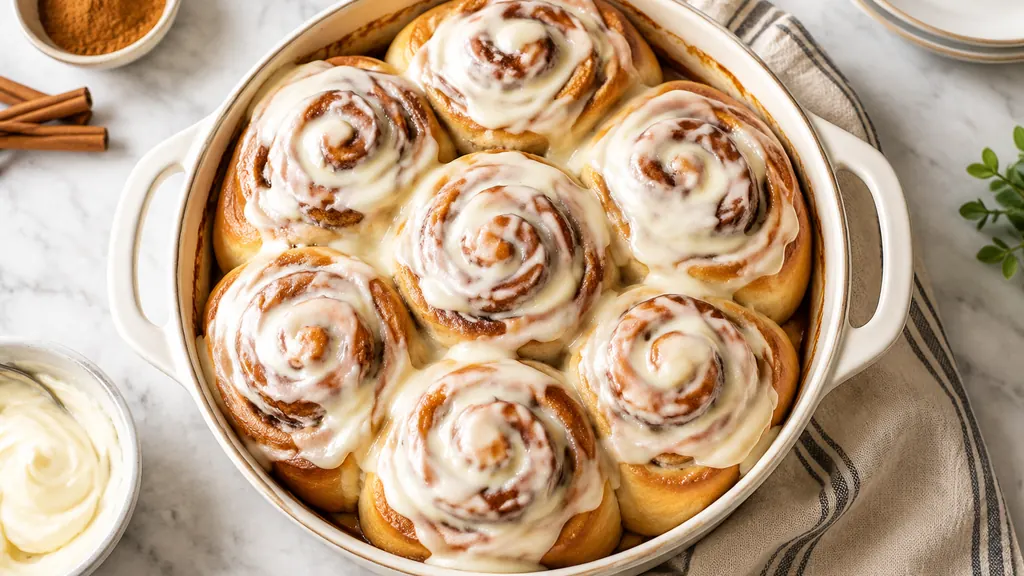
Table of Contents
These bakery-style cinnamon rolls are soft, squishy spirals, packed with a generous brown sugar filling and finished with a tangy cream cheese icing that melts right down into every gap. The dough is forgiving, it’s an enriched dough, and the filling is honest. The full recipe is just below.
The Yum Yum Club · Kitchen Tested Recipe
Bakery-Style Cinnamon Rolls Recipe | The Yum Yum Club
Prep: 1 hr 50 mins · Cook: 25 mins · Total: 2 hr 15 mins
Ingredients
9 servingsNutrition Facts
Per Serving: 1 serving
Nutrition values are estimates calculated per serving from the ingredient list.
Instructions
-
1
In a large bowl, combine the warm milk, yeast, and granulated sugar. Let stand for 5 minutes, until foamy if using active dry yeast.
-
2
Mix in the melted butter, egg, and salt. Add the flour gradually and stir until a shaggy dough forms.
-
3
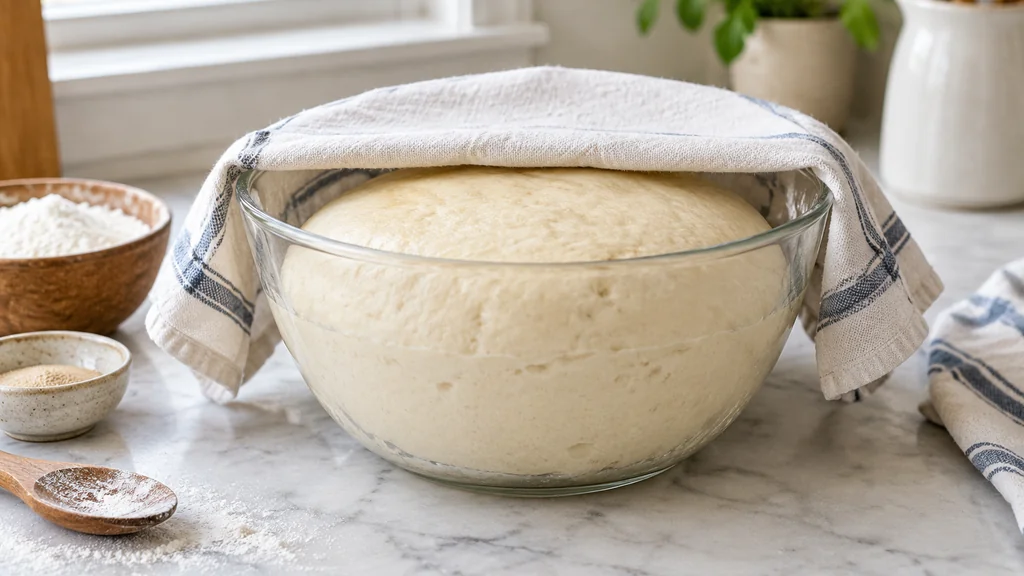
Knead for 8–10 minutes by hand, or 5–7 minutes with a mixer and dough hook, until smooth and elastic. Cover and let rise in a warm place until doubled, about 60–75 minutes.
-
4
Stir together the brown sugar and cinnamon. On a lightly floured surface, roll the dough into a rectangle about 30 by 40 cm.
-
5
Spread the softened filling butter over the dough and sprinkle evenly with the cinnamon-sugar mixture. Roll up tightly from the long side and pinch the seam closed.
-
6
Cut into 9 even rolls and arrange in a greased baking dish. Cover and let rise until puffy, about 25–35 minutes. Meanwhile, heat the oven to 180°C (350°F).
-
7
Bake for 22–27 minutes, until golden on top and cooked through in the center. Let cool for 10 minutes.
-
8
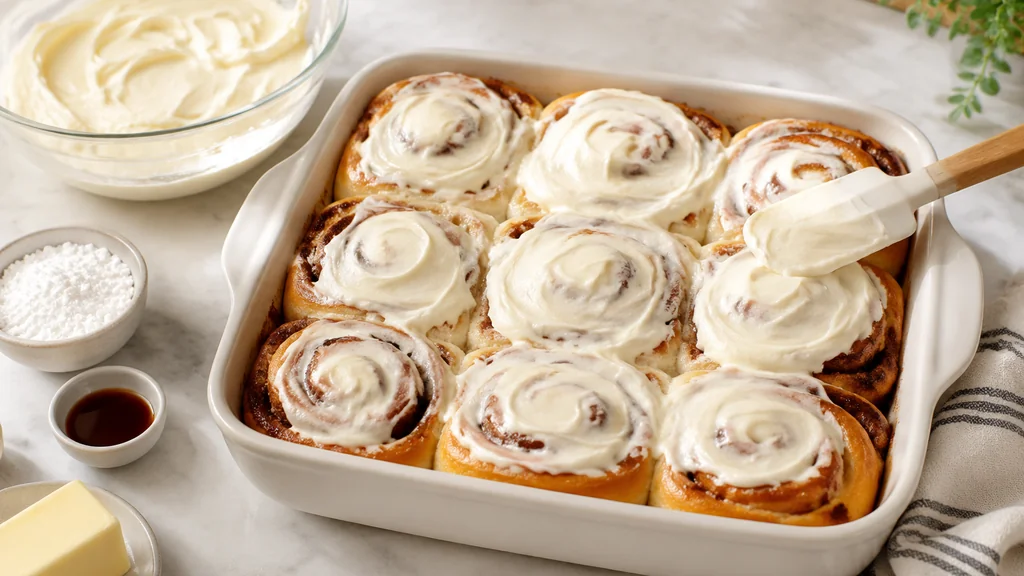
Beat the cream cheese and softened butter until smooth. Beat in the powdered sugar and vanilla, then spread over the warm rolls.
Kitchen Notes & Tips
- Don’t let the milk get too hot. Simple test: if you can’t comfortably hold your finger in it, it’s too hot, and heat is what kills the yeast. And if the yeast doesn’t foam up, it’s dead, so bin it and start again with fresh.
- You’re after a soft dough here. Slightly tacky to the touch, yes, but not downright sticky. Too sticky to handle? Work in a bit more flour, a spoonful at a time. Too dry? A splash of milk sorts it out.
- Pack the cut rolls in tight, snug against each other, in your greased baking dish. That’s the whole trick behind the pull-apart effect. If the filling escapes while baking, chances are you rolled them too loosely, or went a bit heavy on the butter.
- Grab a length of plain dental floss to slice the rolls neatly. Slip it underneath the log, then cross the ends over, so nothing gets squished. And if the tops start browning before the middles are done, tent them loosely with foil.
- Make ahead: mix up your dough the night before and let it rise slowly in the fridge, then let it come up to room temperature before you roll and fill. Or, after arranging the cut rolls in the dish, cover and refrigerate overnight. Let them stand at room temperature until puffy, about 45–60 minutes, then bake as directed.
Storage & Reheating
Storage: Cover and refrigerate iced rolls for up to 4 days. Uniced rolls can be kept covered at room temperature for up to 2 days. Shaped rolls can be frozen before the second rise; thaw them overnight in the fridge, then leave at room temperature until puffy before baking. Baked rolls freeze for up to three months.
Reheating: Warm an individual roll in the microwave for 15–25 seconds, or reheat covered in a 160°C (325°F) oven until warm. From frozen, wrap the rolls in foil and warm them in a low oven until hot all the way through.
Equipment
- Large mixing bowl
- Measuring scale or cups
- Rolling pin
- 9-inch round or similar baking dish
- Stand mixer with dough hook (optional)
- Sharp knife or unflavored dental floss
- Electric mixer or whisk
Substitutions & Variations
Why these cinnamon rolls work
The secret here is all in the dough. It’s what’s called an enriched dough, and that simply means there’s butter, milk and an egg worked into it. That’s the whole reason the rolls come out soft. For the filling, you’re looking at brown sugar and cinnamon, brought together with softened butter. And the icing? A tangy cream cheese one, which cuts right through all that sweetness.
No fancy kit needed here. A bowl, a rolling pin and a baking dish will do the job nicely, and a stand mixer with a dough hook is optional if you’d rather not knead by hand.
Getting the dough right
Begin with the milk. Gently warm it until it feels just warm against your wrist. Here’s the test. If you can’t comfortably hold your finger in it, it’s too hot, and hot milk kills the yeast. Now stir the yeast in along with a spoonful of the sugar, then wait for it to foam up. No foam? That means the yeast is dead, so start again with fresh.
You want a soft dough that’s slightly tacky but not sticky. Too sticky to handle? Add a little more flour, a spoonful at a time. Too dry? Add a splash of milk. Knead until it turns smooth and elastic. A stand mixer does the work for you, or you can knead by hand, which takes about ten minutes.
When the dough has doubled, give it a gentle punch down. Cool kitchen? Here’s a trick. Turn the oven on for a minute, switch it off, then pop the covered bowl inside. Just don’t forget it’s sitting in there when you come to preheat later.
Rolling, filling and cutting
Roll the dough out into a rectangle. Now spread that softened butter over the top, then scatter the brown sugar and cinnamon right out to the edges. Roll it up tightly from the long edge. If the filling leaks out during baking, you’ve probably rolled too loosely or used too much butter, which still tastes good, mind, it just doesn’t look quite as pretty.
Reach for plain, unflavoured dental floss to slice the log into rolls. Just slide it underneath, cross the ends over, and hey presto, nothing gets squished. Pack those rolls snugly into a greased baking dish, because that’s exactly what gives you the pull-apart effect. Then cover them and let them rise once more until they’re puffy and have filled the dish.
Baking and icing
Get the oven on at 180°C (160°C fan, or Gas Mark 4) while the rolls finish their second rise. They’ll need about 22 to 27 minutes in there, until they’re golden brown. If the tops start browning faster than the middles cook, just tent them loosely with foil. And if you want them extra gooey? Pull them out as soon as the centres are just baked.
While they bake, beat the cream cheese, softened butter, powdered sugar and vanilla together until smooth. Go for full-fat cream cheese, as the low-fat stuff goes slack and runny. Over whip it and it can go slack too, so chill it for ten minutes to firm it up. Then spread it over the rolls while they’re still warm, and it melts down into every spiral.
Ingredient notes and substitutions
The card calls for all-purpose flour, which is plain flour to us Brits. Swap in strong white bread flour and you’ll get a chewier roll. Stick with plain and they come out a touch softer. Instant yeast foams up quickly in the warm milk. Active dry yeast works just as well, but give it around ten minutes to foam, and be patient with it.
Whole milk gives you the richest result. Semi-skimmed is absolutely fine, mind. Oat milk works too, just a shade less rich. Going dairy-free? Then use plant-based milk and butter, plus a dairy-free cream cheese alternative for the icing. Unsalted butter lets you control the salt. Only got salted? No problem, just leave the salt out of the dough completely.
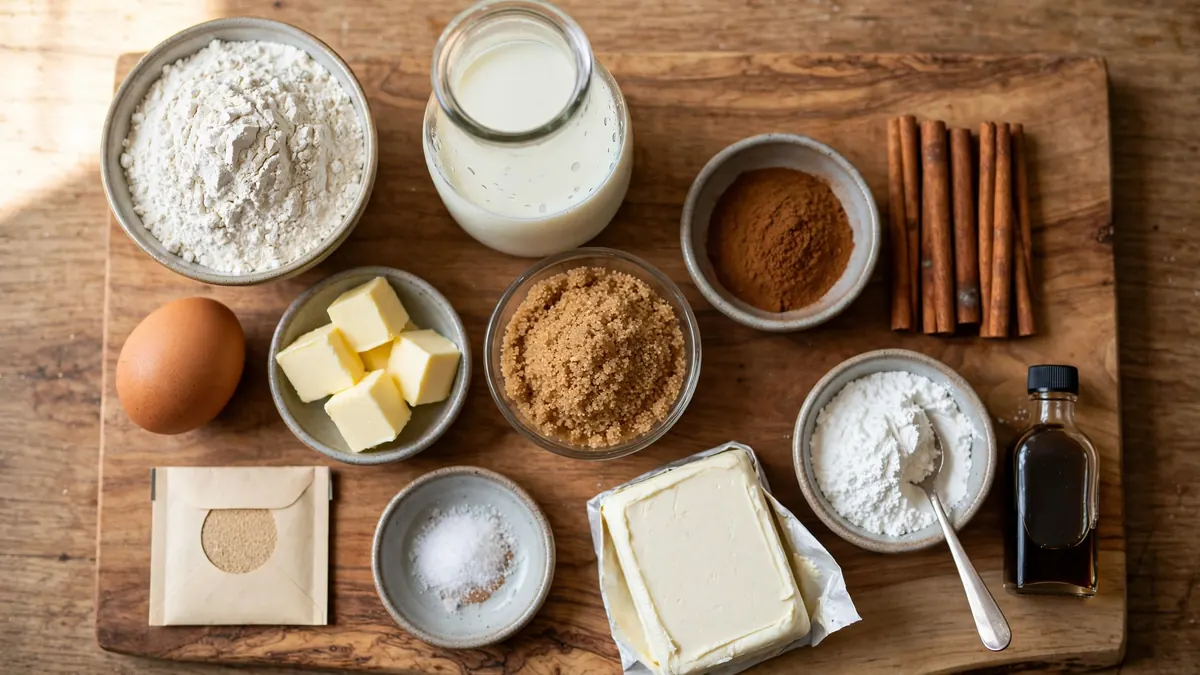
Go generous with the cinnamon. A decent brand really does make a difference, no doubt about it. Most supermarket cinnamon is cassia, which is bold and warm. Ceylon cinnamon, from Sri Lanka, is milder and more delicate. Same story with the brown sugar. Dark brings a deeper, almost treacly note to the bake, while light keeps things more subtle.
Variations and serving
Want to ring the changes? Chopped nuts or raisins work a treat stirred through the filling. A pinch of cardamom in the dough is lovely too. And for a maple version, just swap the vanilla in the icing for maple syrup. Simple as that. Fancy trying something a bit different? Add a streusel topping, or finish with a drizzle of caramel.
These beauties make a lovely Sunday breakfast. Keep it simple, mind. A strong coffee or a cold glass of milk alongside is all you need. Yum!
Make ahead, storing and reheating
You’ve got options here, and that’s a good thing. Make the dough the night before and let it rise slowly in the fridge. Then take it out in the morning and let it come to room temperature before you roll and fill. Or go the other way. Arrange the cut rolls in the dish, cover and refrigerate overnight, then let them stand at room temperature until puffy before baking. Shaped rolls freeze well too, as long as you do it before the second rise. Thaw them overnight in the fridge, then leave them at room temperature until puffy before baking. Simple.
Uniced rolls will sit happily, covered, at room temperature for up to 2 days. Once they’re iced, cover them and pop them in the fridge, where they’ll keep for up to 4 days. Now, to reheat, just warm a single roll in the microwave for 15 to 25 seconds. Or reheat them covered in a 160°C oven until warm. Straight from frozen? Wrap the rolls in foil and warm them in a low oven until hot all the way through.
That is the lot. Soft spirals, a proper cream cheese blanket and a kitchen that smells like a bakery. As always, many thanks for reading and until next time…Steve.
FAQ
Can I use active dry yeast instead of instant?
Yes, absolutely. Just scatter it over the warm milk, add a pinch of sugar, and leave it be for roughly ten minutes. Once it’s foamy, crack on with the recipe. Instant’s my pick, mind, because it wakes up faster.
How do I know when the rolls are done?
They’re ready when they’re golden brown on top and feel firm but springy under a gentle press in the centre. Want to be precise? Then a digital thermometer pushed into the middle roll should read around 88–93°C.
Why isn’t my dough rising?
It’s usually the yeast or the temperature. A cold kitchen slows everything down, and liquid that’s too hot kills the yeast outright. So warm your milk until it feels just warm on your wrist, then stir in the yeast along with a spoonful of the sugar.
Why did my cinnamon rolls turn out dry?
Usually it’s one of two things. Overbaking, or simply not enough fat in the dough. So measure your flour accurately, and don’t leave them in the oven a moment longer than needed. The butter and milk in the dough are what keep them soft, and icing them while warm helps lock that moisture in too.
Can I freeze the baked cinnamon rolls?
Yes, absolutely. Just let them cool right down first, then wrap them up tightly and freeze for up to three months. When you want one, thaw it overnight in the fridge and reheat in a low oven or the microwave. Got icing on them? It might turn a touch sticky, but taste wise it’s still fine.