
Gingerbread Cake: A Moist, Spicy Square for Cold Afternoons
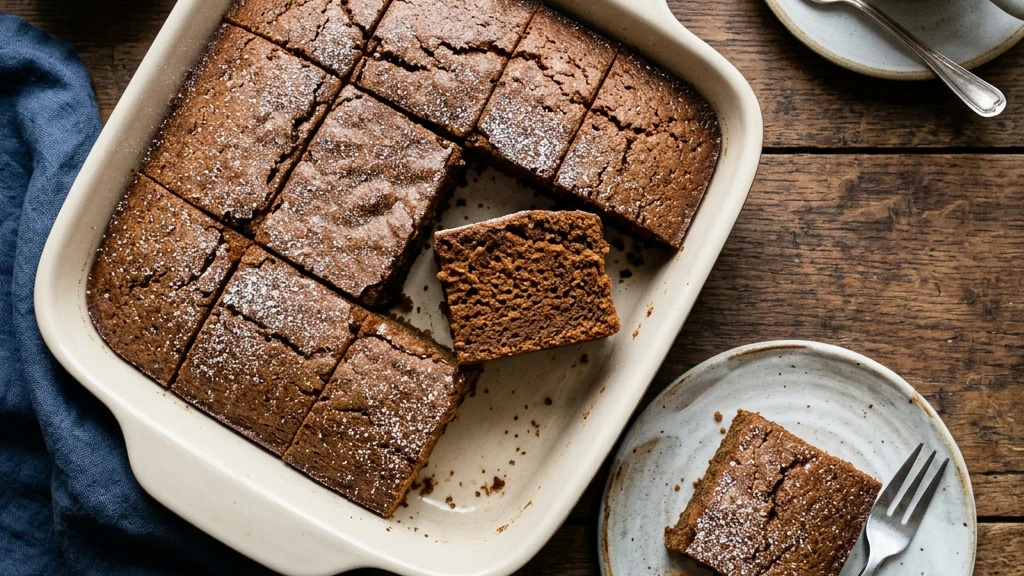
Table of Contents
This is the gingerbread cake I make when the afternoon turns grey and I want the kitchen to smell like a spice cupboard. Deep brown, soft crumb, crackled top. One bowl of dry, one of wet, stir, bake. Jen, who claims not to like “heavy” cakes, has been known to hover by the oven. Yum!
The Yum Yum Club · Kitchen Tested Recipe
Gingerbread Cake: A Moist, Spicy Square for Cold Afternoons
Prep: 20 mins · Cook: 35 mins · Total: 55 mins
Ingredients
9 servingsNutrition Facts
Per Serving: 1 serving
Nutrition values are estimates calculated per serving from the ingredient list.
Instructions
-
1
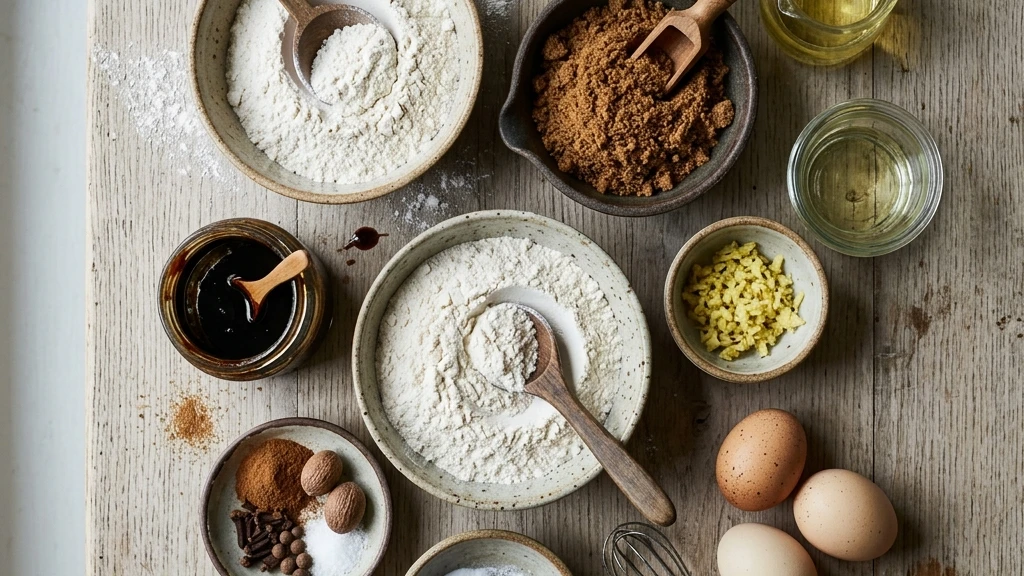
Preheat the oven to 350°F (175°C). Grease an 8-inch square baking pan and line the bottom with parchment paper.
-
2
Whisk the flour, ground ginger, cinnamon, cloves, salt, and baking soda together in a medium bowl.
-
3
In a large bowl, whisk the melted butter, brown sugar, molasses, and egg until smooth.
-
4
Gradually whisk the hot water into the molasses mixture.
-
5
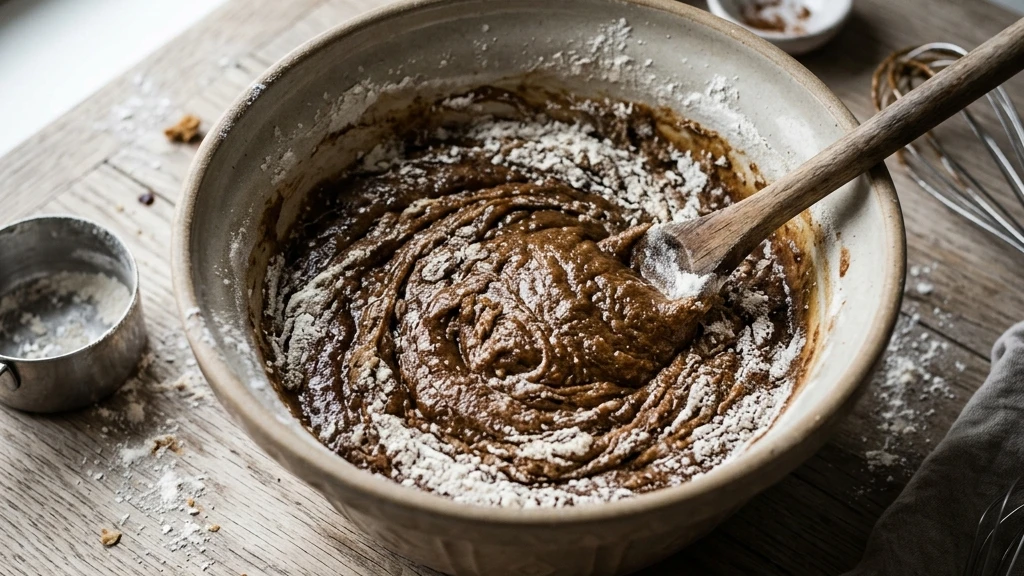
Add the dry ingredients and stir just until no dry streaks remain; do not overmix.
-
6
Pour the batter into the prepared pan and smooth the top.
-
7
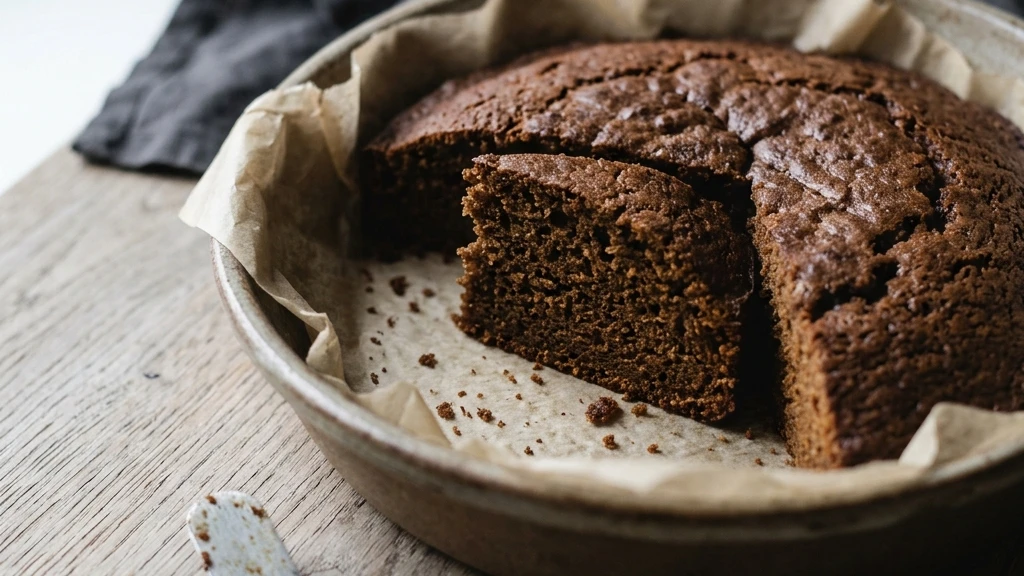
Bake for 32 to 35 minutes, or until the center springs back lightly and a toothpick inserted in the middle comes out with a few moist crumbs.
-
8
Cool the cake in the pan for 15 minutes, then lift it out using the parchment and cool completely before slicing.
Kitchen Notes & Tips
- Measure flour by spooning it into the measuring cup and leveling it to avoid a dense cake.
- Use regular molasses rather than blackstrap, which can make the cake bitter.
- Do not overmix after adding the flour, or the cake may become tough.
- Let the cake cool before slicing so the crumb has time to set.
- Serve with lightly sweetened whipped cream or a dusting of powdered sugar if desired.
Storage & Reheating
Storage: Store covered at room temperature for up to 3 days or refrigerate for up to 5 days.
Reheating: Warm individual slices in the microwave for 10 to 15 seconds, or place the covered cake in a 300°F (150°C) oven for 10 minutes.
Equipment
- 8-inch square baking pan
- Parchment paper
- Medium mixing bowl
- Large mixing bowl
- Whisk
- Rubber spatula
- Toothpick or cake tester
Substitutions & Variations
Why this gingerbread cake works
Now, you might be wondering why this particular mix works when others turn out like bricks. It comes down to three things. The treacle, which gives the colour and that dark, almost smoky sweetness. The hot water, which loosens the batter so it bakes tender instead of tight. And the spice, kept simple. Ginger, cinnamon, a whisper of cloves. Not a spice drawer’s worth.
Do make sure you grab the “original” or “mild” molasses at the shops. I once used blackstrap by accident and, well, let’s just say it was more medicinal than magnificent. If blackstrap is all you’ve got, cut it back and brace yourself. I learned that one from Delia Smith’s books and it has never let me down. On the flour, spoon it into the cup and level it off. Scooping straight from the bag packs it in and you end up with a dense, dry square.
I’ve stuffed this up more times than I care to admit. An extra spoonful of flour is far more damaging than an extra spoonful of sugar. The batter should fall off the spatula in a lazy ribbon, and if it doesn’t, you know where the problem is.
Ground ginger varies wildly in punch. Tesco’s own is fairly gentle, so if you like it fierce, add a bit more. For a gentler cake, keep the cloves to a quarter teaspoon and let the cinnamon lead. Plenty of good bakers swear by a pinch of black pepper in gingerbread. I don’t, but I won’t stop you.
For swaps, melted butter can become a neutral vegetable oil, same amount, no drama, though the butter gives that faint savoury edge I like. If you’re out of egg, a quarter cup of unsweetened applesauce does the job. A quarter teaspoon of freshly grated nutmeg is a good addition if you like it warmer.
How to make it, step by step
The method is short and forgiving, but a few cues matter.
1. Heat the oven and prep the tin. Grease your square pan and line the base with parchment, leaving a bit of overhang to lift it out later. While the oven comes up, gather everything. As always, I like to get all the ingredients measured out before I start, because once the hot water goes in you want no faffing.
2. Whisk your dry ingredients. Flour, ginger, cinnamon, cloves, salt and the baking soda, together in a bowl until no streaks of white remain. If you see little lumps of spice, keep going. That’s the difference between a speckled cake and a smooth one.
3. Whisk the wet mix. Melted butter, brown sugar, molasses and the egg, until it’s glossy and even. It’ll look thick and dark, like tarmac, and that’s exactly right. Then whisk the hot water in gradually. Be a little careful here, because the mixture can spit when it hits the warm pan. The batter loosens right down to a thin, pourable soup.
4. Fold in the flour and get it in the pan. Add the dry to the wet and stir, but only until the last dry streak disappears. A few small lumps are fine. Overmixing is the one real mistake. Scrape it into the tin and smooth the top.
5. Bake and judge by look. The cake is done when the middle springs back lightly under a fingertip and a skewer through the centre comes out with a few moist crumbs. Not clean, but no wet batter. The top will have crackled and gone deep brown, and it’ll smell of ginger from the hallway, which for me is the signal to get the kettle on.
Don’t rush the cooling. Hot gingerbread is fragile and will tear when sliced. Fifteen minutes in the pan, then out onto a rack. Your patience gets rewarded with neat, clean squares.
Variations
If you want a sticky top, brush the warm cake with a little warmed golden syrup as it sits in the pan. It gives a shine and a faint toffee note. For a fruit version, fold in a handful of chopped stem ginger, but pat it dry first so it doesn’t sink. For a lemon lift, add the zest of a lemon to the wet mix, which is a Mary Berry sort of move and it works. If you want a looser, more crackly cake, bake it in a slightly smaller pan. Watch it closely, because it’ll take less time.
Serving ideas
We eat it plain and warm, which is probably sacrilege somewhere. Lightly sweetened whipped cream is the classic, and a dusting of icing sugar looks the part. A spoon of crème fraîche cuts through the sweetness nicely. Good vanilla ice cream, the sort from a UK supermarket freezer aisle, does the job too. Jen, ever watchful of the waistline, insists on a sliver with her tea. Me? I cut myself a doorstop and drown it in strong coffee. Don’t tell her.
Storage, freezing and reheating
Keep it covered at room temperature for a few days, or refrigerate it if the kitchen is warm, and it’ll be even better on the second day, since the spices mellow. Freeze the cooled, uncut cake, well wrapped, and eat it within two months. To reheat, warm a slice in the microwave briefly, or put the covered cake in a low oven until it’s just warmed through. From frozen, skip the microwave shortcut and use the oven for a good deal longer, checking it’s hot in the centre.
More from the blog worth a look: Plum Cinnamon Cake, How to Choose the Perfect Cake for Any Occasion and Humble Hummingbird Cake With Sweet Pecan Dust.
Gingerbread cake questions, answered
Can I make this gingerbread cake ahead of time?
Yes, and it’s the sensible way to do it for a weekend. Bake the cake up to two days before you need it and keep it wrapped at room temperature, not in the fridge if you can help it, because the cold firms the crumb. The flavour actually deepens overnight. Only ice it, or glaze it, on the day.
Why did my gingerbread turn out dry or dense?
Usually too much flour, or the batter was overmixed once the dry ingredients went in. Spoon-and-level the flour and stop stirring at the last dry streak. A dense cake can also come from old baking soda. It’s worth replacing it regularly so the rise stays reliable.
Do I really have to use molasses?
It gives the flavour and colour that make this a gingerbread rather than a spice cake. If you can’t find it, a dark soft brown sugar plus a spoon of golden syrup makes a decent stand-in, though the result is lighter and a bit sweeter. Unsulphured molasses from the supermarket baking aisle is the one you want.
Can I bake it in a loaf tin instead?
You can, and it makes a lovely tea loaf, but it changes things. A loaf takes longer and can dry at the edges before the middle is set. I’d keep the square pan unless you want to experiment, and if you do, start checking earlier than you think you need to.
What should I serve with it?
Lightly whipped cream, crème fraîche or vanilla ice cream all work. A little warmed golden syrup poured over warm slices is the treat version. Don’t overpower it with heavy frosting; the cake is the point. A simple dusting of icing sugar is enough on its own.
As always, many thanks for reading and until next time…Steve.

You might also love
More in Dessert
Fresh Fig and Almond Galette: A Rustic Pudding That Never Disappoints
Updated: November 1, 2026 This rustic fig galette is what happens when you fancy a proper pudding but can’t be faffed with…
Read
Plum Cinnamon Cake: A Golden, Juicy Bake for Autumn
Updated: November 1, 2026 Now, Jen will tell you I can’t walk past reduced fruit in the supermarket. Last Tuesday I came…
Read
Gingerbread Men Cookies: A Proper Christmas Bake
Updated: November 22, 2026 Jen came home with a gingerbread man cutter the size of a saucer and dared me to use…
Read