
Fish Pie Recipe: Creamy, Make-Ahead & Foolproof
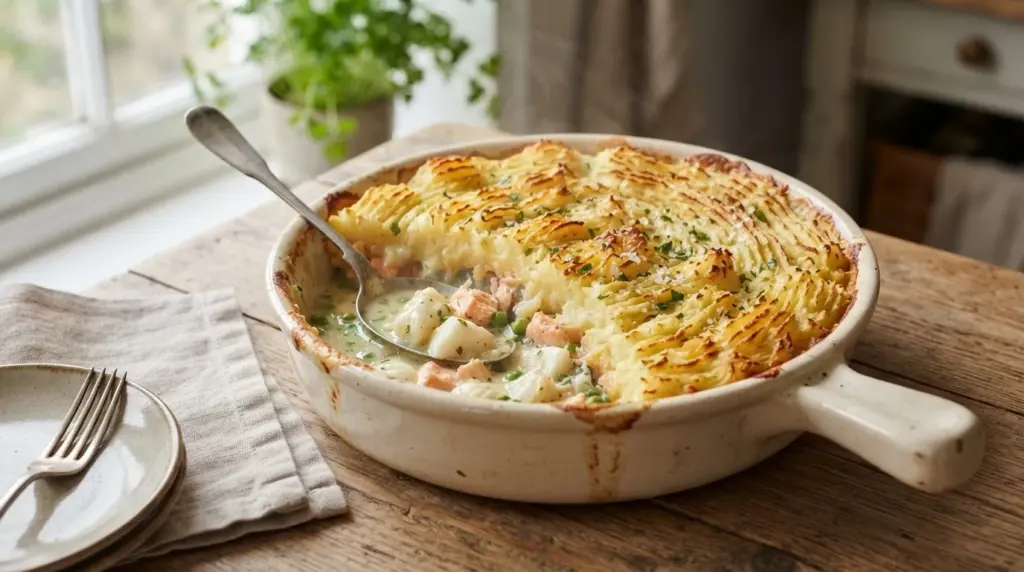
Table of Contents
Fish pie is Sunday-night comfort food, plain and simple. Lovely flakes of smoked haddock, cod and salmon in a creamy parsley sauce, capped with mashed potato and baked till gold. It looks like a big project, but it isn’t. It takes about an hour, mostly hands-off, and feeds six. Keep the sauce thick and the mash light, and yours will beat any supermarket version.
The Yum Yum Club · Kitchen Tested Recipe
Classic Creamy Fish Pie
Prep: 30 mins · Cook: 30 mins · Total: 1 hr
Ingredients
6 servingsNutrition Facts
Per Serving: 6
Nutrition values are estimates calculated per serving from the ingredient list.
Instructions
-
1
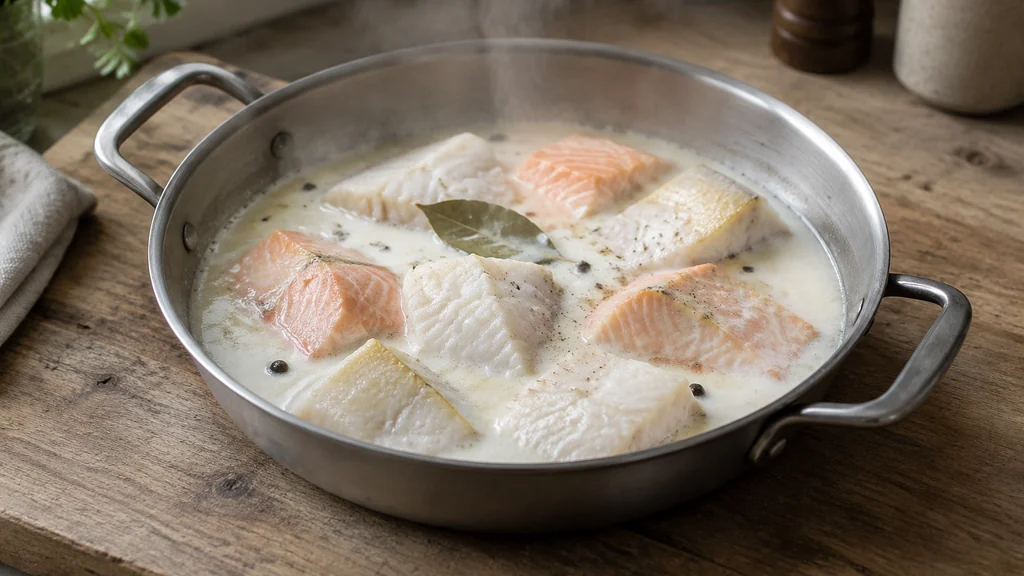
Heat oven to 200C (180C fan, gas 6, 400F). Poach all the fish in the 600 ml milk with bay leaf and peppercorns at a bare simmer for 4-5 minutes until just set. Lift out the fish; reserve the milk.
-
2
Melt 50 g butter, stir in the flour and cook 1 minute. Whisk in the warm poaching milk until you have a thick, smooth sauce that coats a spoon. Stir in parsley and lemon juice; season carefully.
-
3
Boil the potatoes until tender, drain, steam-dry 1 minute, then mash with butter and a splash of warm milk. Season well.
-
4
Flake the fish into a baking dish, add prawns or egg if using, pour over the sauce and fold gently to coat.
-
5
Spoon the mash over, spread to the edges to seal, and rough with a fork. Scatter over cheddar if using.
-
6
Bake 25-30 minutes until golden and bubbling. Rest 5 minutes before serving.
Why this fish pie works
Right, here’s why it works. One dish, one oven, and it feeds six with a bit of green on the side. It’s forgiving too. The fish poaches in the same milk you turn into the sauce, so nothing goes to waste. And you can build the whole thing a day ahead.
Which fish, and what to swap
Go for a trio, my Foodie Friends: one firm white fish, one smoked fish, and a bit of salmon. Keep the amounts roughly equal, skin it all off, and cut it into big chunks. Big ones! Otherwise they’ll vanish into the sauce.
- Firm white fish (cod, haddock, pollock or hake): the backbone. Pollock and hake are cheaper and work just as well. Like cod on its own? Try our pan-fried cod with leek risotto.
- Smoked haddock: the savoury, slightly salty depth. Buy undyed if you can (natural pale gold, not bright yellow). It also carries our smoked haddock & prawn seafood pasta. Cooking for little ones who find it too strong? Leave it out and bump up the white fish and salmon a touch.
- Salmon: colour and a buttery texture. A single fillet is plenty. Want it as a supper another night? Try our steamed salmon in white wine.
- Optional extras: a handful of raw king prawns, or two quartered hard-boiled eggs. Both traditional, neither essential.
How it comes together
Amounts and times are in the recipe card above. Think of this as the why. Get your head round it once and you’ll be cooking it from memory.
Poach the fish in milk
Poach the fish gently in the milk with the bay leaf and peppercorns, just until it sets. It’s going back in the oven, so don’t cook it through. Keep that milk. It’s why the pie tastes of the sea and not of flour.
Keep the sauce thick
Cook the butter and flour paste for a minute to knock out the raw taste, then add the warm milk a ladle at a time, whisking. Keep it thicker than you reckon you need. It should coat the back of a spoon and hold a line when you drag a finger through. Go carefully with salt, because the smoked haddock is already salty.
Mash it light
Floury potatoes (Maris Piper or King Edward) work best. Drain them well and let them steam-dry in the colander, or you get claggy mash. Mash by hand with butter and warm milk until smooth, then stop. Season properly. Bland mash drags the whole pie down.
Assemble and seal
C’mon, let’s get this together. Flake the fish into big pieces, bin any skin or bones, then fold the sauce through gently. Spoon the mash on in dollops and spread it right to the edges to seal the filling in, so the sauce can’t bubble over. Rough up the top with a fork. Those ridges crisp and brown. Yum!

Bake until golden
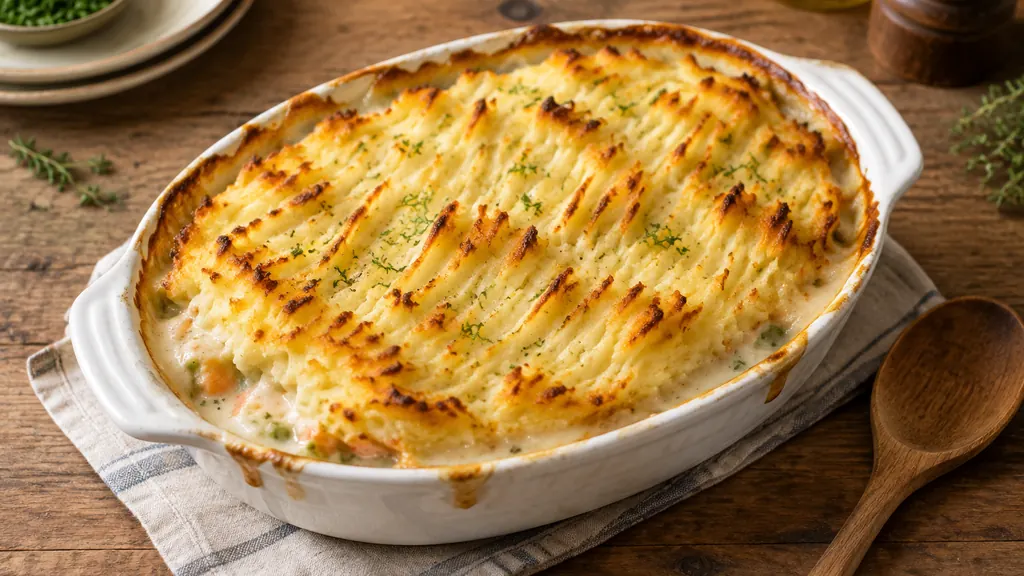
Look for a golden top and sauce bubbling up round the edges. Want deeper colour? Grate a little cheese over the mash first, or flash it under the grill for the last two minutes. Let it settle for five minutes before serving, or the filling runs.
Tips for the best fish pie
- Thaw and pat dry. Frozen fish is fine, but thaw it fully and pat it down with kitchen paper, or the water it releases thins your sauce.
- Rescue a loose sauce. Simmer it a couple more minutes or whisk in a teaspoon of cornflour slaked in cold water.
- Lift the mash. A spoon of Dijon mustard or a handful of grated mature cheddar does the job. Short on time? Buttered breadcrumbs mixed with cheese and lemon zest make a quick crunchy lid instead.
Make ahead, freeze and reheat
Make ahead: build the pie up to the baking stage, cool it, cover and chill for up to 24 hours. Bake from cold with about 10 extra minutes, and check the centre is piping hot.
Freeze: up to 3 months. Build it unbaked, wrap tightly and freeze. Defrost fully in the fridge overnight, then bake until golden and piping hot. Skip the hard-boiled eggs if freezing, because they turn rubbery, and use fish that hasn’t been frozen before.
Reheat: cover loosely with foil and warm at 180°C (160°C fan, gas 4) for 20 to 25 minutes, foil off for the last five so the top crisps. A single portion is fine in the microwave. Only reheat fish once, and make sure it’s steaming hot in the middle.
Fixing a watery pie or gluey mash
Watery pie? Too much liquid going in, or the fish letting go of its water. Thicken the sauce first, pat the fish dry and seal the mash to the edges. Still loose? The rest lets it set.
Gluey mash? You’ve overworked the starch. Mash by hand, stop once smooth, and never use a food processor, which whips it into paste.
The bottom line
Get the sauce thick and the mash light, and this one earns its place on a busy weekend.
Fish pie FAQ
What do you serve with fish pie?
Something green and simple. Buttered peas, wilted spinach, tenderstem broccoli or minted garden peas cut straight through the richness. Want it lighter? A crisp green salad does the job. Extra carbohydrate? The mash has that covered.
Do you have to cook the fish before making a fish pie?
Yes, but only lightly, until it’s set. That poaching flavours the milk you turn into the sauce and firms the fish so it flakes neatly. The oven finishes the job, so don’t overdo it, or it’ll go dry.
Can I make fish pie without cream?
Yes. There’s no cream in this one at all. The milk-based parsley sauce comes out plenty rich, thanks to the butter and the salmon. Want it more luxurious? Swap a splash of the milk for cream.
Can I use frozen fish?
Frozen fish works a treat, and it’s often cheaper. Thaw it right through in the fridge, then pat it dry before poaching. Don’t refreeze the finished pie if you built it from fish that was frozen before.

You might also love
More in Fish & Seafood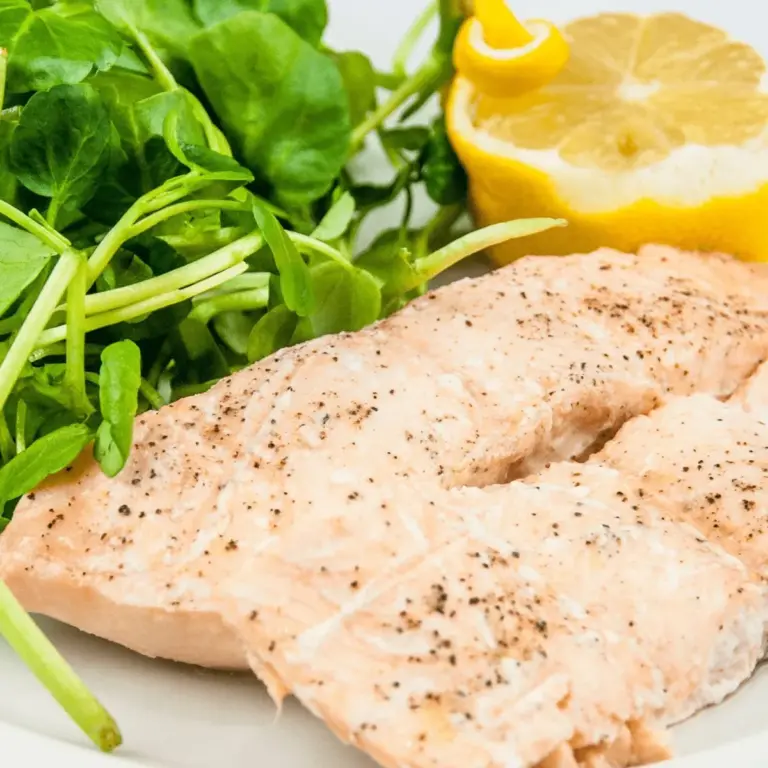
Steamed Salmon in White Wine
Updated: September 29, 2026 This steamed salmon in white wine is a great, yet very simple recipe. Even though I say so…
Read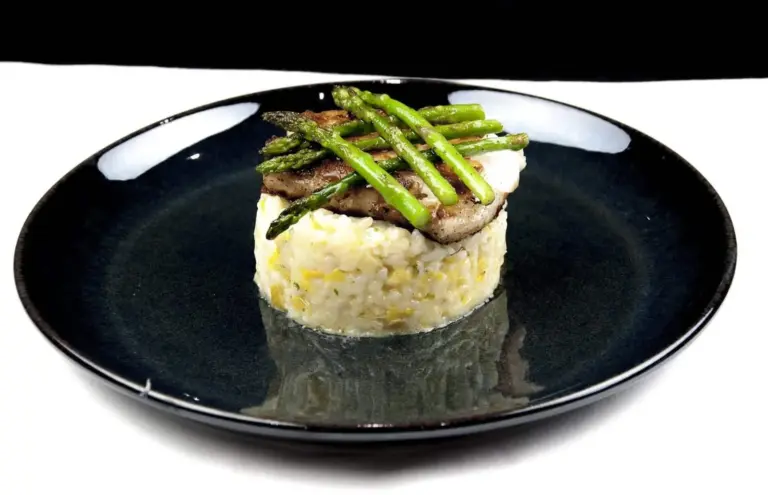
Pan-Fried Cod with Leek Risotto
Updated: July 12, 2026 Right then my foodie friends, pan-fried cod with leek risotto. this is a very versatile dish and you…
Read
Spicy Codfish Tacos
Updated: July 12, 2026 I would say that 95%+ of the recipes that I post I have made and tested before. I…
Read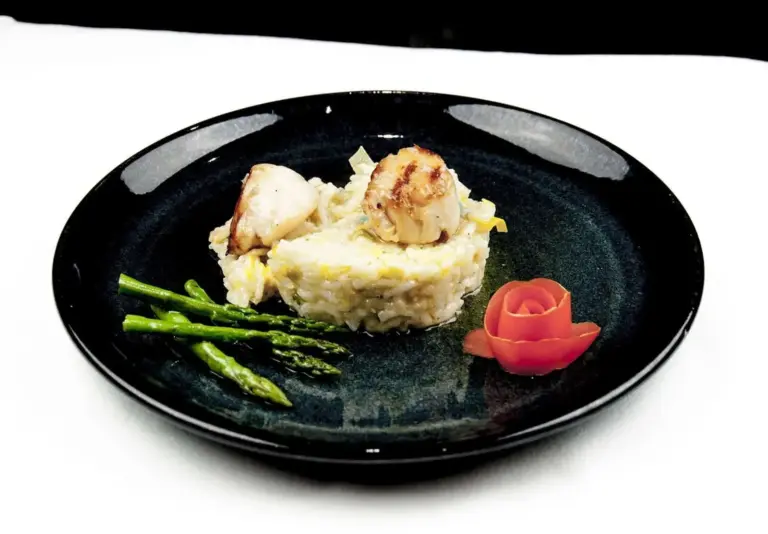
Pan-Fried Scallops with Leek Risotto
Updated: September 29, 2026 Right then my foodie friends, pan-fried scallops with leek risotto. Or, as you’ll see, any seafood with leek…
Read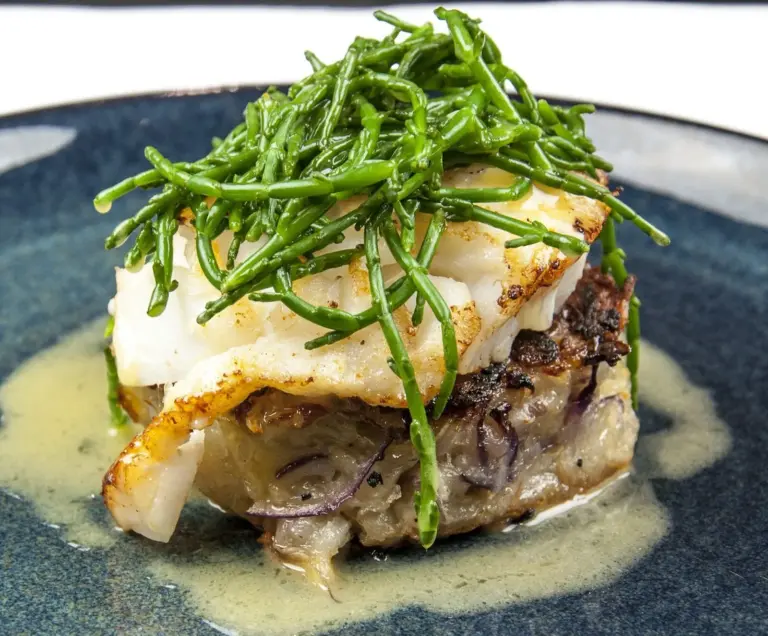
Pan Fried Cod with Classic Beurre Blanc
Updated: July 12, 2026 Pan-fried cod with classic beurre blanc sauce. Served with potato rosti and samphire. Seafood with vegetables from the…
Read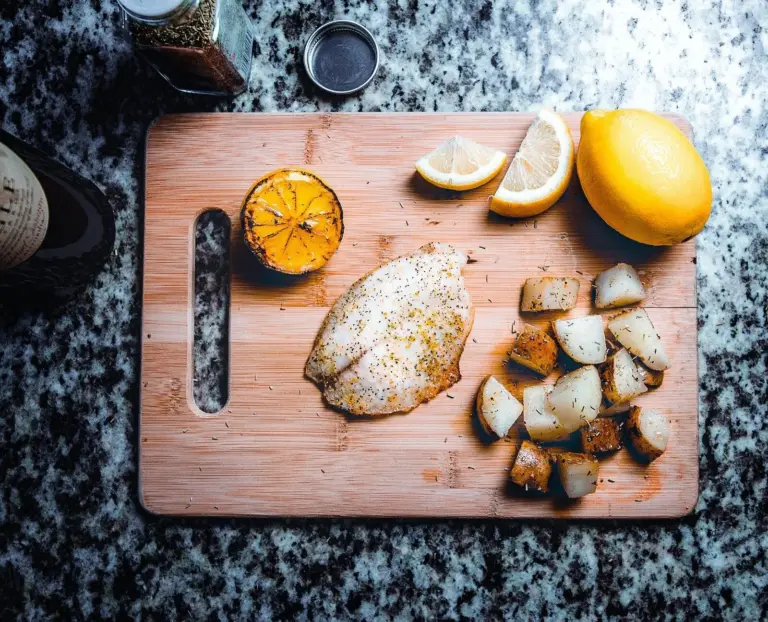
8 Amazing Recipes You Can Try For Cooking Fish
Updated: July 12, 2026 Cooking Fish If you love to fish but don’t know how to cook it, these 8 amazing recipes…
Read