How To Package Food Products For Retail?
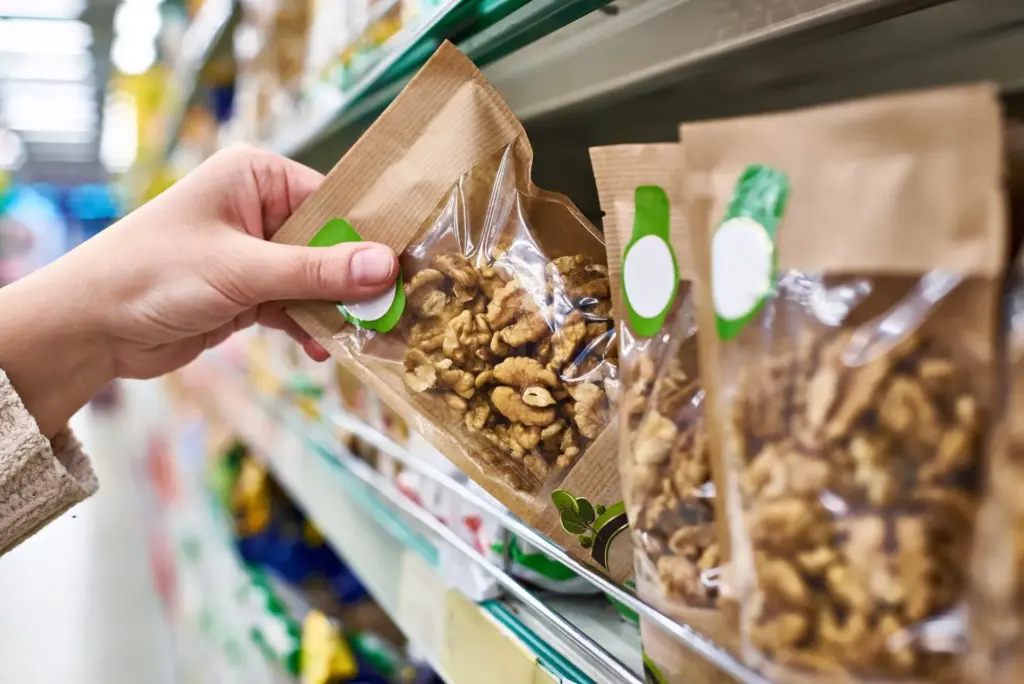
Table of Contents
OK, my Foodie Friends, making great food is only half the job. Selling it in a shop means the pack has to protect it, look good and tick the legal boxes too. Here are the ways to get it right.
Pick the right packaging material and type
Different foods need different packs. Put an iced cupcake in a paper bag and it won’t look pretty by the time a customer gets it home. You can’t control the journey, so the pack has to do the work.
Bags
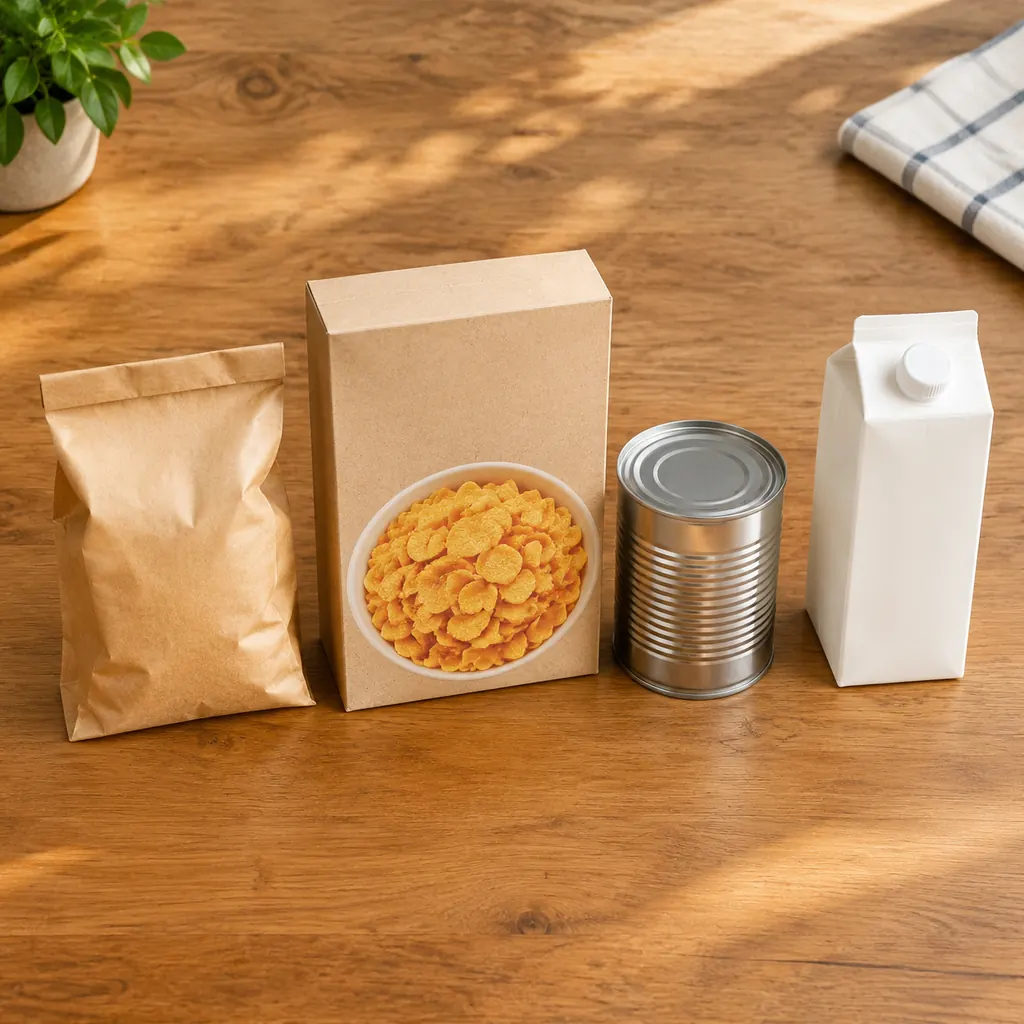
Bags are usually plastic or paper wrappers that tear open easily. They keep air and bugs away from the food, which is why you see them with snacks like chips and pretzels.
Boxes
Boxes are cost-efficient, easy to transport and look good on a shelf. They suit frozen pizza, crackers and cereal. They also work for cooked food, and they’re a sensible choice if the shop serves hot food or offers delivery services.
Cans
Got something wet, like gravy, soup, fruit, veg or meat? A can is the answer. It’s sealed tight, so there are no leaks or spills, and no sunlight gets through. It stays shut until someone uses a can opener or twists the lid.
Cartons
People mix up boxes and cartons, but they’re different. A carton is usually coated inside with a thin layer of plastic or paraffin to keep moisture out. It works a bit like a can, though it’s less durable. Think eggs, milk and juice.
Wrappers
Wrappers are thin plastic, and they protect individual items. Candies and light snacks are the classic examples. Those foods have a low melting point and stick to each other if they sit uncovered in the same container.
Know your target market

Who’s buying? That shapes the tones, moods and design that catch their eye. Selling to wealthier shoppers? Go luxurious but minimalist. A matte finish on a bag looks posher than the usual glossy one.
Research what your market likes. You can even run a test with them and see how they react to your design.
Build your branding
Shelves are crowded, so people need to remember you. Strong branding also helps if you add more products to your line later, because customers will spot the new one as coming from your business straight away, so the new product feels like part of the same range.
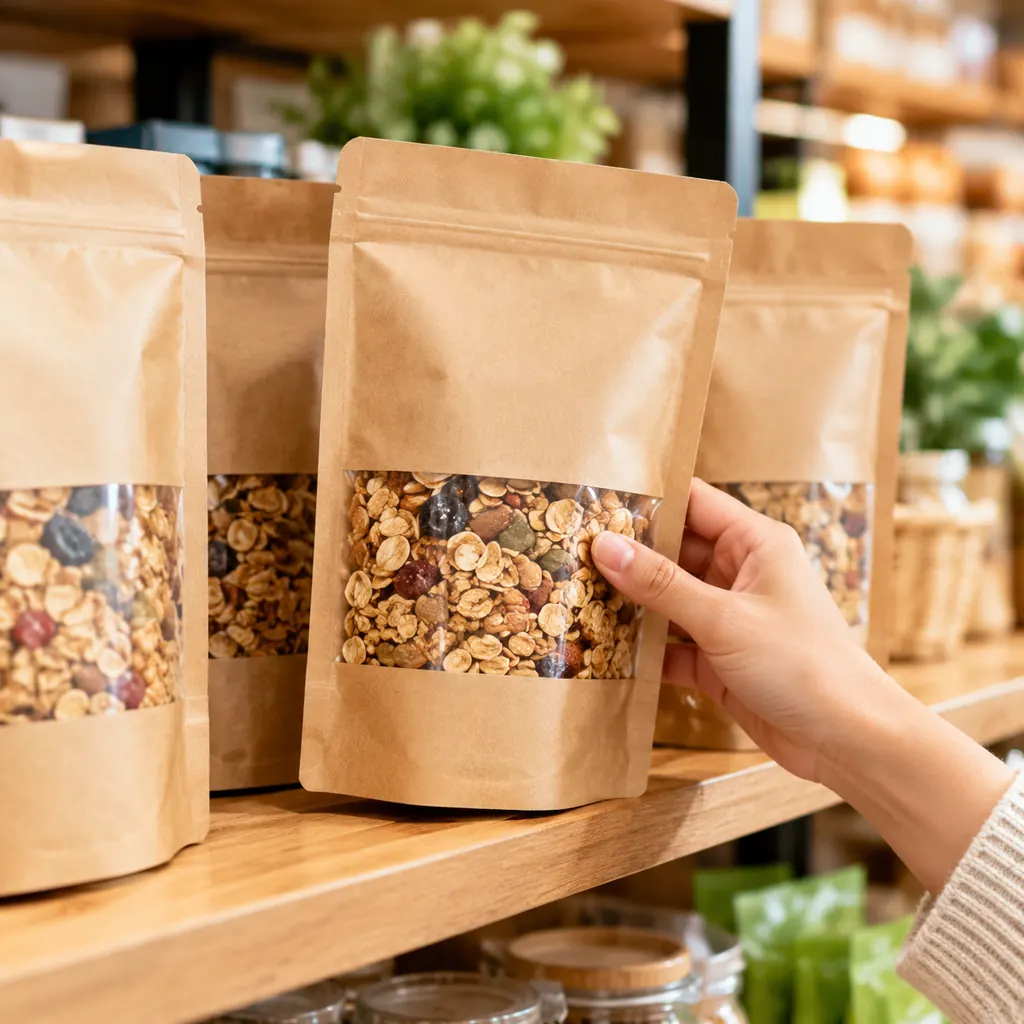
Pick your colours and art style, and stay consistent. Fancy, minimalist, artsy or cartoonish all work if they fit the brand. A graphic artist can keep it consistent while still making the product look appetising.
Include the important details
Not exciting, but they’re a Food and Drug Administration (FDA) requirement, and skipping them can land your business in trouble. Most of these can sit on the back, so the front stays free for the design. Your pack should carry:
- Nutrition facts
- Allergens
- Net weight (net quantity)
- Details of the manufacturer (name and place of business)
- Ingredient list
- Product identification (statement of identity)
Barcodes aren’t on that FDA list, but many retailers still ask for one. Check with the shop before you print.
Check your competitors’ designs
Once you’re in retail, you’ll be up against rivals. Look at their packs and see how they look on the shelf. Take inspiration, then find ways to stand out. Looking for quality food packaging? That’s the starting point, and there’s plenty more to get right after it.
The bottom line
Choose the material that keeps the food fresh, then think about your market, your brand, your rivals and the FDA rules. It’s a bit of work, but a pack that does all of that is worth it. As always, many thanks for reading and until next time…Steve.
Food packaging FAQ
What is the best packaging for food sold in retail?
It depends on the food. Dry snacks suit bags, cereals and frozen pizza suit boxes, wet foods suit cans, and milk and juice suit cartons. Match the pack to how the food behaves, then worry about the look.
Why does my packaging design matter so much?
Because it sits on a shelf beside plenty of rivals. It has to look right for your target market and make your brand easy to remember.
What details must go on food packaging in the US?
The FDA expects nutrition facts, allergens, net weight, the maker’s details, the ingredient list and product identification (the statement of identity). Most can go on the back, which keeps the front free for the design.
Do I need a barcode on my food packaging?
The FDA does not list a barcode among its labelling rules. Many retailers still ask for one, so check with the shop you want to sell in.

You might also love
More in Kitchen Tips & How-To
Top 5 Delicious Recipes to Try While Maintaining a Keto Diet
Updated: July 12, 2026 There are several food diets to choose from nowadays, but the ketogenic diet is the most popular. It…
Read
Use Texas Olive Oil To Stay Cool & Healthy This Summer
Updated: July 12, 2026 The last thing you want to do when the summer sun is out is spend countless hours next…
Read
Top Tips For Making BBQ Like A Pro At Home
Updated: July 12, 2026 Barbequing is an art form. Professional barbeque chefs understand that there are endless options for crafting meals and…
Read
Diet Changes That Could Help You to Manage Stress
Updated: July 12, 2026 Most of us feel stressed out at least some of the time. When it comes to fighting stress,…
Read
How to Remove the Stone from an Avocado (Two Steps, No Mess)
Updated: July 12, 2026 Removing the stone from an avocado cleanly — without gouging half the flesh out with a spoon, or…
Read
How to Plan a Party Menu So Good, People Will Forget the Decorations
Updated: July 12, 2026 When you’re throwing a party, it’s easy to get caught up in the décor. String lights? Check. Perfectly…
Read