
Chicken Manchurian: Crispy, Garlicky, Restaurant-Style at Home
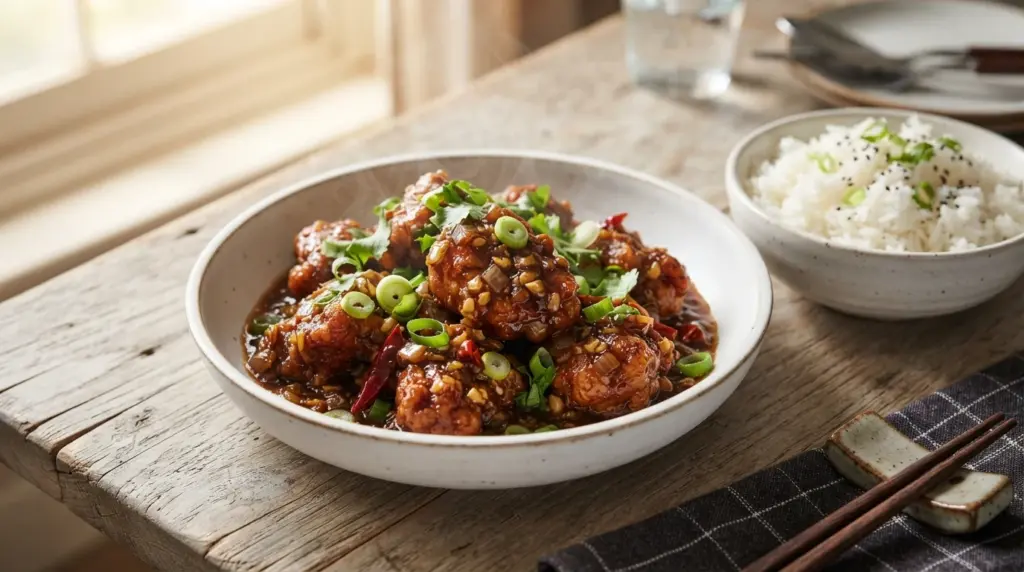
Table of Contents
This post may contain affiliate links. As an Amazon Associate we earn from qualifying purchases.
Chicken Manchurian is crispy fried chicken tossed through a garlicky, tangy-sweet sauce, and you can make it two ways: “dry”, where the sauce clings thick and the whole thing works as a starter with cocktail sticks, or “gravy”, where there’s enough sauce to spoon over rice. Either way it’s ready in well under an hour. I make this with chicken thigh, which stays juicy through the frying and the tossing even as the sauce gets tossed in.
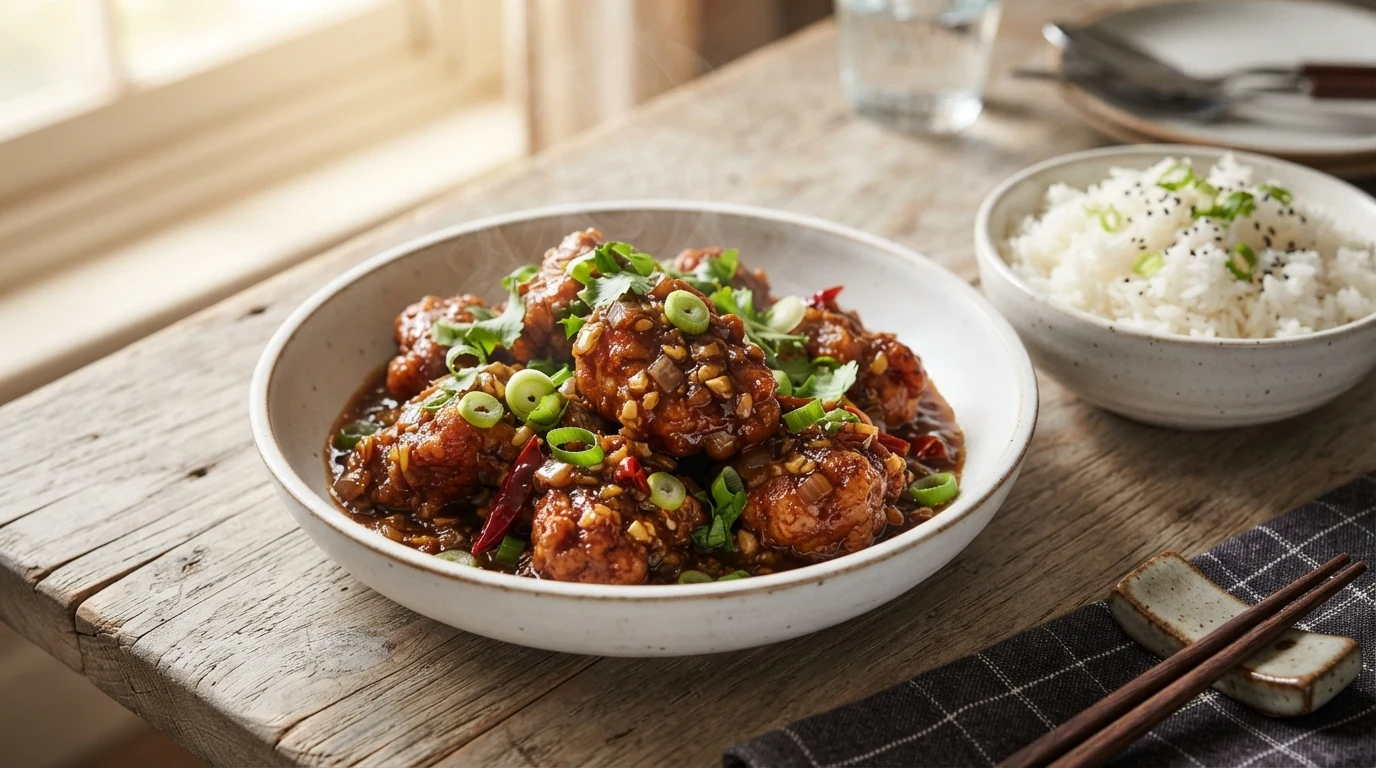
This dish originates from Indian kitchens, shaped by Indian chefs working with Chinese techniques. Bold, saucy, built to be eaten with your hands off a shared plate. This is casual, shared-plate eating at its core.
What is chicken Manchurian?
Chicken Manchurian is an Indo-Chinese dish that grew up in Indian kitchens using Chinese cooking techniques and Chinese-style sauces. The dish belongs to the Indo-Chinese tradition that developed in Indian restaurant kitchens. It’s widely credited to Nelson Wang, a chef of Chinese-Indian heritage, said to have invented it in 1975 at the Cricket Club of India in Mumbai when he improvised with what the kitchen had on hand. That’s the story most often told, repeated on menus and food blogs across India as culinary folklore passed from kitchen to kitchen. Enjoy the dish on its own merits.
The sauce base is unmistakably its own thing. Garlic and ginger fried hard and fast, soy sauce for savoury depth, something tomato-based for sweetness, chilli for heat, vinegar for the tang that cuts through the fried chicken. This combination is built from Asian ingredients and flavours. It tastes completely coherent, and that’s what makes fusion work. When the parts genuinely belong together, the result feels natural and complete.
If you like this style of Chinese-American-restaurant chicken, my General Tso’s chicken follows the same approach. Crisp fried chicken, sauced hard, and just as far from anything you’d eat in China.
Dry or gravy: which one are you making?
Decide this before you shop, because it changes how much sauce you make and how you serve the dish. Chicken Manchurian comes in two standard styles, and mixing them up mid-recipe is how people end up with soggy chicken or a plate that’s dry when it should have been saucy.
Dry Manchurian uses a thick sauce, just enough to coat and cling to each piece, and gets served as a starter or side, often with cocktail sticks, alongside drinks. Gravy (or “wet”) Manchurian thins the same sauce out with extra stock so it pools properly, and gets spooned over steamed rice or noodles as a main course.
| Style | Sauce consistency | How it’s served | Best for |
|---|---|---|---|
| Dry | Thick, clingy, almost none pooling | On its own, starter-style, cocktail sticks optional | Party food, sides, sharing plates |
| Gravy | Thin, pourable, extra stock added | Spooned over rice or noodles | A proper main course dinner |
I reach for dry more often, since I prefer the chicken to stay crisp for longer. Gravy style is the better choice if you’re feeding people who want rice on the side. The shift between them is straightforward. Just add more stock and a touch more cornflour slurry, and you’ll find the exact point to make that change within the method steps below.
If a saucier, spoon-it-over-rice dinner is what you’re actually after, my chicken thigh curry is another Asian-inspired dish built with the same thigh meat, served in a full sauce you can soak rice in.
What you’ll need
Nothing here is unusual, and most of it lives in the everyday aisle. The exception is chilli garlic sauce and dark soy sauce, both of which you’ll find in the world foods aisle of most UK supermarkets, or any Chinese or South Asian grocer, if your usual shop doesn’t stock them.
For the chicken and coating:
- 500g boneless chicken thighs, cut into bite-sized pieces (breast works too, see the tips section)
- 1 tbsp soy sauce
- 1 tbsp ginger-garlic paste
- 1 egg white
- 3 tbsp cornflour, plus more for the dry coating
- 2 tbsp plain flour
- Vegetable oil, for deep-frying
For the sauce:
- 3 tbsp vegetable oil
- 5-6 cloves garlic, finely chopped
- 1 tbsp ginger, finely chopped
- 3-4 spring onions, whites and greens separated, sliced
- 2 tbsp soy sauce
- 1 tbsp dark soy sauce
- 2 tbsp chilli garlic sauce (adjust to taste)
- 2 tbsp tomato ketchup, or 1 tbsp tomato purée
- 1 tsp rice vinegar
- 200-400ml chicken stock (200ml for dry, up to 400ml for gravy)
- 1-2 tbsp cornflour mixed with cold water, to thicken
Aromatics and garnish:
- 1-2 green chillies, sliced
- Reserved spring onion greens, to finish
How to make chicken Manchurian
1. Marinate the chicken. Toss the chicken pieces with soy sauce and ginger-garlic paste. Leave for 15-20 minutes at room temperature while you prep everything else; you don’t need longer than that, the pieces are small and it doesn’t need to tenderise anything.
2. Coat. Beat the egg white lightly and mix it through the marinated chicken. Add the cornflour and plain flour, and toss until every piece has a dry, slightly clumpy coating. This is what turns crisp and golden in the fryer.
3. Fry. Heat oil to 180°C in a wok or deep pan. Fry the chicken in batches; a crowded pan drops the oil temperature and produces soggy, greasy pieces. Work in small batches to maintain heat and crispness. Around 4-5 minutes a batch gets you golden, cooked-through chicken. Drain on kitchen paper.
4. Build the sauce. In a clean wok, heat the 3 tbsp oil until shimmering. Add the garlic, ginger, and the white parts of the spring onion, and stir-fry hard for 30-40 seconds, just until fragrant and lightly coloured. Add the soy sauce, dark soy sauce, chilli garlic sauce, ketchup or purée, and vinegar, and stir to combine.
5. Add stock and choose your style. Pour in the stock now. For dry Manchurian, use closer to 200ml; for gravy, go up to 400ml. Bring to a simmer.
6. Thicken. Stir the cornflour slurry again before adding it (it settles fast) and pour it into the simmering sauce a little at a time, stirring, until it reaches the right consistency. For dry Manchurian, you want thick and glossy; for gravy, looser and pourable. You may not need all of it.
7. Toss and serve. Add the fried chicken back into the sauce and toss quickly for just 30-60 seconds. This coats every piece while keeping the crust crisp and preventing it from softening in the sauce. Scatter over the green chillies and reserved spring onion greens, and get it to the table straight away.
If you’re making the gravy version, it’s the sauce quantity and thickness that change; the frying and coating steps stay identical.
Is my chicken cooked through? (safety)
Chicken is safe to eat once it reaches 165°F (74°C) at its thickest point, checked with a food thermometer, per USDA/FSIS guidance. This temperature is the only reliable measure. Colour, texture, and time-based guesses are unreliable.
Because Manchurian chicken is diced small and deep-fried, visual doneness is genuinely unreliable. A piece can look opaque and golden on the outside well before the centre has actually hit temperature, and conversely, deep-fried food browns fast enough that you can be fooled the other way too. Cut into the thickest piece of your batch, or better, keep a probe thermometer by the fryer and check a piece from each batch. It takes ten seconds and it’s the difference between a good dinner and a bad night.
Tips for the best chicken Manchurian
Use thigh, not breast, if you have the choice. I’ve made this both ways more than once, and thigh stays juicy through the frying and the final toss in hot sauce, holding up to that handling with ease. Breast works fine too if you prefer it; just watch the fry time more closely since it tends to dry out faster in the pan. For extra crunch, try double-frying. Fry the chicken once until pale gold and just cooked, rest it for five minutes, then fry it again briefly at a slightly higher heat until deep golden. This is purely a texture technique—the chicken is already safely cooked through after the first fry. The second fry does make a genuine difference to how long the crust holds up once it’s tossed in sauce.
Don’t overcrowd the pan. Fry in small batches to maintain oil temperature and achieve golden, crispy results with every batch.
Thigh is my go-to across most of my chicken recipes on this site. My Chinese-style chicken thighs builds on the same principle if you want to see the case made in full.
Toss briefly. Once the fried chicken hits the sauce, thirty seconds to a minute is plenty. Any longer and the coating starts softening and loses the crispness you worked to build.
Substitutions and variations
Chicken breast. This works fine if that’s what’s in your fridge, though you’ll need to watch the fry time closely. Breast dries out faster when it’s overcooked.
Gobi Manchurian (cauliflower) is the meat-free version. Swap the chicken for cauliflower florets, batter and fry them the same way, and toss through the identical sauce. The florets get just as crispy as chicken, and it’s a common enough dish in its own right that most Indian restaurants carry both versions on the menu.
Turn the heat up or down by adjusting the chilli garlic sauce and green chillies. Halve both if you’re cooking for people who don’t like it hot, or add a chopped fresh red chilli into the sauce itself for extra heat.
No ketchup in the cupboard? Use tomato purée instead, thinned with a splash of water, and add a small pinch of sugar to make up for the sweetness ketchup would otherwise bring.
What to serve with chicken Manchurian
Plain steamed rice is the simplest partner for gravy-style Manchurian. It soaks up the sauce without competing, and it’s the one I reach for most when serving this dish. Egg fried rice turns it into more of a full plate if you want extra substance, and hakka noodles work well too if rice isn’t what you’re after that evening.
If you’re leaning into the fried-rice route, my Thai Style Sausage Fried Rice works well alongside. The saucy-protein-plus-rice structure carries across both dishes, so the two sets of flavours sit comfortably side by side on the plate. And if you want more chicken thigh recipes beyond this one, creamy sherry and thyme chicken uses the same cut in a completely different, French-leaning direction.
Storing and reheating leftovers
Leftover chicken Manchurian keeps in the fridge for 2-3 days in an airtight container. Keep the chicken and sauce together in storage. The sauce protects the meat from drying out, and it does soften the crust a little by the second day.
Reheat it in a pan over medium heat if you can. Pan reheating keeps the sauce glossy and proper; microwave reheating can make it thin and watery. Heat it until it’s steaming hot all the way through, and if you’re at all unsure, check it hits 165°F (74°C) again with a thermometer before eating, the same rule applies on reheat as it does on first cooking.
For more on this generally, I’ve written up proper leftover storage in more detail, and if it’s specifically the crispy texture you’re trying to save, reheating fried chicken without losing the crunch covers the pan-versus-oven question properly.
My Take on Chicken Manchurian
This is one of those dishes that looks like restaurant food, and once you’ve made it at home you’ll find it breaks down into three separate, simple steps. The keys are keeping your oil hot enough and frying in small batches so the chicken stays crisp throughout. Thigh over breast is the one change I’d genuinely push you towards if you’ve only ever made this with breast before. It’s a small swap that makes the finished dish noticeably better and costs nothing extra to do. Beyond that, the dry-versus-gravy decision comes down to how you’re planning to eat it that night, and it fits your menu and your guests either way.
FAQ
Is chicken Manchurian spicy?
This one is adjustable. The base recipe has a moderate kick from the chilli garlic sauce and fresh green chillies, and you can dial either up or down depending on what you’re cooking for. The heat is warm and tangy by default, sitting at a comfortable, everyday spice level.
What’s the difference between Manchurian and chilli chicken?
They’re close cousins. Chilli chicken leans on chilli and pepper for a sharp, direct heat. Manchurian’s sauce balances sweet, tangy, and savoury together, thanks to the tomato and vinegar combination. Both use the same fried-chicken-plus-sauce structure and belong to the Indo-Chinese tradition that developed in Indian restaurant kitchens.
Can I make it without deep-frying (bake or air-fry)?
Pan-frying with a little oil is the closest lower-fat option and works reasonably well if you’d like to cut back on the oil. Baking or air-frying both produce a softer crust, since neither surrounds the chicken in hot oil the way deep-frying does. Deep-frying is the method that delivers the crispy exterior this dish is built around, and it’s worth doing at least once to see the difference for yourself.
Is chicken Manchurian Indian or Chinese food?
It’s Indian food that uses Chinese cooking techniques and sauces, belonging to the Indo-Chinese tradition that developed in Indian restaurant kitchens. Diners in China wouldn’t recognise it as Chinese food.
Can I use chicken breast instead of thigh?
Yes, and it’s a fine substitute. Just keep an eye on your fry time, since breast overcooks and dries out faster than thigh, and the whole appeal of this dish depends on the chicken staying juicy under all that sauce.
How long does it keep in the fridge?
Two to three days, stored in an airtight container with the sauce and chicken together. Reheat it until steaming hot all the way through before eating.

You might also love
More in Chicken & Poultry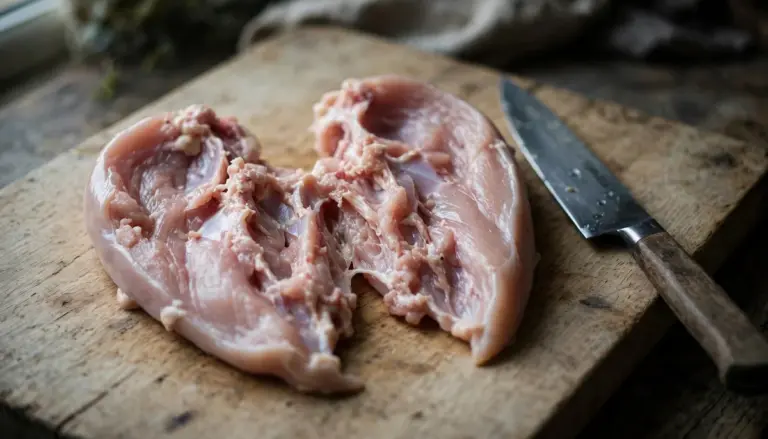
How to Butterfly a Chicken Breast (So It Cooks Evenly, Every Time)
Updated: October 12, 2026 This post may contain affiliate links. As an Amazon Associate we earn from qualifying purchases. Butterflying means cutting…
Read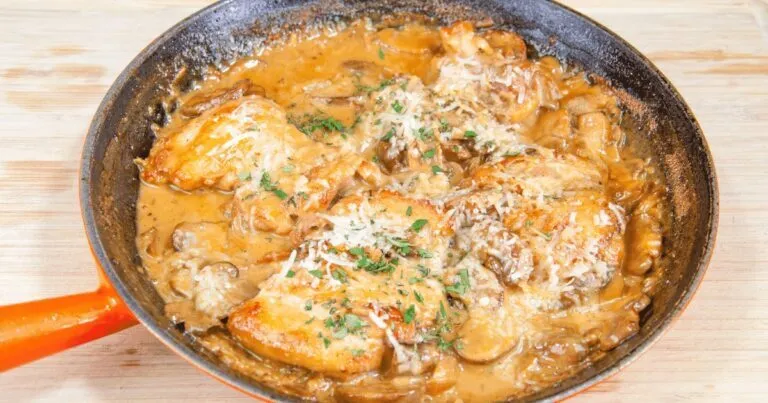
Creamy Sherry and Thyme Chicken Thighs
Updated: July 12, 2026 This post may contain affiliate links. As an Amazon Associate we earn from qualifying purchases. I love these…
Read
Sweet Pepper & Lemon Chicken Cacciatore
Updated: July 12, 2026 This post may contain affiliate links. As an Amazon Associate we earn from qualifying purchases. Today we fancied…
Read
Classical Syrah Coq Au Vin
Updated: July 12, 2026 This post may contain affiliate links. As an Amazon Associate we earn from qualifying purchases. Classical syrah coq…
Read
Chicken and Leek Dauphinoise
Updated: July 12, 2026 This post may contain affiliate links. As an Amazon Associate we earn from qualifying purchases. For you regulars,…
Read
Black Pepper and Garlic Chicken Thigh Curry
Updated: September 29, 2026 This post may contain affiliate links. As an Amazon Associate we earn from qualifying purchases. Every thought of…
Read