
How to Tell if an Avocado is going Bad
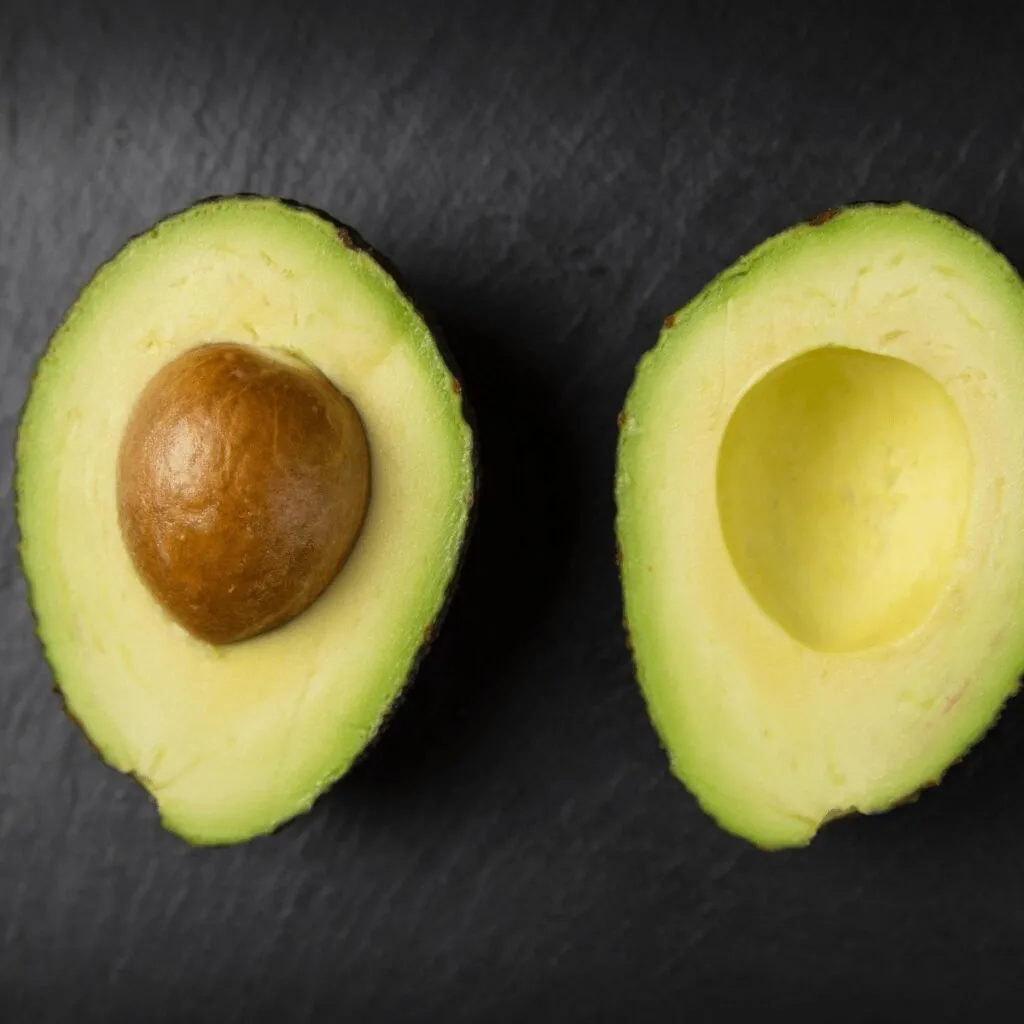
Table of Contents
Avocados are at their best when everything’s in balance: light green flesh inside, and a gentle give when you squeeze, not rock hard, not overly soft either. Picking a good one at the shop isn’t always easy, and working out whether one’s gone off can feel like guesswork. Below, I’ve pulled together the checks that actually matter, how it looks, feels, smells and tastes, so you can tell a ripe avocado from one that’s past it.
Identifying bad avocados

Once an avocado goes mushy and the flesh inside is brown or black right through, that’s it, it’s gone over. Give it a gentle squeeze and you’ll soon know where you stand. Feels really soft in your hand? Then put it back and pick yourself another one. Mind you, soft on its own isn’t the end of the world, and I’ll come to that below.
Look over the shell too. Fuzzy mould on the outside is a warning sign, and so is an unpleasant smell. So is skin that looks nearly black on a fruit that feels mushy.
These fruits turn mushy quickly. Once they’re ripe, you’ve only got a narrow window, generally a few days, before they start to spoil.
So how do you tell a good avocado from a bad one? Simple. Run through these checklists and they’ll help you decide whether an avocado is fresh or bad.
Avocados should not appear shriveled on the outside
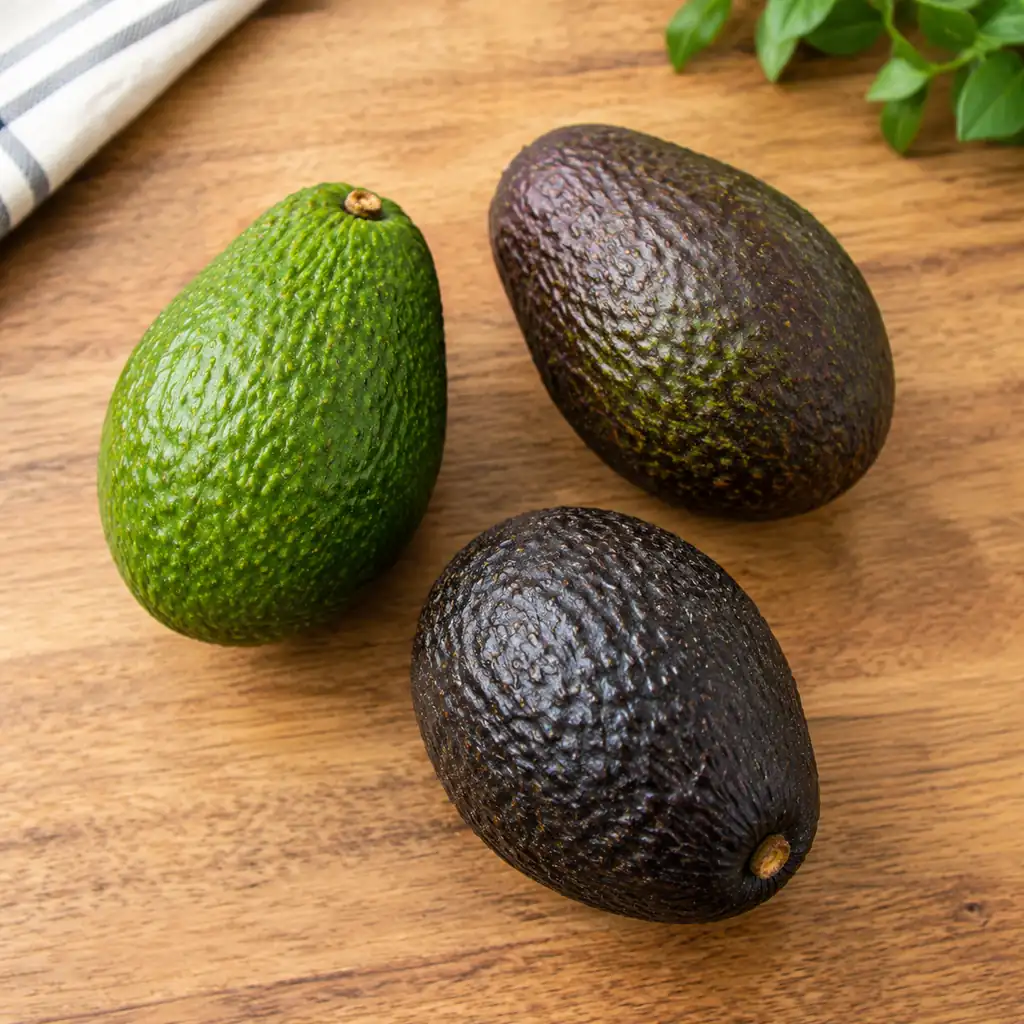
Right, let’s start on the outside. If the skin looks dry and shriveled up, then it’s best to pick a different one.
Ideally, you want avocados that are round and bumpy. Not flat and withered. So take a good look before you pick one. Make sure the surface looks nicely ripe, then go ahead and make your choice of avocado.
A fair few in the shop will be far too firm to eat straight away, and that’s fine, just give them a few days on the side to ripen. What you don’t want is one that’s already squishy and soft before it’s even left the shop. Leave those well alone.
You can also use an avocado you’ve already got in. If you’ve had it a long time it may begin to collapse. That’s not a good sign, so cut it open and check the inside before you decide.
Before you throw out that questionable avocado, hold on a moment. Follow these steps if you want to be sure.
The Avocado should not be too soft to the touch or mushy
Pick up an avocado and there’s one thing you can be sure of. If it looks a bit dodgy, it shouldn’t be mushy. Nope. What you’re after is a fruit that gives a little to the touch, yet still feels slightly firm. Simple as that.
Give it a gentle poke with your finger. If it sinks straight through without any effort at all, that fruit is overripe. Now that’s not the whole story, mind. There are other ways to check it hasn’t actually spoiled, and being soft doesn’t automatically mean it’s gone off.
Now then, if you happen to cut into an avocado and the knife slides through it with no resistance at all, that’s a warning sign. Too soft means far too ripe, I’m afraid. Don’t judge it on softness alone, though. An overly soft avocado that’s still fine inside is safe to eat, so check the smell and the flesh before you decide.
A fresh avocado should not have a bad smell
Only the rotten ones land in this camp. You generally can’t smell an avocado, especially one that hasn’t been cut open.
Now, if an avocado at the shop gives off an awful odour, leave it alone and choose another one.
The same goes for one you’ve already got at home. Catch a sour smell or spot fuzzy mould on the skin, and the whole avocado needs to go in the bin, there’s no salvaging the rest of it. A mouldy or sour-smelling avocado really can make you unwell, so it’s not a risk worth taking.
Cut the Avocado open; it should be creamy but firm
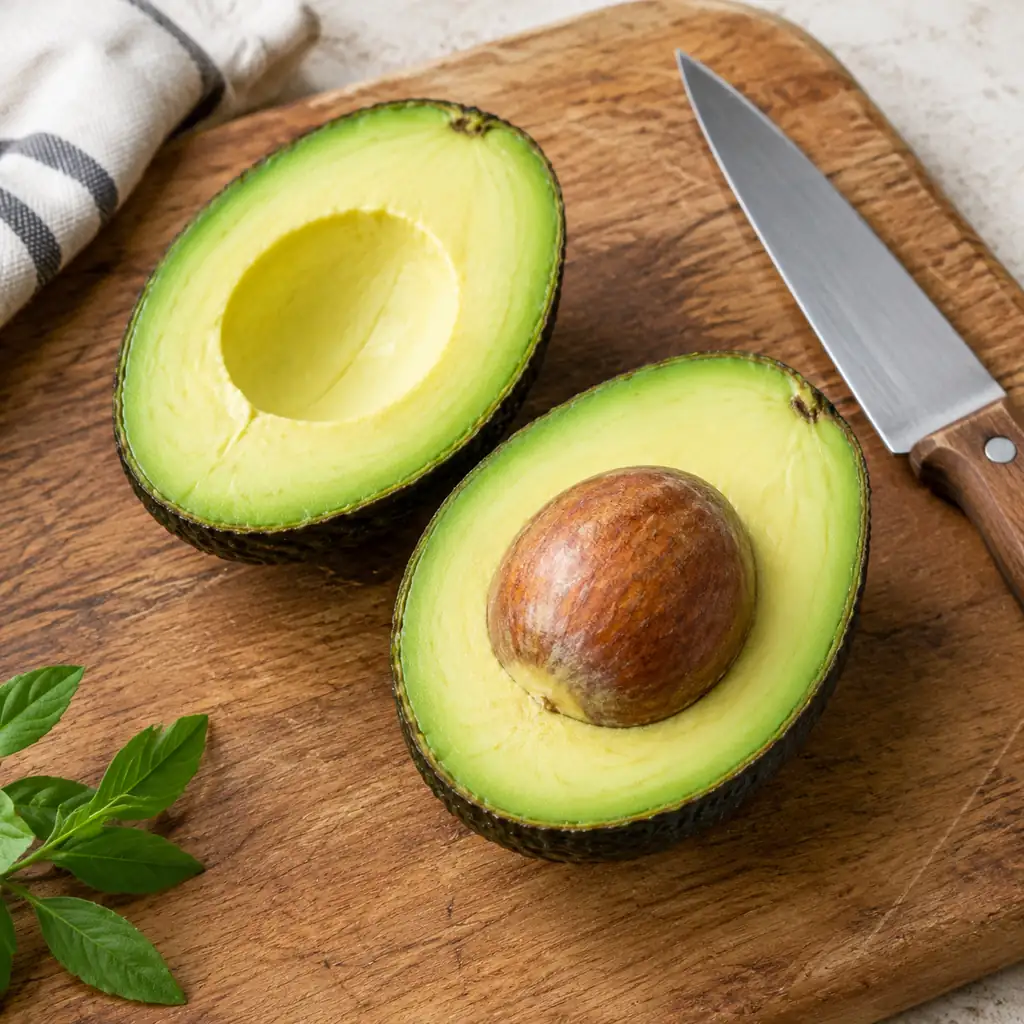
So you’ve bought an avocado and kept it around for a few days. Then you cut it open — and here’s the thing, your knife shouldn’t rip straight through it.
Avocados should be soft enough to stop your knife sticking on the inside or finding it impossible to cut through. They shouldn’t be so soft, though, that the knife makes them explode out of their shell.
If you’re about to slice an avocado and the knife just smooshes straight through it, take a sniff and look at the colour before you decide. Mushy on its own isn’t spoiled.
If you still want to rescue that Avocado of yours, then stick with me and follow the next few steps. Keep reading!
There needs to be a yellowish tint to the green
You can tell if your avocado is getting old by the colour of the flesh when you cut it open. Ripe flesh is light green. A rotten one has brown or black spots right through it. But a single brown spot is often just a bruise, and you can cut it away. If the rest looks, smells and tastes fine, you can eat it. Not sure? Have a look at Healthline’s guide to spotting a bad avocado.
But if you cut that avocado open and it’s brown or black inside, it’s mushy and it smells sour, then bin it.
If the Avocado is green when you cut it open but goes brown afterwards, well, that’s another story. Oxygen does the damage, and cut avocado will turn brown once it’s been out for a while, much like an apple. It may look off-putting, but if you find it unappetising, just skim off the brown layer and eat the rest.
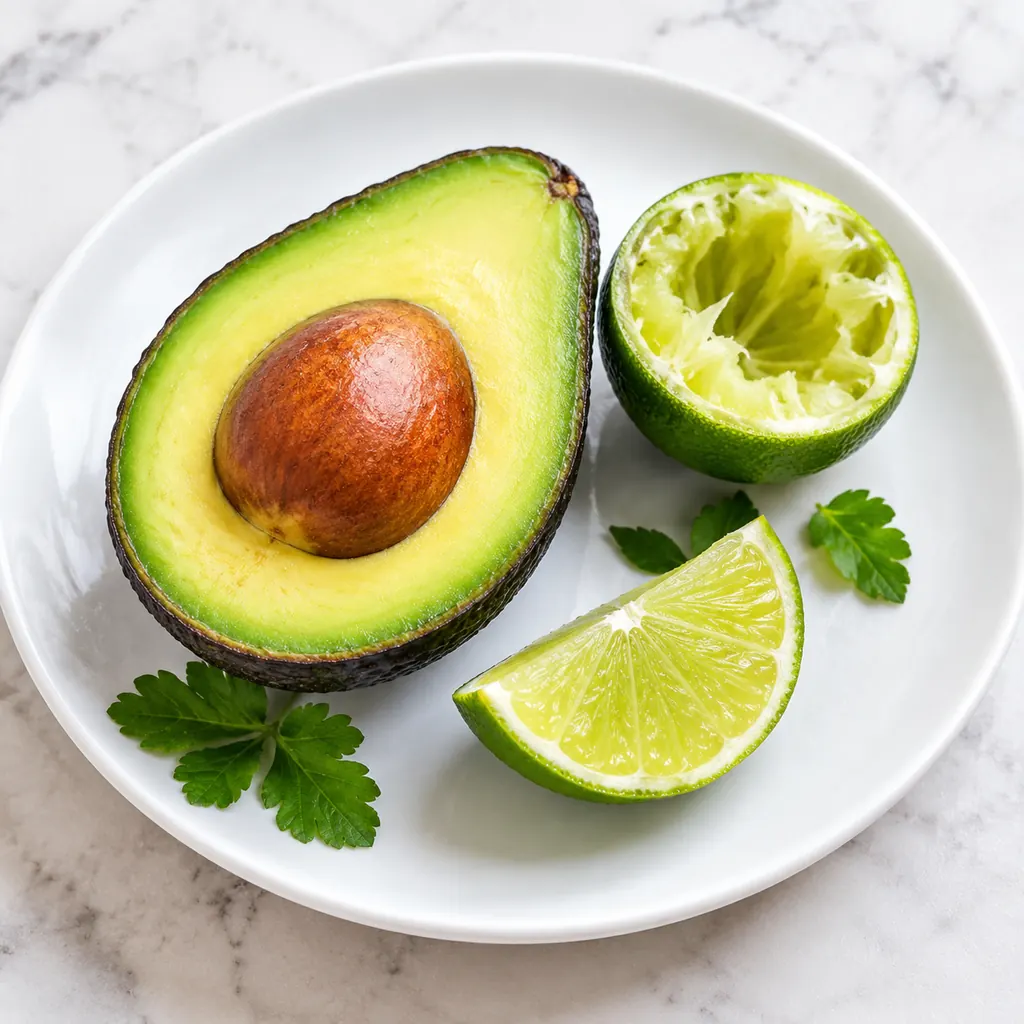
A great idea is to brush some lemon or lime juice on the cut flesh and keep it in a sealed container in the fridge. That helps keep the browning down, so it stays greener for longer.
The taste should be mild
This one applies to avocados that are already part of a dish. You might not realise an avocado has gone off until you’ve taken a bite. Not ideal!
A ripe avocado tastes mild and a little nutty. So after a nibble, if you get a sour taste or a chemical edge, stop eating it. Sour can mean bacterial spoilage, and a chemical taste can mean the fats have gone rancid. Bin the rest.
How to Tell If an Avocado Is Going Bad: FAQ
Is it still safe to eat an avocado with a brown spot inside?
Usually, yes. A single brown spot is often just a bruise. Cut that bit away. So long as the rest of the flesh looks, smells and tastes fine, tuck in. What you do want to bin is flesh that’s brown or black right through, mushy, and smelling sour.
Why does my avocado turn brown after I’ve cut it?
That’s oxygen at work, not spoilage. Cut avocado darkens the same way a sliced apple does once it’s been out for a while. Skim off the discoloured bit and eat what’s underneath. Next time, brush the cut side with lemon or lime juice, then keep it in a sealed container in the fridge. That helps keep the browning down.
Is a soft avocado always bad?
Not necessarily. One that’s gone a bit too soft can still be fine inside. Softness on its own doesn’t mean spoiled. Check the smell and the flesh before writing it off. The real warning signs are flesh that’s mushy and brown or black right through, or a smell that’s clearly off.
How do I know if an avocado has gone off by smell?
You generally can’t smell an avocado at all while it’s uncut. So an awful odour at the shop is reason enough to leave it and choose another one. Once you’re home, a sour smell or fuzzy mould on the skin means the whole fruit goes in the bin. Don’t try to rescue part of it.
What does it mean if an avocado tastes bitter or sour?
A ripe one should taste mild, with a slightly nutty note. A sour flavour can mean bacterial spoilage. A chemical edge can mean the fats have gone rancid. Either way, stop eating it there and then and bin what’s left.

You might also love
More in Kitchen Tips & How-To
How To Recognize Authentic Vegan-friendly Products?
Updated: July 12, 2026 Recognize Authentic Vegan-friendly Products Vegans are living their best life as more and more manufacturers notice and respond…
Read
How To Reheat Fried Chicken To Make It Tasty
Updated: July 12, 2026 There are nothing more gratifying than extra-tender, beautifully crispy chicken wings? Crispy chicken is often a delight. Either…
Read
Cooking With Wine: Expert Advice on How to Do It Right
Updated: July 12, 2026 Wine is a versatile product that can be used for both drinking and cooking. It can bring together…
Read
Top 5 Benefits of Meal Prepping
Updated: July 12, 2026 Having a meal at home instead of eating out or ordering has become quite a challenge these days.…
Read
10 Underrated Food Trends To Look Out For in 2022
Updated: July 12, 2026 Food is an essential part of our lives. Each of us wants to have good food at the…
Read
Top 5 Delicious Recipes to Try While Maintaining a Keto Diet
Updated: July 12, 2026 There are several food diets to choose from nowadays, but the ketogenic diet is the most popular. It…
Read