
Watermelon Tuna Tartar
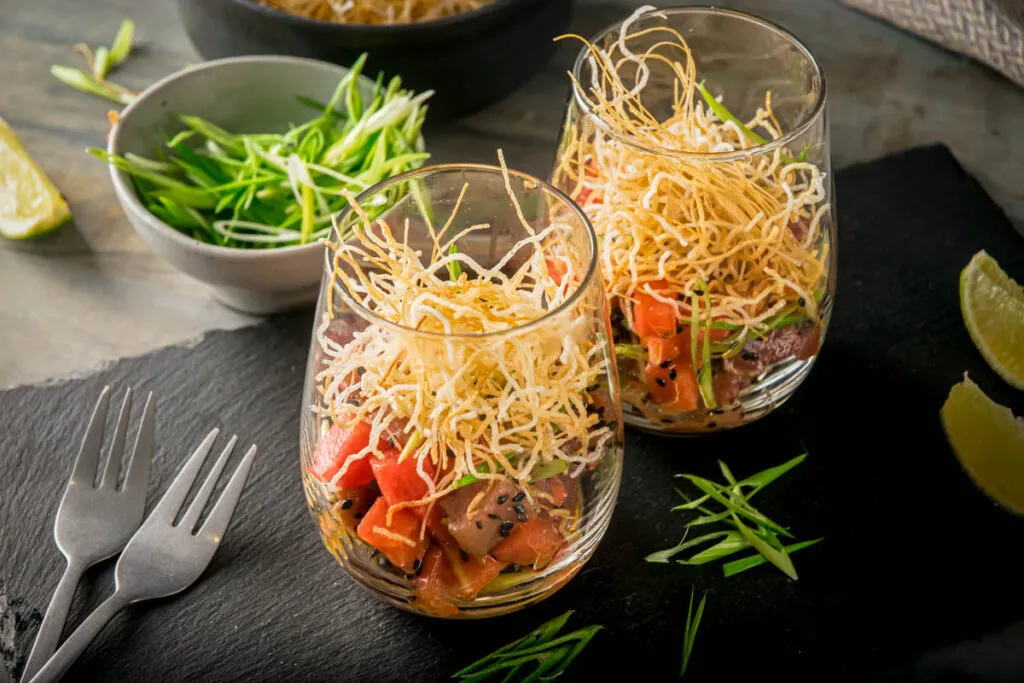
Table of Contents
Right, my Foodie Friends, this one’s a bit of a show-off dish, and it earns the right to be. Raw tuna, cold watermelon, a sharp ginger-soy dressing and a scatter of crisp fried noodles on top. Sweet, salty and crunchy, all in one spoonful. No oven, no fuss, and it’s done in half an hour. Save it for a hot Saturday when standing over a stove is the last thing you fancy. C’mon, let’s get into it.
The Yum Yum Club · Kitchen Tested Recipe
Watermelon Tuna Tartar
Prep: 15 mins · Cook: 15 mins · Total: 30 mins
Ingredients
4 servingsNutrition Facts
Per Serving: 1 serving
Nutrition values are estimates calculated per serving from the ingredient list.
Instructions
-
1
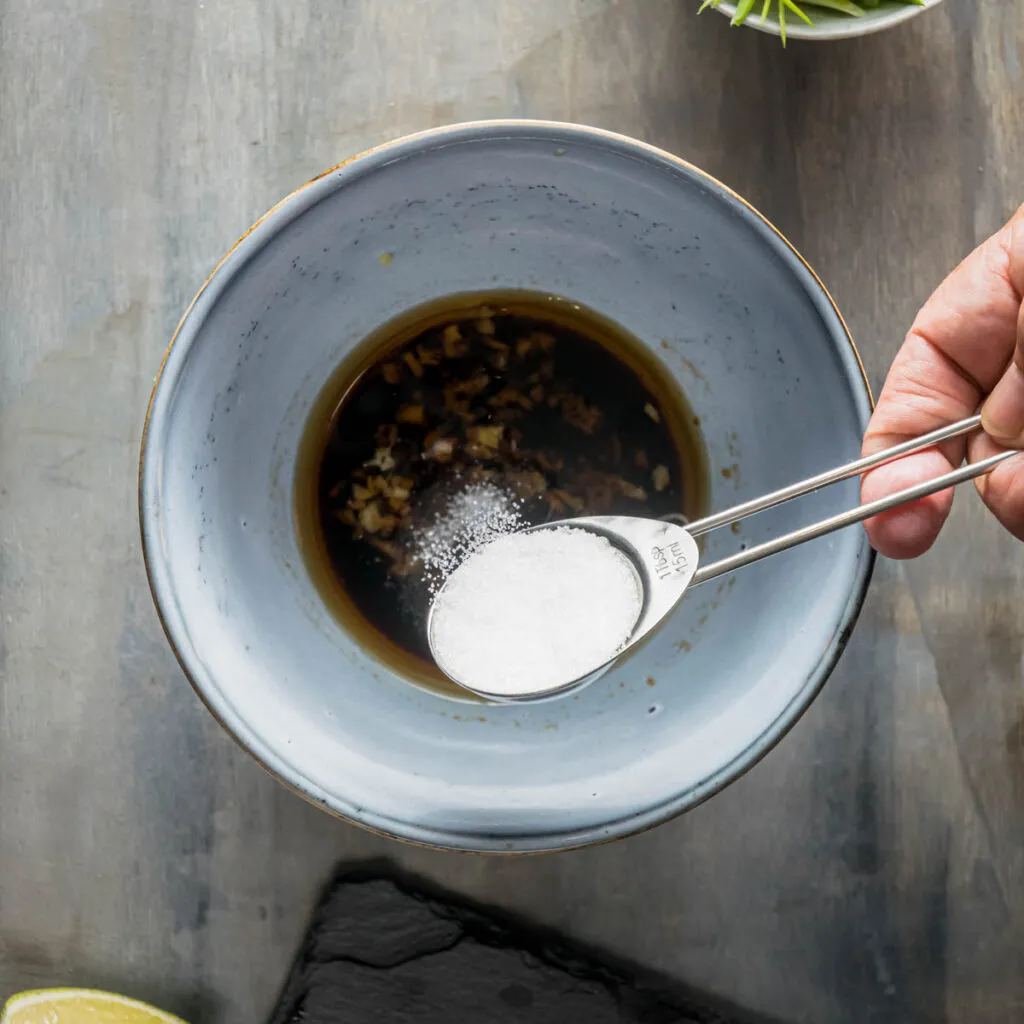
Place chopped ginger, sesame oil, soy sauce, and sugar in a small bowl.
-
2
Mix until fully combined.

-
3
Cut tuna in cubes.

-
4
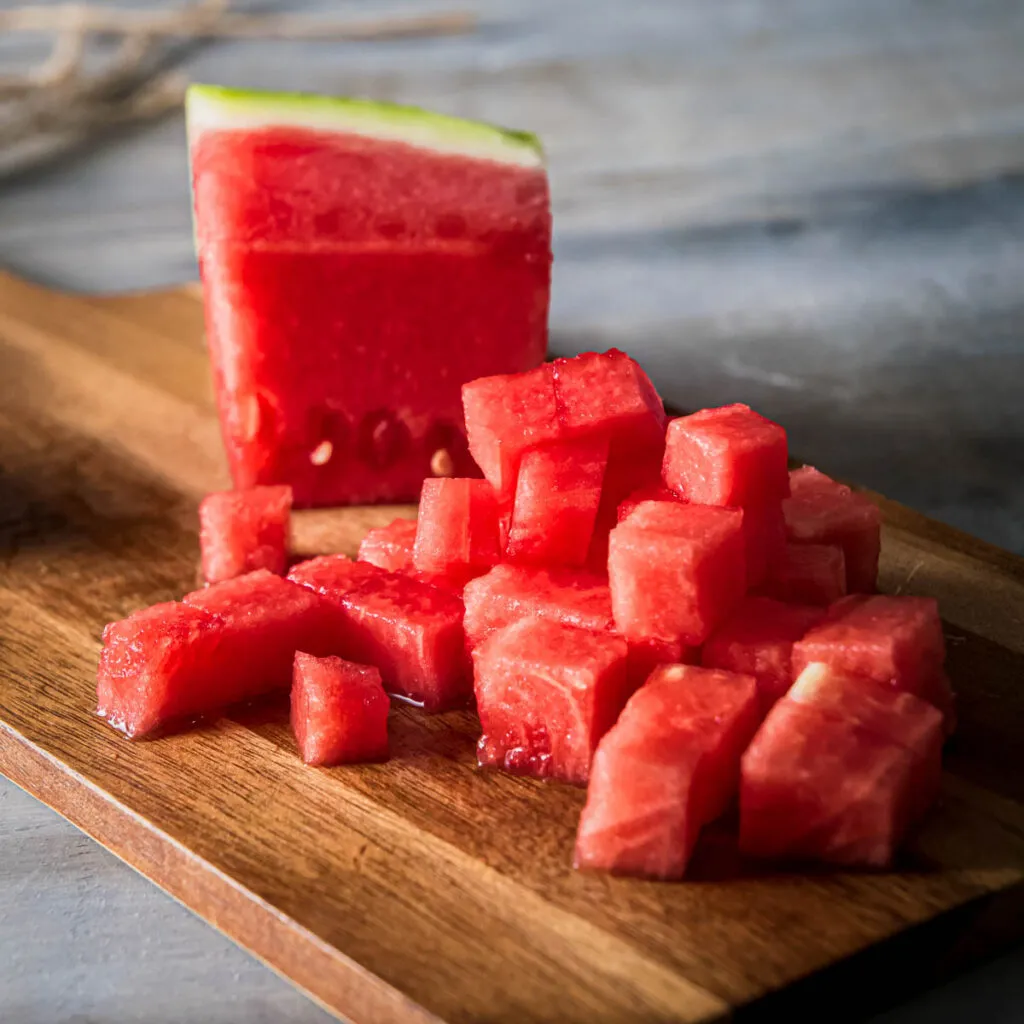
Cut watermelon in cubes.
-
5
Heat the oil in a small pot and fry the rice noodles until crispy. Remove from the oil and drain. Set aside.

-
6
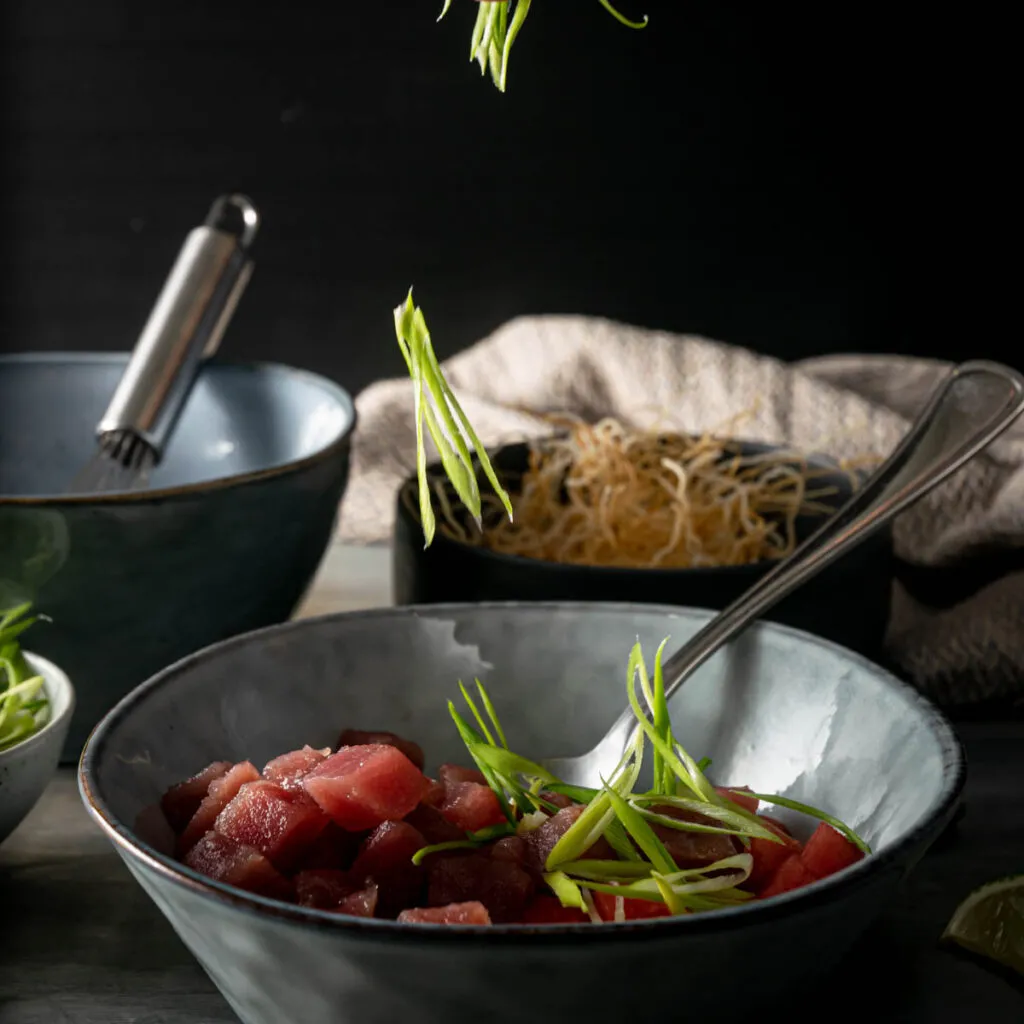
In a bowl, combine tuna and watermelon. Add green onions.
-
7
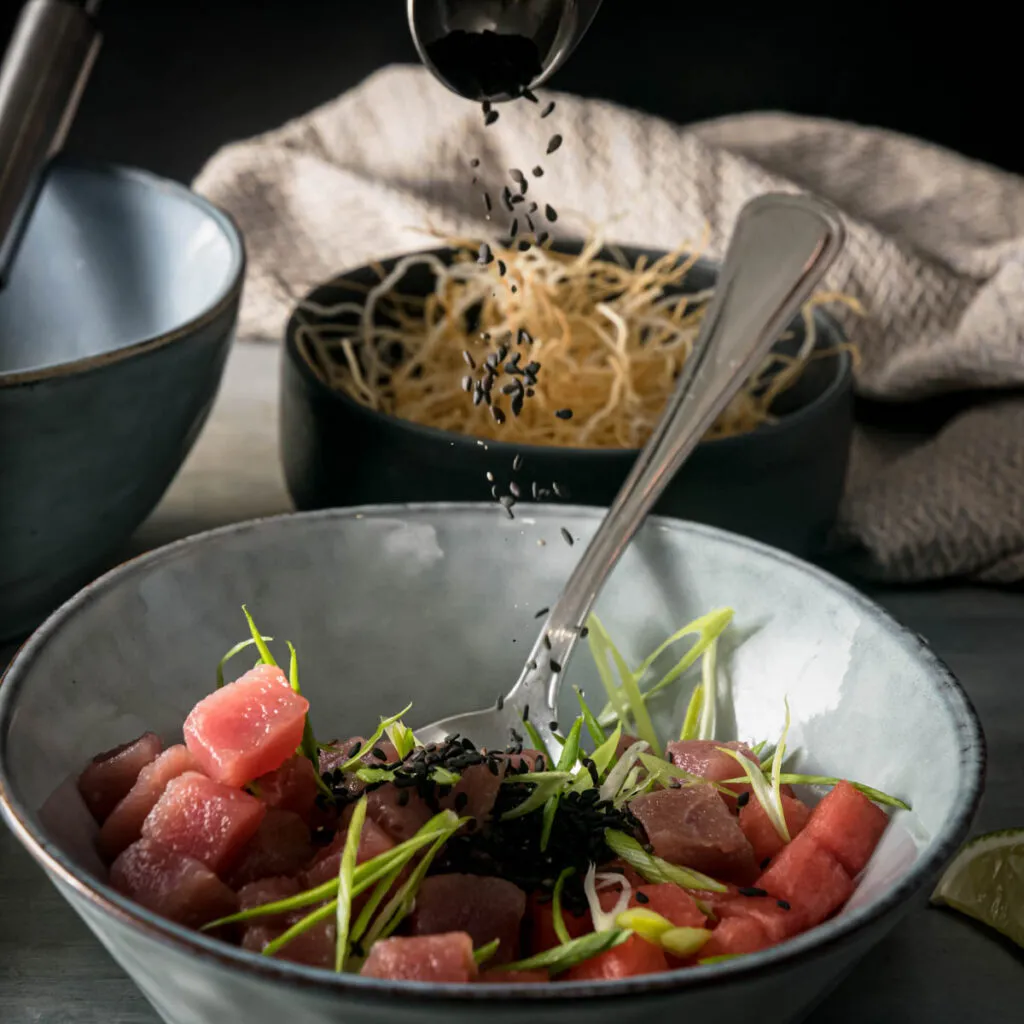
Add sesame seeds.
-
8
Pour in the sauce and mix until well combined.

-
9
Serve tuna tartar in cups and top with the fried noodles.

Kitchen Notes & Tips
- Use the freshest sashimi-grade tuna you can get — it is served completely raw, so quality matters more than any seasoning.
- Cube the tuna and watermelon to roughly the same size, so every spoonful gets both.
- Fry the rice noodles in small batches and drain them well; crowding the pot cools the oil and leaves them chewy instead of crisp.
- Mix the ginger-soy dressing first and let it sit while you cube the tuna and watermelon — a few minutes helps the flavours settle.
- This one does not keep: the watermelon releases juice into the dressing once mixed, so serve it soon after assembling.
Why This One Works
Tartar usually means meat, chopped fine and dressed simply. Here it’s tuna, and the trick is putting it next to watermelon rather than another savoury ingredient. I know, watermelon and raw fish sounds a bit mad on paper. The fruit is cold, sweet and full of juice. The tuna is clean and savoury. The ginger-soy dressing ties the two together with a bit of bite.
Then the fried rice noodles go on top for crunch, so every spoonful has soft, cold, and crisp all at once. Stick with it. It makes complete sense the first time you taste it.
Getting The Tuna And Watermelon Right
This dish is served raw, so the tuna does all the talking. Buy the freshest piece you can find and ask your fishmonger for sashimi-grade if you’re at all unsure. You want red tuna, cut into neat, even cubes rather than hacked into rough chunks. Keep it cold right up until you’re ready to mix the dish; it shouldn’t sit out on the side while you finish everything else.
Watermelon gets the same treatment. Cube it to roughly match the tuna in size, so you get a bit of both in every bite rather than one dominating. Pick a piece that’s properly ripe and sweet; a bland watermelon won’t bring enough contrast against the savoury tuna and dressing.
The Ginger-Soy Dressing
The dressing is short and sharp. Chopped ginger, sesame oil, soy sauce and a little sugar, stirred together in a small bowl until fully combined. That’s genuinely all it needs. The ginger brings heat, the sesame oil brings a toasted, nutty note, the soy sauce brings the salt, and the sugar rounds the edges off so it isn’t sharp on its own.
Mix it first and let it sit on the side while you cube the tuna and watermelon, so it’s ready to go the moment everything else is.
Frying The Rice Noodles For Crunch
Right, this bit matters more than it looks. The crispy noodles on top aren’t a garnish you could skip; they’re half the reason this dish works. Heat the oil in a small pot and fry the rice noodles until they’re properly crisp, then lift them out and drain them well before they go anywhere near the tartar.
Two things trip people up here:
- Fry in small batches, not the whole lot at once. Crowd the pot and the oil temperature drops, and you end up with noodles that are pale and a bit chewy instead of light and crackly.
- Drain them properly. Oil clinging to the noodles goes straight into the dish and makes it heavier than it should be.
Bringing It Together
Once the tuna and watermelon are cubed, the dressing’s made and the noodles are crisp and drained, the rest is quick. Combine the tuna and watermelon in a bowl, add the green onions, then the sesame seeds, then pour over the dressing and mix until everything’s well coated. Don’t overwork it; you’re coating the cubes, not mashing them into a paste. The tuna should still look like cubes of tuna, not a purée, when you’re done.
Serving And Storing
This isn’t a dish most of us grew up eating in Britain, but it’s every bit as quick as the stuff that is. Spoon the tartar into small cups and top each one with the fried rice noodles right before serving, so they stay crisp instead of going soft in the dressing. It’s four servings, around 370 calories each, with a fair bit of protein and fat alongside the carbs from the noodles and sugar. This isn’t a dish that keeps. The watermelon starts releasing its juice into the dressing once everything’s mixed, so serve it soon after you’ve put it together rather than making it well ahead and leaving it to sit.
The Bottom Line
It looks like something off a restaurant menu, but it’s ten ingredients, no cooking beyond frying a handful of noodles, and half an hour from board to table. Keep the tuna cold, cube everything evenly, fry the noodles in batches, and serve it the moment it’s assembled. That’s the whole trick. Yum! As always, thanks for reading, and until next time… Steve.
Do I need sashimi-grade tuna for this?
Yes. The tuna is served completely raw in this recipe, so use the freshest, highest-quality red tuna you can get, and ask your fishmonger for sashimi-grade if you’re not certain what you’re buying is suitable to eat raw.
Can I make any of this ahead of time?
The ginger-soy dressing can be mixed and left to sit on the side while you prep everything else. The tuna, watermelon and noodles are best cut, fried and combined close to serving, since the dish doesn’t keep well once it’s assembled.
How long will the finished tartar keep?
Not long, and it’s not really meant to. Once the tuna, watermelon and dressing are mixed, the watermelon starts giving off juice. Serve it soon after mixing rather than making it well in advance.
What can I swap the rice noodles for?
If you don’t want to fry noodles, you could leave the topping off and serve the tartar on its own, though you’ll lose the crunch that plays against the soft tuna and watermelon. The recipe as written relies on the fried noodles for that contrast.
How many does this serve, and what’s it good for?
This recipe makes four servings at around 370 calories each. It’s a snack, good for a hot day when you want something cold and light rather than a heavy plate of food.

You might also love
More in Appetizers & Dips
Doritos with Cheesy Pulled Pork
Updated: November 7, 2026 OK my faithful food followers, this Doritos with cheesy pulled pork recipe is not my healthiest recipe. Nor…
Read
Homemade Pesto
Updated: July 12, 2026 Homemade pesto is so simple to make and wonderfully delicious. The taste of Italy right in your own…
Read
Christmas Parsnip Canapes
Updated: July 12, 2026 Well, it’s almost that time of year…sleigh bells and reindeer, turkey and stuffing, parsnips and sprouts. Yep, Christmas…
Read
Pork, Duck, Cranberry and Pistachio Terrine
Updated: November 7, 2026 You know what my fine food friends, I’ve been wanting to make this pork, duck, cranberry and pistachio…
Read
10 Halloween Themed Foods That Will Spook Your Guests!
Updated: July 12, 2026 Looking for some spooky food ideas to make your Halloween party a hit? Look no further! We’ve compiled…
Read
Chunky Guacamole
Updated: July 12, 2026 Hi Yum Yum Fans! I hope all is well and you’re having a great day… For today I’ve…
Read