
How to Clean and Debeard Mussels (The Safe, Simple Method)
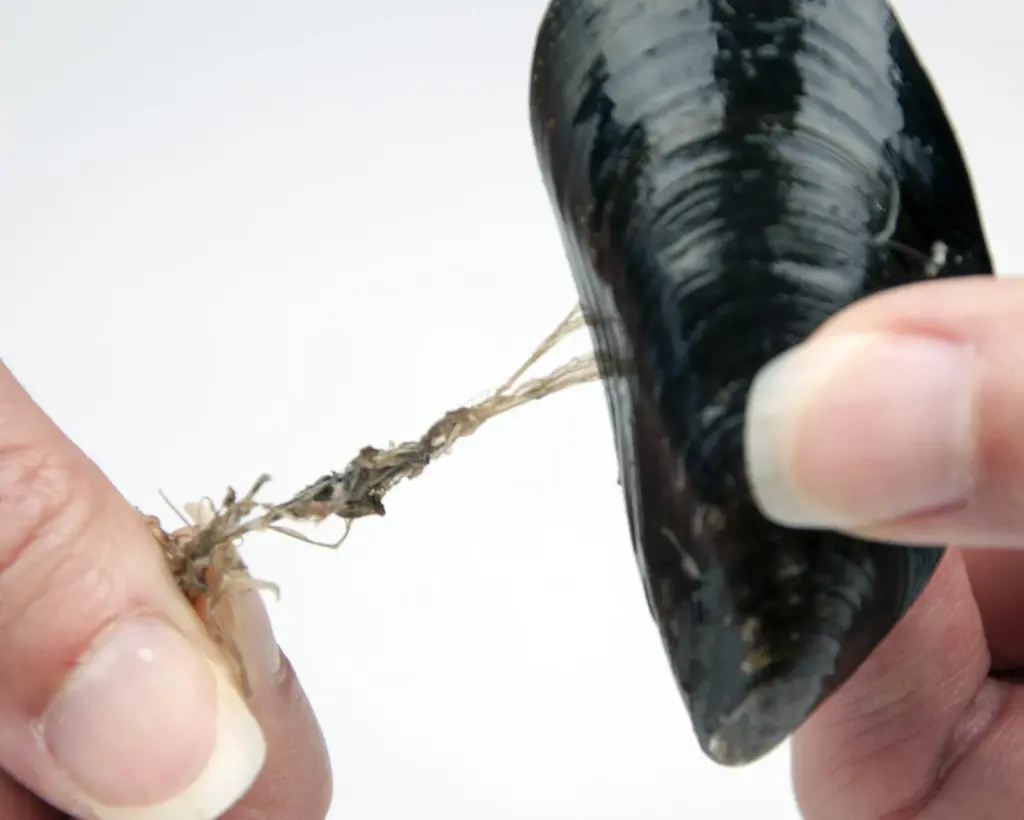
Table of Contents
If you have ever cooked mussels at home and felt slightly anxious about the preparation — whether they are safe, whether you are doing it right — this post is for you. I have cooked mussels dozens of times, and the cleaning and debearding process is genuinely simple once you have done it once. Three steps: wash, debeard, discard the dead ones. The whole process for 1 kg of mussels takes about 10 to 15 minutes.
Get this right and you can cook anything from a classic moules mariniere to a rich cream-based mussel broth with complete confidence.
Updated June 2026 — by Steve Deacon
Why does mussel preparation matter?
Mussels are live animals right up until you cook them. Dead mussels that have been sitting open for any length of time can harbour bacteria and will make you ill. The preparation process is how you identify and remove any that have died before cooking. It is not complicated — the dead ones give themselves away very obviously — but you do need to know what to look for.
The other reason to prepare mussels properly is texture and flavour. Grit, broken shell fragments, and the beard (the fibrous threads the mussel uses to anchor itself to rocks) all affect eating quality. A properly cleaned mussel is sweet, plump, and completely clean in the mouth. A poorly prepared one can be gritty and stringy.
How do you clean mussels before cooking?
Fill a large bowl or your kitchen sink with cold water and tip the mussels in. Scrub each mussel under running cold water using a stiff brush or the back of a small knife to remove any barnacles, sand, or debris from the shell. I do this whilst simultaneously checking the beard and testing whether each mussel is alive — it all happens at once once you get into a rhythm.
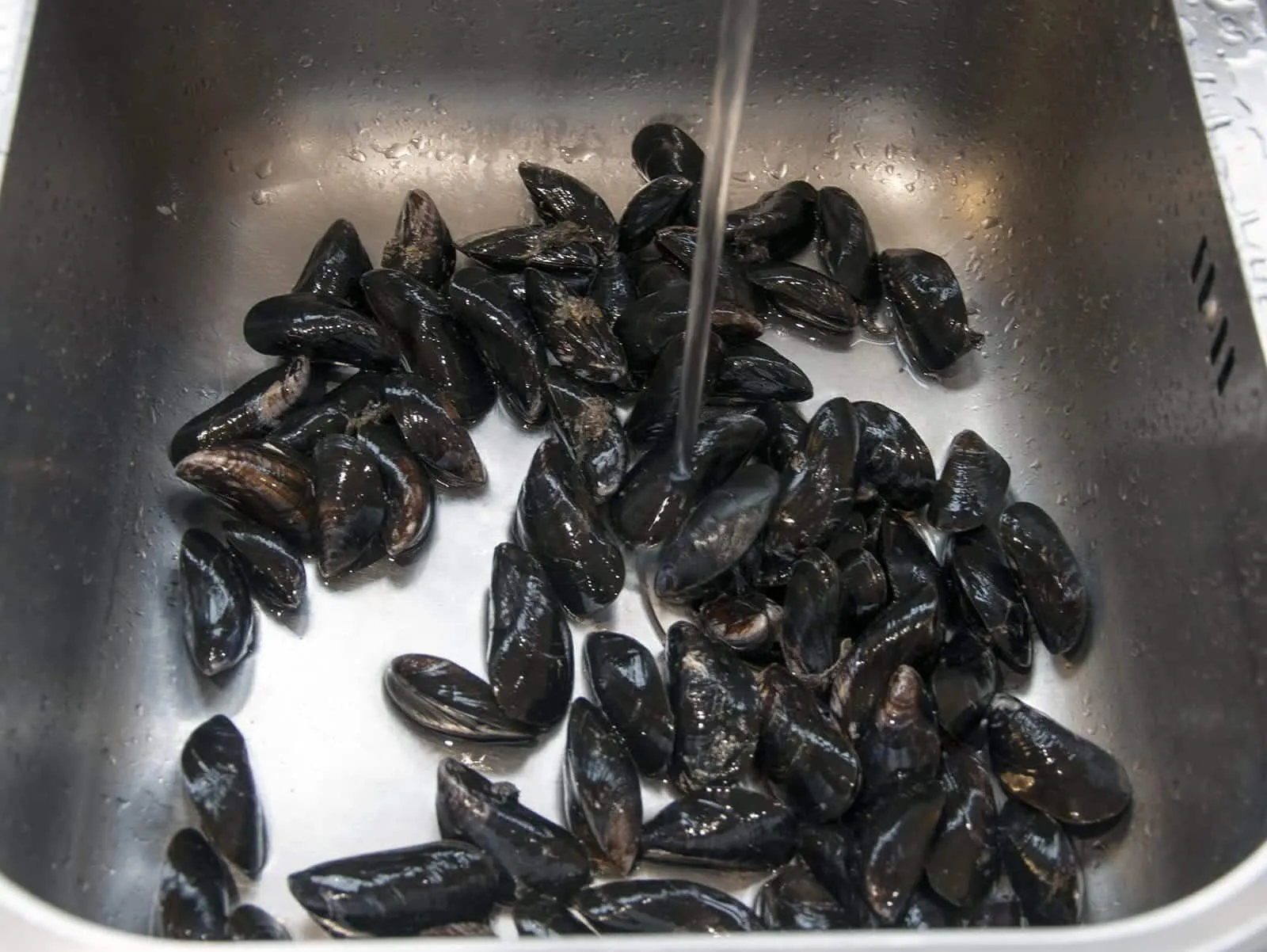
One important point: mussels die in fresh water over time. Do not soak them in a bowl of water and leave them for an hour. Wash them under running cold water and cook them the same day you prepare them. Buying them fresh on the day you plan to cook is ideal — I order mine from a fishmonger who sources from Cornwall and delivers within 48 hours, and the quality is noticeably better than supermarket bags that have been sitting for days.
How do you debeard a mussel?
The beard is the cluster of dark, fibrous threads protruding from between the two shells. It is what the mussel uses to attach itself to rocks or ropes when it is growing. Not every mussel will have a visible beard — farmed mussels are often trimmed before sale — but wild or partially trimmed ones will.
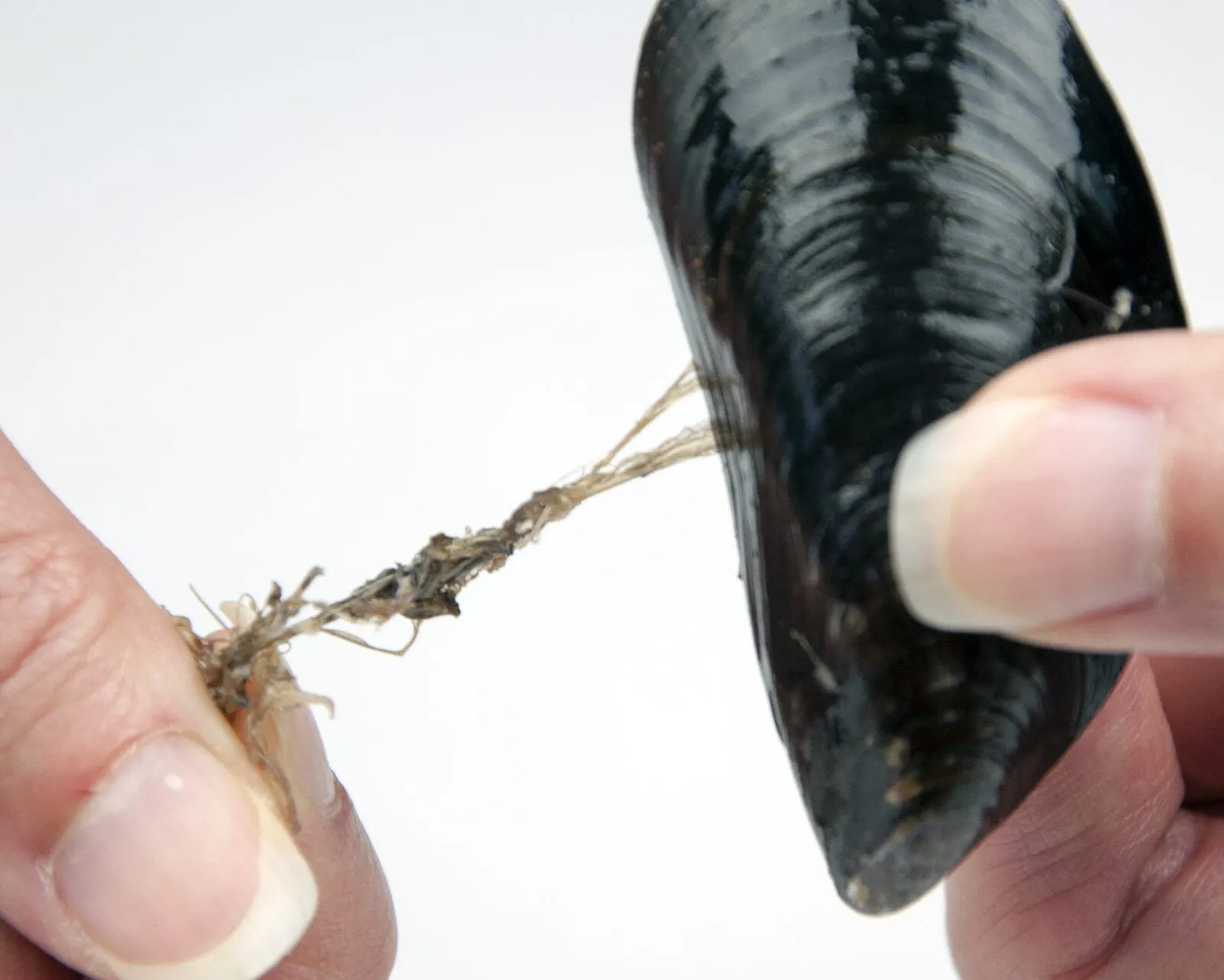
To remove it: grip the threads firmly between your thumb and the side of your index finger. Pull sharply towards the hinge end of the mussel (not the opening end — pulling towards the opening can damage the mussel and cause it to die prematurely). The beard should come away cleanly. If it is stubborn, use a small knife or the edge of another mussel shell to work it free. Do not yank so hard that you pull mussel flesh out with it — if that happens, discard the mussel.
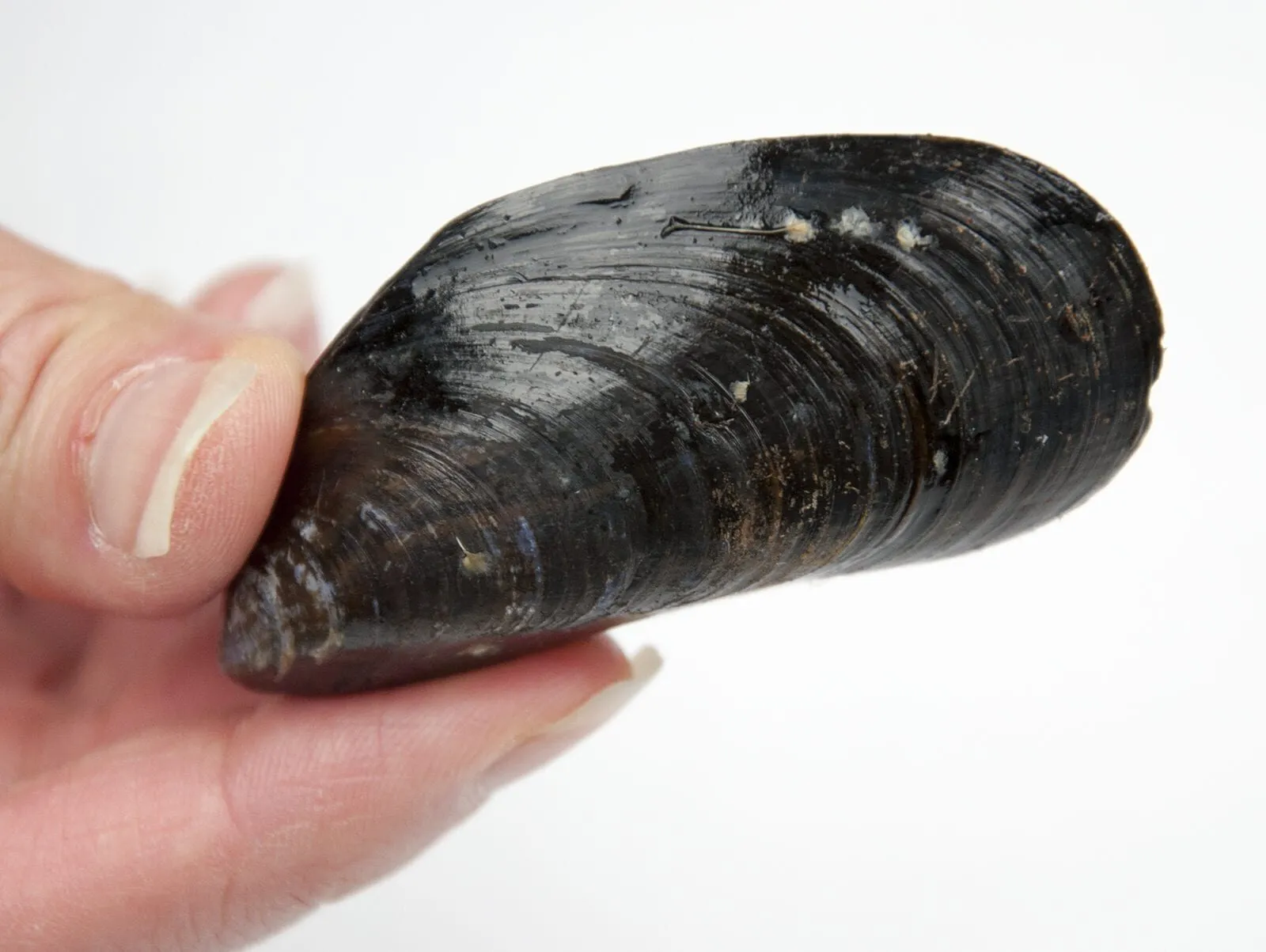
Once debearded the mussel should look clean and tight, with no fibrous threads visible between the shells.
How do you tell if a mussel is dead and should be discarded?
This is the key safety step. Any mussel that is open before cooking needs to be tested. Hold it between your fingers and press the two shells firmly shut. Hold for a few seconds, then release.
- Shell closes and stays closed: mussel is alive. Keep it.
- Shell closes but slowly springs back open: almost certainly dead. Discard it.
- Shell does not close at all, or is visibly damaged: dead. Discard immediately.
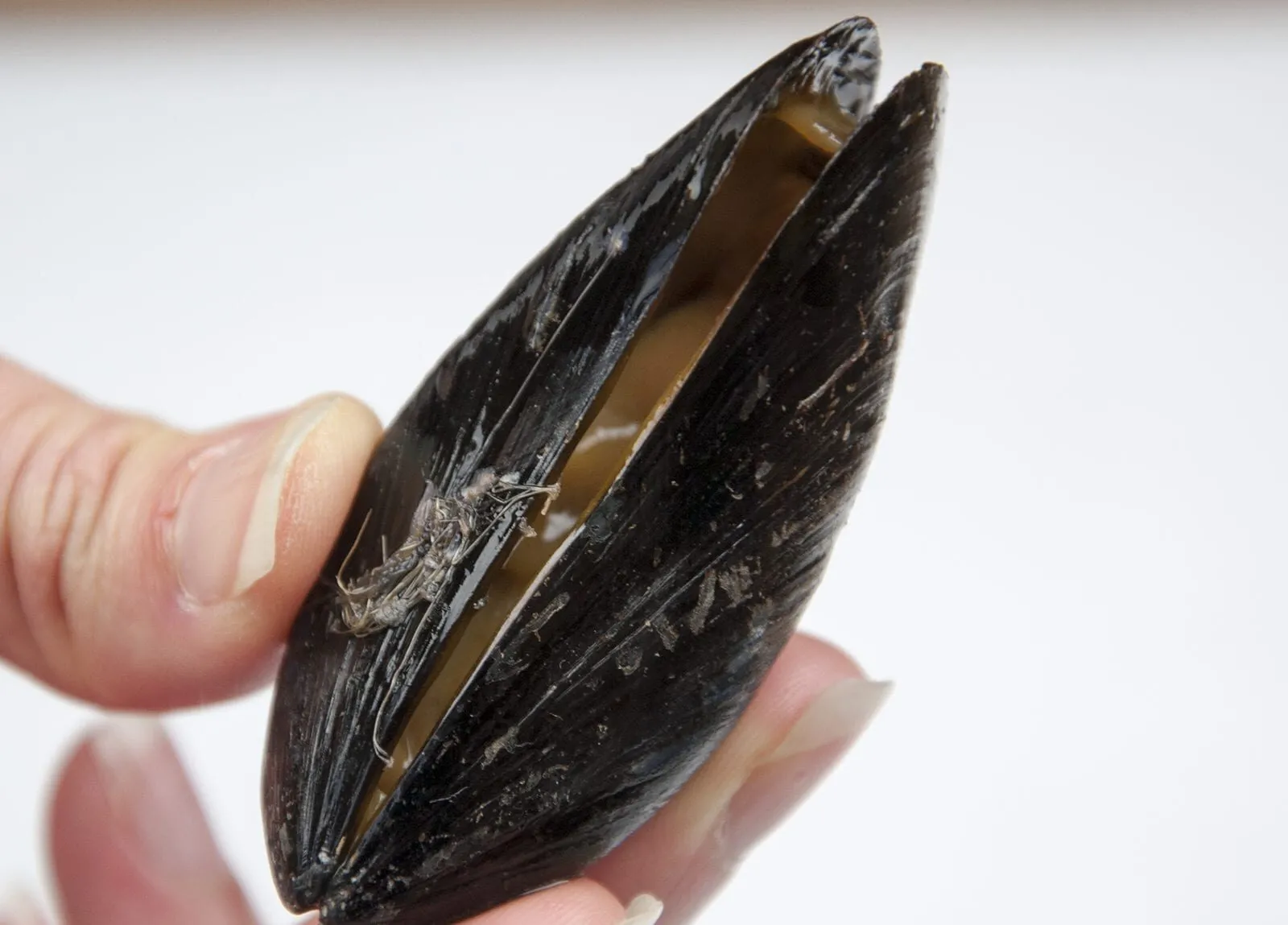
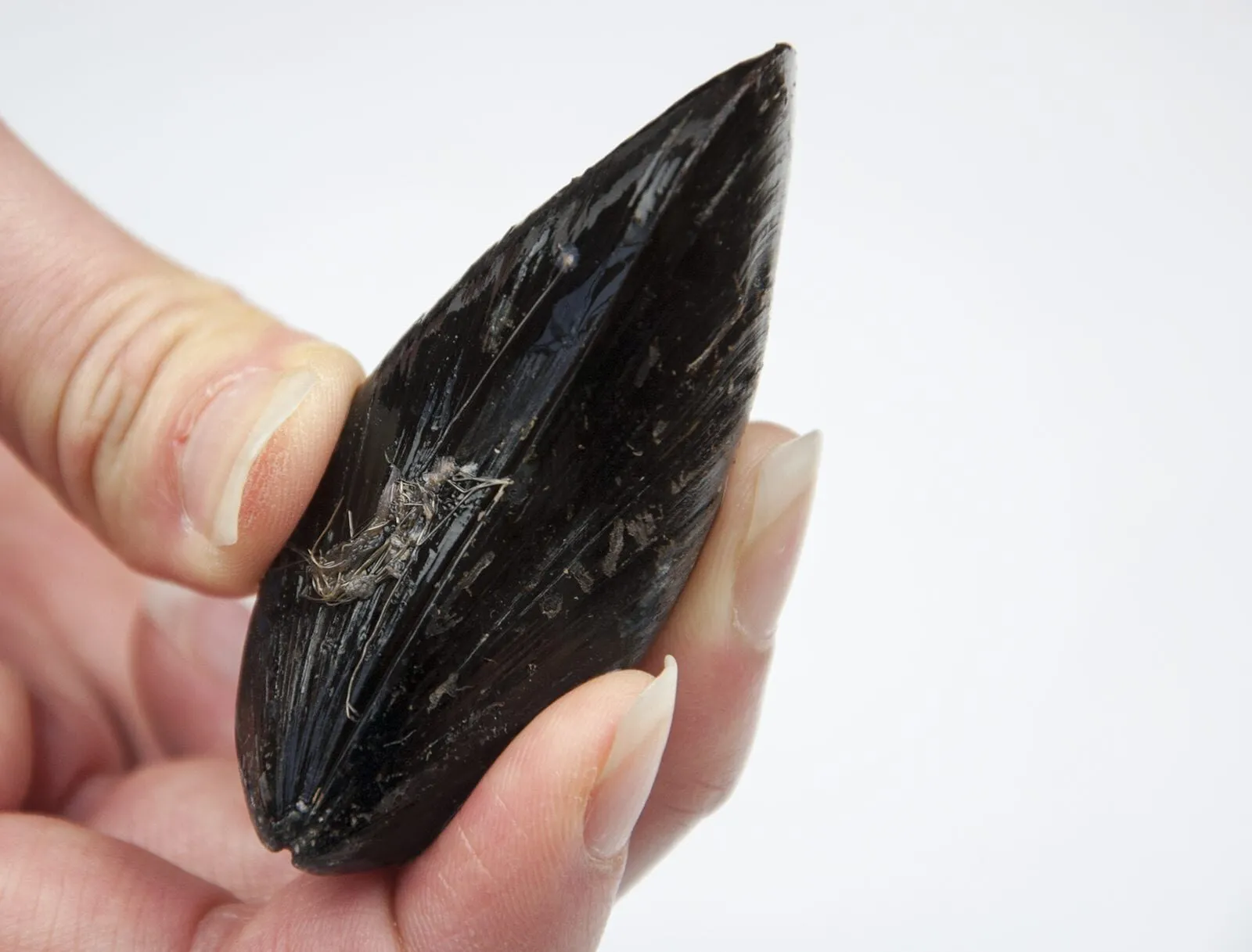
In practice, the proportion of dead mussels is usually very low. The last time I prepared 2 kg of mussels from a good fishmonger I found exactly one that failed the test. If you are finding large numbers of open mussels in a bag, the batch is old or has been stored badly — I would question the whole lot at that point.
After cooking, the reverse rule applies: any mussel that remains closed after cooking should be discarded. A closed shell after heat means the mussel was dead before it went into the pot and the heat did not open it — do not try to force it open.
What do you do with mussels after they are cooked?
The most common question I get after people master the preparation is what to cook first. The simplest and best starting point is mussels with white wine, garlic, parsley and cream — a classic moules mariniere that takes about 15 minutes from start to finish once the prep is done. The broth that develops in the pan is extraordinary. Serve it with crusty bread to mop up the sauce.
For a more substantial meal, try incorporating mussels into a seafood pasta — they pair brilliantly with smoked haddock and a cream sauce over tagliatelle.
Frequently asked questions about cleaning mussels
Can you prepare mussels the night before?
I would not recommend it. Mussels are best prepared and cooked on the same day. If you must prepare them a few hours ahead, debeard and scrub them, then store them in a bowl covered with a damp cloth in the fridge — not submerged in water. Cook within a few hours.
Do farmed mussels need less preparation than wild ones?
Generally yes. Rope-grown farmed mussels are often cleaner, have fewer barnacles, and are partially debearded at harvest. You still need to wash them, check for dead ones, and remove any remaining beard, but the process is quicker. Wild mussels gathered from rocks need more thorough scrubbing.
Why do some mussels smell strongly before cooking?
Fresh mussels should smell of the sea — clean, briny, mildly mineral. A strong fishy or ammonia-like smell is a warning sign. Discard any that smell off, even if the shell appears closed. When in doubt, throw it out.
How many mussels do you need per person?
As a main course, allow 500 g to 750 g per person (roughly 15 to 20 mussels). As a starter, 300 g is plenty. Mussels are sold by weight including the shell, and the edible flesh is a fraction of the total weight, so buying more than you think you need is sensible.
Can you freeze mussels after cooking?
Yes. Cook the mussels, remove the flesh from the shells, cool completely, and freeze in their cooking liquid in an airtight container. Use within 3 months. Defrost in the fridge overnight. Do not freeze raw mussels in the shell — the texture suffers considerably.
Find more preparation guides and cookery techniques on The Cookery Techniques Larder.

You might also love
More in Kitchen Tips & How-To
5 Secret Tips on How to Make a Cooking YouTube Video
Updated: July 12, 2026 Make a Cooking YouTube Video A lot of people have sharpened their culinary skills during the pandemic. As…
Read
Top 10 Everyday Healthy Recipes for Weight Loss
Updated: July 12, 2026 Healthy Recipes for Weight Loss Obesity can cause many health risks, which is why it is important that…
Read
What Does it Mean to Dress for Culinary Success?
Updated: October 26, 2026OK, my Foodie Friends, a chef’s clothes say a lot. They aren’t just a look, they shape how you…
Read
8 Healthy Food Swaps to Cut Back on Carbs and Improve Your Diet
Updated: July 12, 2026 Sticking to a balanced, nutritious diet is essential not only when you want to lose some pounds. In…
Read
Top Tips For Making BBQ Like A Pro At Home
Updated: July 12, 2026 Barbequing is an art form. Professional barbeque chefs understand that there are endless options for crafting meals and…
Read
How to Fry with Less Oil Without Sacrificing Crunch and Flavor
Updated: October 22, 2026Frying is one of life’s simple pleasures, all golden and crunchy, but you don’t need a pan full of…
Read