
The chemistry behind the technique of softening meat with tenderizers

Table of Contents
OK, my Foodie Friends, let’s talk about tough meat. Nobody wants to chew through it. The fix is easier than you’d think. A little powdered tenderizer and some patience will turn chicken or pork into something you can pierce with a fork. C’mon, I’ll show you what’s in the powder and exactly how to use it.
Why tenderizing is worth the bother
Soft meat is half the battle. You can nail the recipe and still end up with chewy pieces, and for tender, juicy dishes that taste like the restaurant version you need meat that gives way easily to a fork, which is exactly what a decent meat tenderizer is there to give you.
Get the type and amount right and it works its way into the chunks, smoothing out the fibres. Tools can help too. They ease the toughness of the fibres in cut pieces. But for most home cooks, the powder is the best friend in the kitchen. Sprinkle it on, wait half an hour, and the meat is ready to broil or bake. Yum!
What’s actually in the powder
Most tenderizer powders lean on an enzyme called protease. The star is papain, which comes from the papaya. Now, that’s a proteolytic enzyme. Fancy words, simple idea. It breaks proteins down into smaller pieces.
That’s why you’ll find tenderizer powder on the label of dry marinade mixes at the grocery store. The process has a proper name, hydrolysis, and it does the work on the proteins in the meat without any pounding. Want to skip the commercial stuff? Just make your own enzyme marinade from natural ingredients.
Powder or mallet?
Both soften meat. They just go about it differently. A mallet or tenderizing tool uses force. It makes sense when you’ve got a big batch to pound. The powder starts a chemical reaction in the meat instead, so there’s no elbow grease at all.
Don’t own a mallet? Not a problem. The powder does the job on its own, and it’s the more convenient of the two.
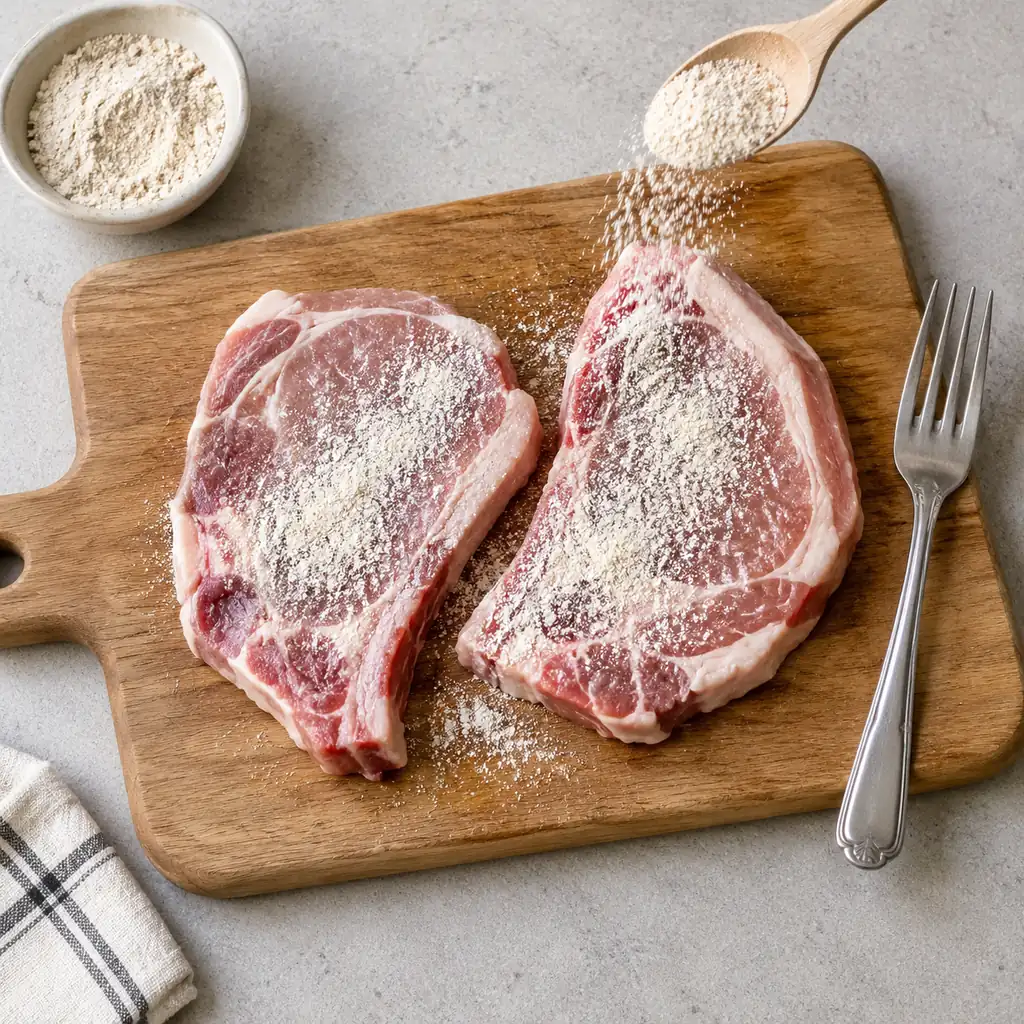
How to use powdered tenderizer
As always, get the meat softened before you cook it. That way you only start cooking once you know it’s soft enough for your chosen dish. Three simple steps:
- Firstly, moisten the meat.
- Next, prick it all over with a fork until the little holes show up across every piece.
- Finally, sprinkle the tenderizer over the top and leave it for 30 minutes. The meat should be soft by then.
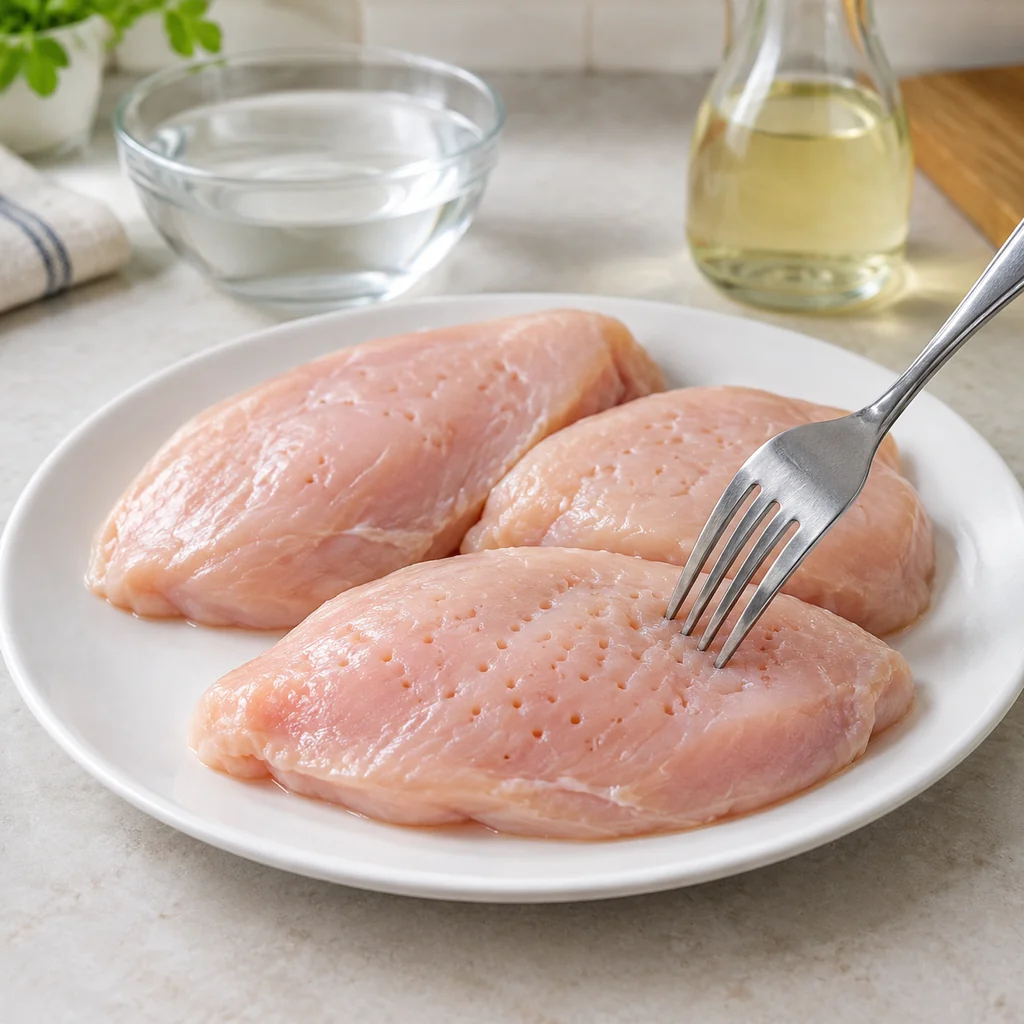
Still hard in a few spots? No worries. Repeat the process until all of the meat is soft.
The soaking method
Prefer a wet marinade? Mix the powder with water or, sometimes, vinegar. Pop the meat in and leave it to soak. We usually suggest at least 20 minutes. Then lift the pieces out and wash the tenderizer off before cooking. Pat them dry and you’re good to go.
A wet mix has a perk. The meat takes up more flavour from the other ingredients in the marinade, so you end up with a tastier dish. Using vinegar? Let it rest for 20 minutes before cooking. Vinegar can soften meat too.
Quick tips
Just as a side note, a few things are worth remembering:
- Soften first, cook second. Don’t start until the meat feels soft.
- Check for hard spots and go again where you find them.
- Soaked the meat? Rinse the tenderizer off before it goes in the pan or oven.
- Tougher cuts can benefit as well. They’re the ones people tend to skip.

The bottom line
Powdered tenderizer is the easy route to soft meat. Prick, sprinkle, wait half an hour. Done. No pounding, no stress, and your dinner is ready to broil or bake. As always, many thanks for reading and until next time…Steve.
Meat tenderizer FAQ
What is in meat tenderizer powder?
Usually an enzyme called papain, which comes from papaya. It’s a protease, meaning it breaks proteins down into smaller fragments. That’s why you’ll spot it in meat tenderizers and dry marinade mixes.
How long does tenderizer take to work?
Sprinkled on dry, give it 30 minutes. Soaking in a water or vinegar mix? Aim for at least 20 minutes.
Do I need to rinse the tenderizer off?
If you’ve soaked the meat in the mix, yes. Lift the pieces out and wash the tenderizer off before cooking. Then pat them dry.
Is a powder better than a mallet?
Neither wins every time. A mallet uses force and suits big quantities you want to pound. The powder works through chemistry, so there’s no effort, and it’s handy if you don’t own a mallet.
Can I make my own enzyme marinade?
You can. If you’d rather avoid the commercial blends, make an enzyme marinade from natural ingredients instead.

You might also love
More in Kitchen Tips & How-To
8 Ways to Get Seniors With No Appetite to Eat
Updated: July 12, 2026 Finding ways to ensure seniors with limited appetite have a healthy, balanced diet can be a significant challenge…
Read
How to Tell if an Avocado is going Bad
Updated: October 28, 2026 Avocados are at their best when everything’s in balance: light green flesh inside, and a gentle give when…
Read
How to Prepare a Mango (Slice, Score, and Fan in 90 Seconds)
Updated: November 7, 2026 To prepare a mango, stand it on end and slice straight down each side of the flat stone…
Read
Top 5 Tips to Treat Your Loved One’s Appetite Naturally
Updated: July 12, 2026 Low appetite is popularly viewed positively, especially among weight loss fanatics. Reduced appetite might help fight food cravings…
Read
Healthy Recipes For Weight Loss Foods
Updated: July 12, 2026 Introduction Maintaining a healthy weight is essential for overall well-being and can help prevent a variety of health…
Read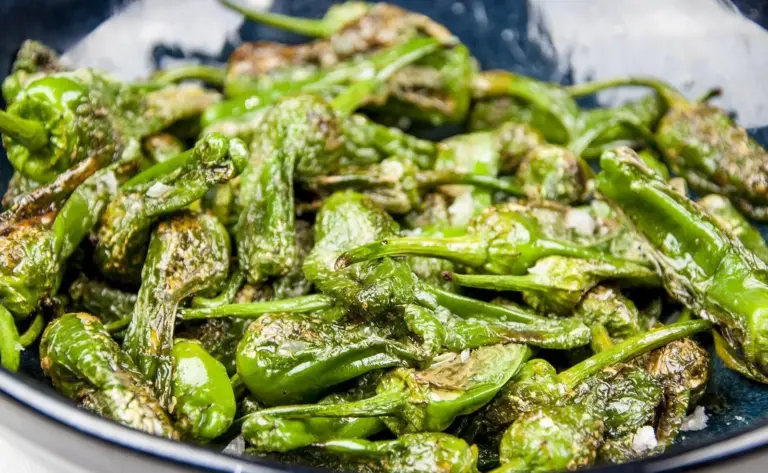
How to Cook Padron Peppers (The Only Method You Need)
Updated: November 7, 2026 Padron peppers take five minutes. Three ingredients. And yet, somehow, I’ve watched people overcook them, undercook them, salt…
Read