
Minced Beef Recipes: 20 Dinners from One Pack
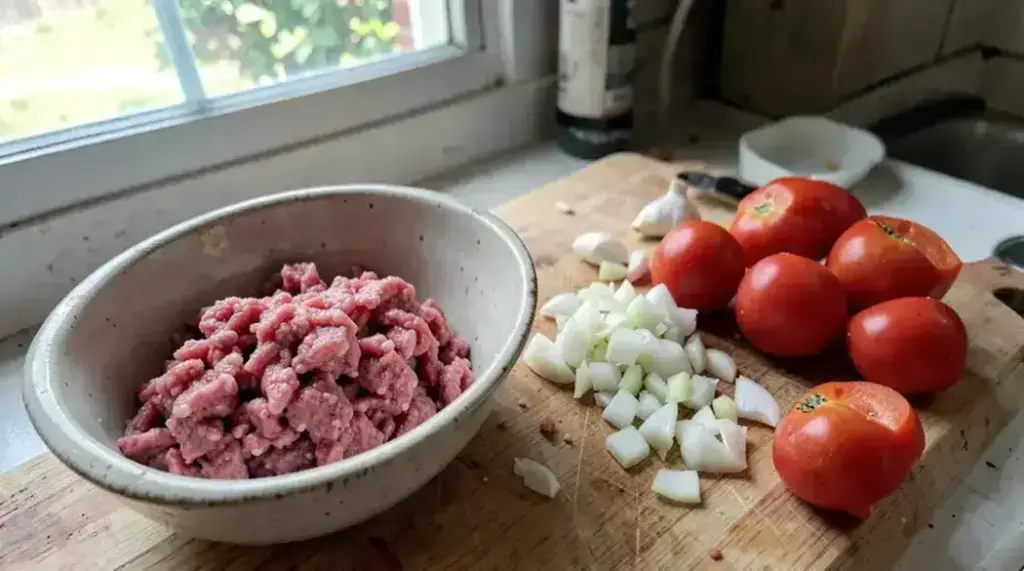
Table of Contents
A 500g pack of minced beef will happily do four dinners for a family, so long as you split it before the cooking starts. Beans, lentils or a good heap of extra veg will stretch it further, and that’s how you squeeze out a fifth. Twenty dinners follow here, across five styles, Italian, British, spiced, fast and batch-cooked, plus the tricks that make plain mince taste like you tried harder than you did.
How Far One Pack Actually Goes
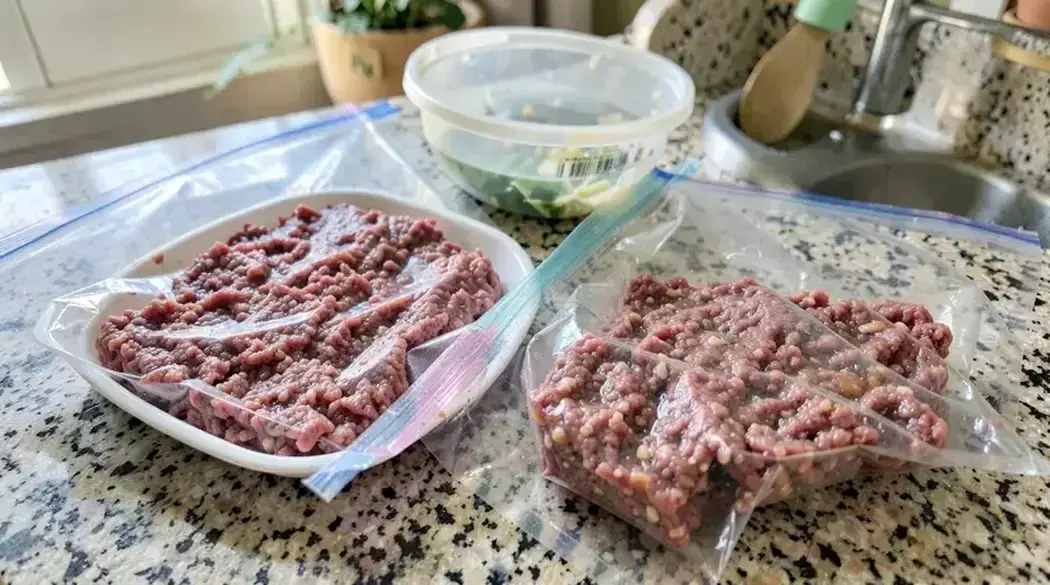
Get the dividing right and a whole new set of dinners opens up. Work out how many meals you actually need, then portion the mince to match. Brown the lot in one go, mind, and there’s usually nothing left by midweek. I keep a rough system at home. Some of the pack goes straight into whatever I’m cooking that day, and the rest gets portioned and frozen flat in bags before it can sit in the fridge doing nothing.
Split that pack while it’s raw and it’ll stretch across far more meals.
For something like a bolognese or a chilli, the full 500g is the one to cook. It’ll comfortably feed a family, or fewer people if somebody’s especially hungry that evening. Split it raw before cooking, though, and you open up a few more options.
- A slim portion (100–150g) works for a quick stir-fry or taco night, where the mince plays a supporting role and coats other ingredients without dominating the plate.
- A bigger share (200–250g) suits something that needs bulk, like a pie or a hotpot.
- A rough third (150–180g) goes back for anything curry-style, since spiced mince padded out with lentils or chickpeas goes noticeably further on its own.
- Freeze what you’re not using that day flat in a bag, so it thaws fast later and doesn’t take up a block of freezer space.
Sort out your split before you start cooking, that’s the first job. Try to do it halfway through with the pan already full, and all you’re really doing is improvising.
Making Mince Taste Better
Plain mince comes out flat and that’s usually on us. Rush the browning, season too early, and that’s your lot.
Give it room in the pan. Now here’s the thing, mince needs to sit against hot metal to get a proper crust, and if you crowd the pan it just steams instead. That, right there, is the single biggest reason home-cooked mince so often ends up flat and grey. So these days I cook mine in batches. Used to be I’d tip the whole pack in at once, that was my old habit. The difference between a seared batch and a steamed one? Colour and flavour, both, and you’ll taste it the second you do.
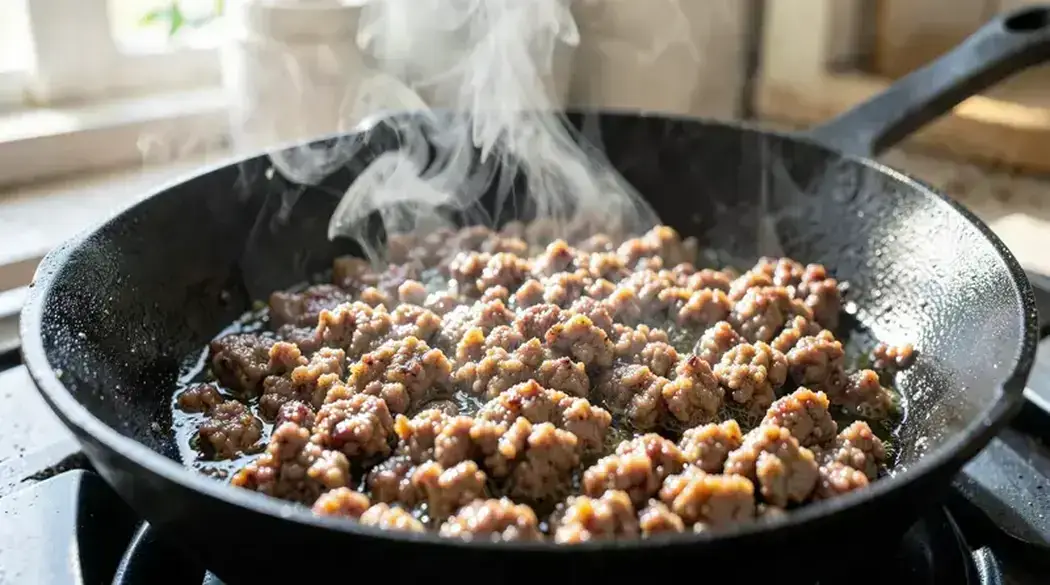
Now, leave it be at the beginning. Constant stirring is what keeps the meat pale and steamed, so don’t do it. Let it sit and get a good brown. As for the salt, it pulls out moisture, so wait until the meat has started to colour before you add any.
Recipes rarely admit how much fat content matters. Mince sold as extra-lean browns pale and dry. A fattier pack renders down and bastes itself as it cooks. I switched to the higher-fat option for anything going in a pan, keeping the leanest pack for stews that simmer for a long time anyway, and I stopped needing extra oil halfway through.
Want real savouriness? That’s umami at work, and plain seasoning just can’t get you there. So try frying off a spoonful of tomato purée before the liquid goes in. Or a dash of Worcestershire sauce. A mashed anchovy fillet does the job nicely as well. It dissolves and disappears. A splash of soy sauce in a Bolognese, a spoonful of miso stirred into a stew, or a handful of finely chopped mushrooms cooked down with the meat: every one of those pushes a dish further without tasting of itself. Just pick one or two at a time. Then finish with fresh herbs stirred in at the end. They lift a dish that’s been simmering away for a while, because long cooking flattens dried herbs into nothing but background noise.
Italian Classics
In Italian cooking, mince is the starting point. You build it up slowly, mind. Could be a sauce left to simmer a good long while. Could be a bake, layered up with cheese.
Bolognese
A proper bolognese wants time on the lowest heat, well beyond a quick simmer. Brown the mince hard, add a soffritto of onion, carrot and celery, then a splash of wine before the tomatoes go in. Let it tick over gently for as long as you can manage, stirring now and then and topping up with a little stock or milk if it dries out. By the time it hits the pasta it should be thick enough to coat a spoon.
Lasagne
Now, I like to layer a bolognese-style sauce with white sauce and sheets of pasta, then finish with a thick cap of cheese on top. Keep each layer thin and even. Do that and it bakes more evenly and holds together much better when you cut it. An hour in the oven, depending on the depth and your oven temperature, until the top is deeply golden and the edges are bubbling. Let it rest properly before serving too, so the layers don’t collapse into a puddle.
Meatballs in Tomato Sauce
Now, get your mince into a bowl with breadcrumbs, egg, garlic and a little grated parmesan. Roll it into balls that hold their shape but aren’t packed too tight. Brown them first in a hot pan, and that’s for colour and structure as much as anything. Then let a simmering tomato sauce finish the job over about 20 minutes. They cook gently the rest of the way through, picking up flavour as they go, and stay noticeably more tender for it.
Stuffed Pasta Bake
Cook large pasta shells or cannelloni tubes just short of done, then stuff them with seasoned mince and ricotta. Bake them under a blanket of tomato sauce and cheese. This is a slower dish, mostly down to the fiddly stuffing step, but it reheats beautifully the next day. Make a weekend batch and you’ve got an easy midweek dinner. When pasta isn’t the craving, the Leftover Marrakesh Lamb Ragu Pappardelle covers similar ground with lamb mince and warmer spicing.
British Comfort
In this group it’s mashed potato, pastry and a low oven doing most of the heavy lifting. Honestly, that’s the sort of cooking minced beef handles best of all!
Cottage Pie
Right, let’s get one thing straight. Cottage pie is beef under mash. Shepherd’s pie is lamb under mash. Mix those two names up and you’ll genuinely annoy a British home cook. So brown your mince off with onion and carrot, then thicken the gravy with a little flour or cornflour. Top it with mash that’s been beaten with butter until it holds soft peaks. Fork the top over before it goes in the oven, then give it around 30 minutes, until the mash is golden and the filling bubbles at the edges. After the lamb version done properly, with a cheddar crust on top? Then the Cheddar Topped Shepherd’s Pie is the one to go to.

Minced Beef and Onion Pie
Cook the mince and plenty of soft onion down into a thick, savoury filling, then encase the lot in shortcrust or puff pastry. Low to medium oven, roughly 40 minutes, until deeply golden. It’s a hearty dinner, scaled down. Cool and chill the filling before baking and it holds together far better. Serve with mash and gravy, or just a pile of buttered peas if you fancy it lighter.
Savoury Mince on Toast
Take a leftover portion and simmer it down with a little stock, a splash of Worcestershire sauce and whatever vegetables are looking tired in the fridge. Then spoon it thickly over hot buttered toast. Not fancy, and it doesn’t need to be. On a night when you don’t want to cook properly, this is the fastest route from freezer bag to full plate.
Beef and Ale Hotpot
Brown the mince, then add root vegetables and a good dark ale. Let it simmer low and slow until the liquid reduces down into something rich and glossy. A layer of sliced potato on top, brushed with butter, crisps up nicely if you finish it uncovered in the oven for the last stretch. This one rewards patience. And that smell drifting through the house while it cooks? Worth the wait.
Spice-Led
It’s the ground spice that does the heavy lifting in this group, standing in for the cheese or the pastry you’d reach for elsewhere. That’s also why these bad boys freeze so well, with nothing turning soggy on you.
Chilli Con Carne
Brown the mince, then add onion, garlic and a proper spoonful of chilli and cumin. Simmer with tomatoes and kidney beans for 30 to 40 minutes, until it thickens into something you’d happily eat with rice, in a wrap, or piled onto jacket potatoes. Near the end, stir in a square of dark chocolate or a spoonful of cocoa. That rounds off the heat without making it taste sweet. Of everything here, this is also one of the most forgiving for using up whatever beans or vegetables are already in the cupboard.
Keema Matar
Get your onion, garlic and ginger frying with whole and ground spices before the mince goes in. Then simmer with peas and a splash of water for a little under half an hour, until everything’s tender and the sauce has thickened around the meat. It’s become the dish my kids ask for by name, ahead of the tacos I assumed would win. Serve with rice or warm flatbread. And don’t skip the fresh coriander scattered on top, because it cuts through the richness in a way dried herbs simply can’t.
Beef Kofta
OK, here’s how it goes. Take your mince and mix it with grated onion, garlic, cumin and coriander. Shape the lot into short skewers or oval patties. Cook them under a hot grill or in a griddle pan for roughly 10–15 minutes, until the edges go nicely charred. Serve with flatbread, a cooling yoghurt sauce and a sharp, herby salad to balance the spice. And here’s a tip. These freeze well raw, shaped and ready to cook. A lifesaver on a night when cooking from scratch feels like too much.
Picadillo
A Latin American classic. Brown the mince with onion, garlic and tomatoes, then fold in raisins and green olives. Give it twenty minutes or so, until the flavours settle into a mix of sweet, salty and savoury in the same spoonful. Serve over rice, spooned into tacos, or piled onto a baked sweet potato. It sounds like an odd combination until you’ve actually tasted it. Then it becomes one of those dishes you keep making, because nobody else does it and everyone always asks what’s in it.
Fast, Under 30 Minutes
Pull a pack straight from the freezer at the last minute and dinner still comes together fast with this gang. Handy, that.
Tacos
Now, get that mince browned hard with onion and a taco-style spice mix, about 15 minutes should do it. Then pile it into warm tortillas or crisp shells, along with lettuce, cheese, salsa, soured cream and a squeeze of lime. Whatever’s sitting in the fridge that night goes in too. Think of it as an assembly line as much as a recipe. That’s the very reason it works when nobody has the patience for anything more complicated.
Smash Burgers
C’mon, shape the mince into loose balls, then flatten each one firmly and press it hard onto a screaming-hot pan or griddle. That’s the trick. The edges catch and crisp before the middle’s even properly cooked through. Start to finish, you’re looking at about 10 minutes. Don’t season until they hit the heat, flip once, then stack with cheese, pickles and a simple sauce. If lamb suits you better here, the Homemade Minced Lamb Burgers take the same idea in a different direction with a heavier hit of spice.
Beef Stir-Fry with Green Beans
Cook the mince fast and hard in a hot wok or a wide pan so it browns quickly, then in go green beans, garlic, ginger and a savoury sauce built from soy, a little sugar and a splash of vinegar. The whole thing should be done in the time it takes rice to cook alongside it. The mince plays a supporting role here, and that’s part of what makes the plate feel lighter.
Mince and Rice One-Pan
Brown the mince with onion, stir in rice, stock and a tin of chopped tomatoes, then cover and simmer for about 20 minutes, until the rice has soaked up the liquid and cooked through. One pan, one washing-up job, and a dinner that needs almost nothing but a spoon and some grated cheese on top to finish. It’s the sort of meal that quietly becomes a weekly fixture without anyone ever deciding it should be.
Batch and Freezer
Here’s the beauty of it. Make a batch big enough for several dinners, then split it up and freeze it for future weeks. Once the pan’s already out, it’s hardly any extra effort at all.
Base Mince Sauce
Cook a plain, well-seasoned tomato mince base with no fixed identity yet. Just onion, garlic, tomatoes and a splash of stock, nothing more specific. Half an hour of gentle simmering darkens it and thickens it up. Once it’s done, freeze it in flat portions and decide later what it becomes. A quick pasta sauce, a base for chilli with beans added, or the filling for a pie once it’s thawed and reheated. It removes the decision entirely, since you decide what it becomes on the night you actually need dinner.
Meatball Tray-Bake
Here’s a tip, make a big batch of meatballs in one go. Roll the lot, then freeze half of them raw on a tray before you bag them up. The rest? Straight into a tomato sauce in the oven, around 25 minutes, until they’re cooked right through. Now, why go to the trouble? Because a bag of ready-formed meatballs in the freezer turns a proper dinner into something that needs almost no thought on a bad day. Bake them straight from frozen, just adding a little extra time, and the texture holds up just as well.
Chilli-Stuffed Peppers
First, halve your peppers and scoop out the seeds. Now fill them with a cooked mince mixture, chilli or taco-spiced, whichever you fancy, then top with cheese. Into the oven for about 35 minutes, until the peppers soften and that cheese browns up nicely. These beauties freeze well once baked, so they’re just as good for lunch as they are for dinner. Reheat gently from frozen in the oven if you want the pepper to keep any bite at all.
Cottage-Pie Portions
Do yourself a favour and make a full batch of cottage pie filling and mash. Split it between individual dishes or a lined tray, and freeze whatever you won’t eat that night. Each portion then reheats from frozen in a low oven in about 45 minutes, and it won’t dry out. That’s the bit a single giant pie never quite manages once it’s been through the freezer and back. The thinking is just like slow-cooking a stew. One cook, several meals. When it’s cold out, the Slow Cooker Beef Stew Recipe leans on stewing steak and uses exactly the same freeze-and-reheat approach.
Storage and Safety
Mince is a delicate one. Of everything sat in your fridge, raw mince turns quicker than most, so it’s well worth a little extra care.
Refrigerator: Pop it on the coldest shelf you’ve got, which is normally the bottom one. Leave it in the packaging it came in, or use a sealed container. Raw mince is a use-it-quick job, so don’t hang about after you buy it. Can’t get to it in time? Freeze it before it starts to turn. Once it’s cooked, let it cool down first, then chill it and eat it soon.
Freezer: Now then, if you’re freezing raw mince, get it into the freezer as soon as you can after buying it. Mince that’s already been sat around in the fridge won’t freeze nearly as well. Cooked mince dishes, though, freeze well for up to three months with no noticeable drop in quality, though the texture of anything cream-based can suffer a touch. Thaw it fully in the fridge.
Always reheat mince dishes until they’re piping hot right the way through. And only reheat a portion once. Cooling the same batch down and warming it back up again and again just isn’t worth the risk.
FAQ
What’s the difference between minced beef and ground beef?
Now, it’s only the name, nothing more. The standard British term is minced beef. The American one is ground beef. Same product, both of them. Beef broken down into small pieces before it’s sold. That’s it.
Can I cook mince straight from frozen?
Yes, but it does change how you handle the pan. Frozen mince lets out water as it thaws, so it’ll steam first and only brown after. Give it longer over the heat, lid off. Break the block up as it softens. And if a crust is what you’re after, like with burgers or a tray-bake, thaw it first and you’ll get a better result.
Should minced beef ever be pink in the middle?
No. Mincing spreads any surface bacteria right through the meat, and that’s exactly why a rare steak is fine and rare mince is not. Cook mince all the way through until no pink remains and the juices run clear, whatever the dish.
What can I do with leftover cooked mince?
Think of it as a head start. That cold bolognese makes a lovely filling for jacket potatoes, or stir it through for a quick pasta bake. Spiced mince works a treat in wraps or squashed into a toastie. And a small amount, stretched out with stock and vegetables, will happily cover a plate of savoury mince on toast. Just chill it down quickly and use it up within a couple of days.
Can I use minced turkey or lamb instead of beef in these recipes?
Mostly, yes. Turkey’s a great fit for spiced or tomato-based dishes. It’s leaner, mind, so overcook it and it’ll dry out on you. Lamb, though, is made for the richer, slower numbers here, and it swaps in with almost no tweaking at all.

You might also love
More in Meat & Roasts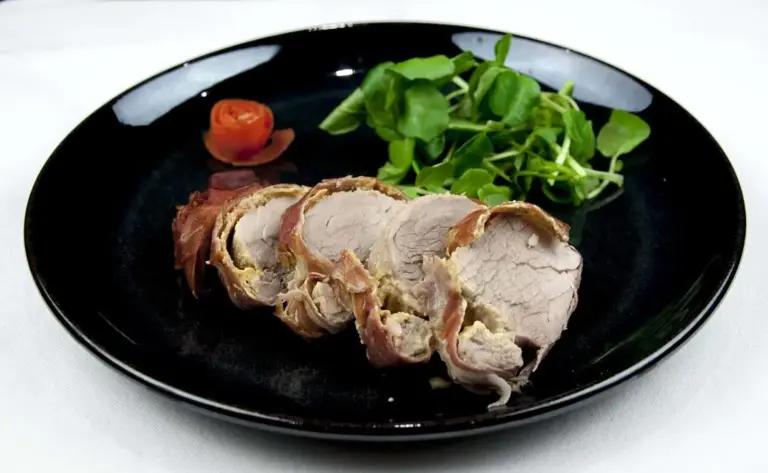
Roasted Pork Fillet wrapped in Prosciutto
Updated: July 12, 2026 This roasted pork fillet wrapped in prosciutto is such a simple recipe. Very tasty and very juicy. If…
Read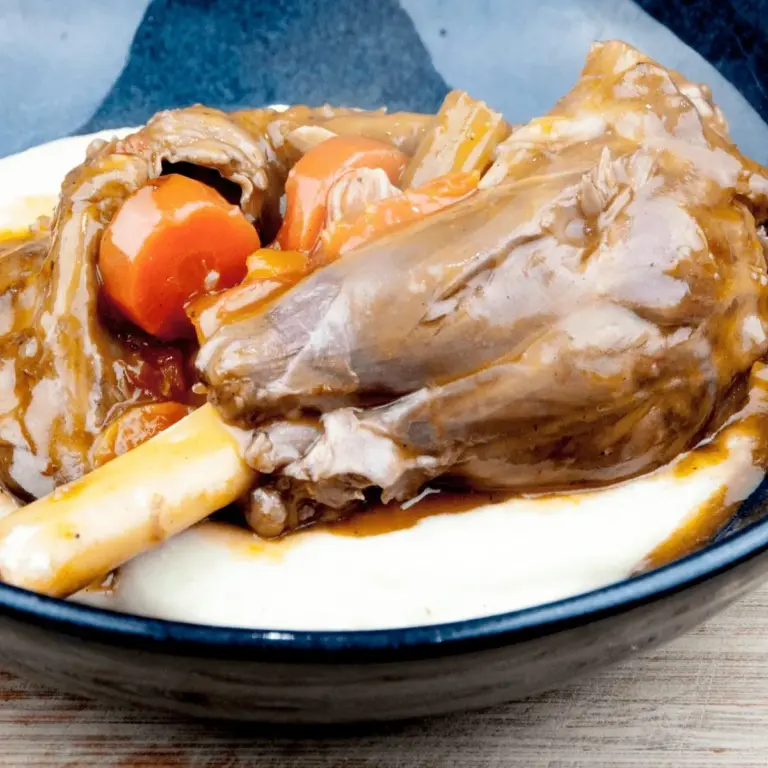
Pot Roasted Lamb Shank
Updated: November 5, 2026 This pot roasted lamb shank recipe is one of my all time favourites. I love lamb anyway, but…
Read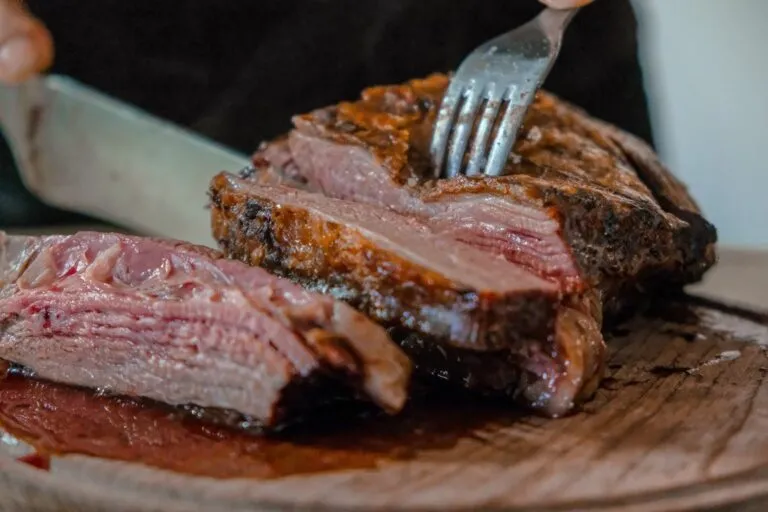
These Recipes Are A Must-Try For Anyone Who Loves Meat
Updated: July 12, 2026 If you’re a meat-lover, then you’re going to love these recipes! They are all simple and easy to…
Read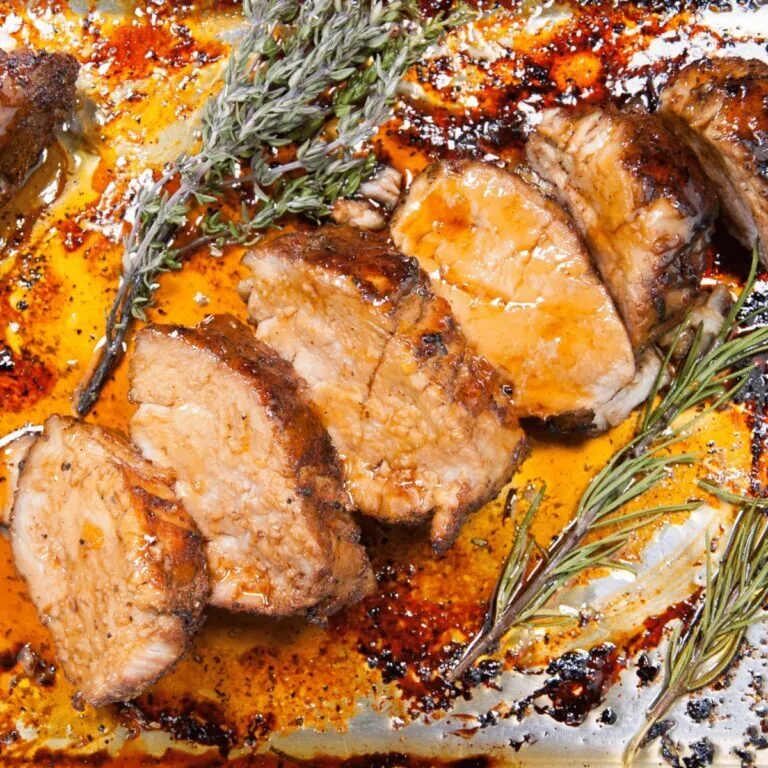
Honey Soy Pork Tenderloin
Updated: July 12, 2026 Honey soy pork tenderloin. A wonderfully tasty pork tenderloin recipe that results in a fusion of flavours from…
Read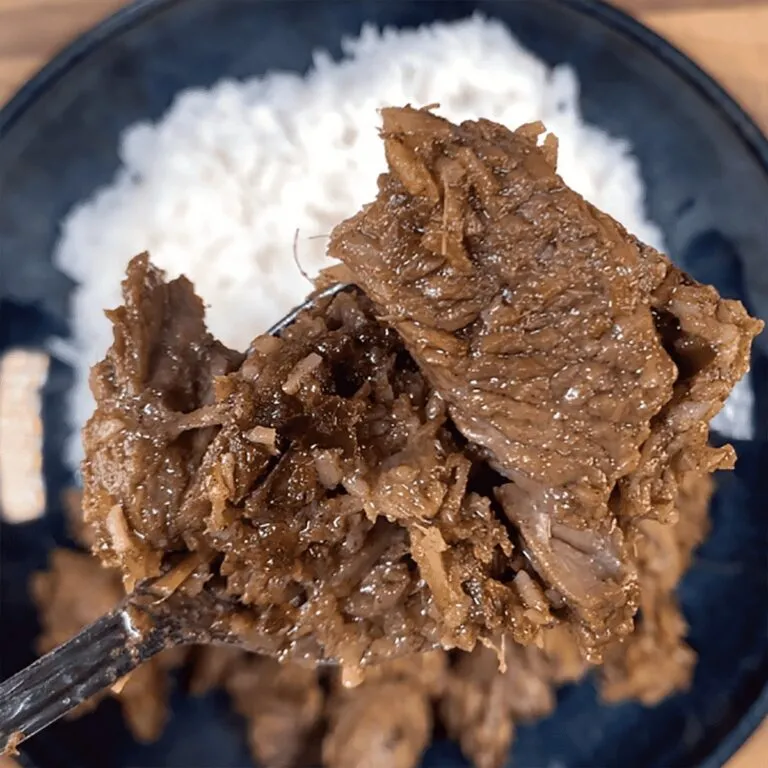
Malaysian Beef Rendang
Updated: September 29, 2026 Beef Rendang is one of my very favourite recipes. There is a heated debate in South East Asia…
Read
Slow Roasted Lamb Chops
Updated: November 5, 2026 These slow-roasted lamb chops cook under foil at 120C (110C fan) for four hours, then uncovered at 180C…
Read