
Calories in Chicken Mayo: Nutritional Breakdown, High-Street Benchmarks & Lighter Swaps
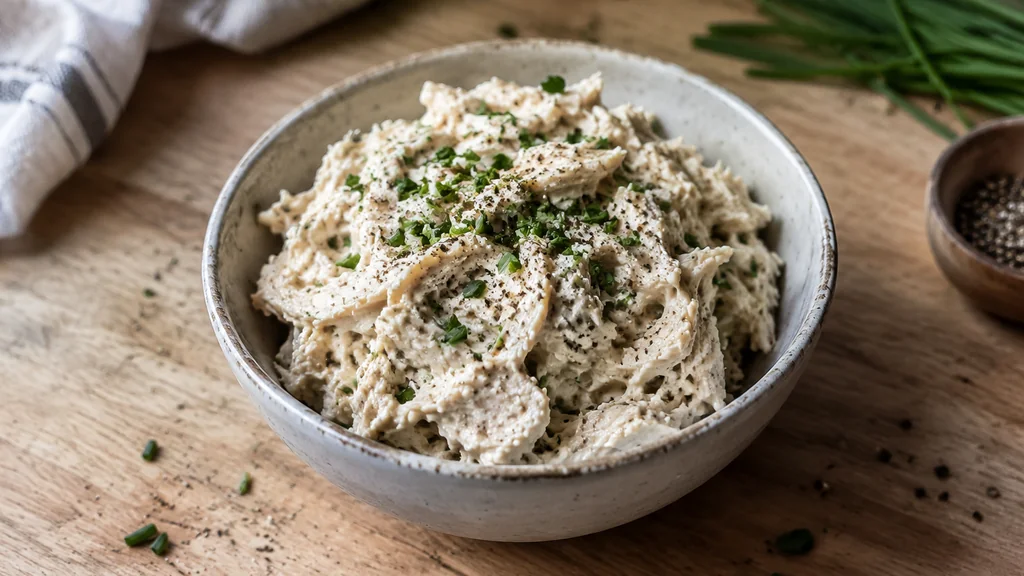
Table of Contents
This post may contain affiliate links. As an Amazon Associate we earn from qualifying purchases.
Chicken mayo is one of those fillings that feels virtuous because it has the word chicken in it, then quietly undoes an afternoon’s good intentions through the mayonnaise alone. A generic chicken mayonnaise filler runs somewhere between 224 and 245 kcal per 100g, and most of that energy comes from the oil whipped into the egg. Knowing exactly where the calories sit is what lets you decide whether to keep it as a weekly lunch or rebuild it lighter at home.
Quick Answer: How Many Calories Are in Chicken Mayo?
The 100g benchmark for a standard chicken mayonnaise filler is 224–245 kcal. Reduced-fat and light versions drop significantly, to around half that amount, which is a meaningful saving if you are eating it most days. See the table below for full macro breakdowns.
A typical sandwich portion of the standard filling contributes a significant amount of calories before the bread enters the conversation. Add bread and spread and the complete sandwich becomes a substantial meal. The table below shows typical figures for these combinations.
| Item | Calories | Protein | Fat | Carbs |
|---|---|---|---|---|
| Chicken mayo filler, 100g (standard) | 224–245 kcal | ~17g | ~18g | ~1.5g |
| Chicken mayo filler, 100g (light) | 135–160 kcal | ~17g (est.) | ~8g (est.) | ~1.5g (est.) |
| 1 level tbsp (about 15g), standard | ~34–37 kcal | ~2.6g | ~2.7g | ~0.2g |
| 1 heaped tbsp (about 25g), standard | ~56–61 kcal | ~4.3g | ~4.5g | ~0.4g |
| 80g sandwich portion, standard | ~180–195 kcal | ~13.6g | ~14.4g | ~1.2g |
| Full sandwich, with bread and spread | ~390–450 kcal | ~20g (est.) | ~20g (est.) | ~37g (est.) |
Calories by Serving Size: 100g, Tablespoons, and Portions
Per 100g, the spread of figures is wide enough that the label matters more than the recipe name. Standard chicken mayo sits in the range mentioned above. Reduced-fat versions carry notably fewer calories. If you are spooning it from a deli counter tub with no label, assume the higher end, because deli mixes tend to be generous with the mayonnaise.
The tablespoon is where people get caught out. A level tablespoon is modest, but a heaped one (the way most people actually serve it) is substantially more. Multiple heaped tablespoons on a roll add significant calories before the bread even appears. See the table above for the exact kcal difference, or the glossary further down for how ‘level’ and ‘heaped’ are measured.
Portions vary by what the chicken mayo is sitting on or in. The table below covers the most common serving vehicles.
| Serving vehicle | Typical filling amount | Calories (filling only) |
|---|---|---|
| Chicken sandwich filler | 70–90g | 157–220 kcal |
| Wrap filling | slightly more than a sandwich | 200–250 kcal (est.) |
| Jacket potato topping | 120g or more | 270–295 kcal (est.) |
What Drives the Calorie Count? (The Anatomy of Chicken Mayo)
Two things decide the number on the label. These are the chicken cut used, and how much mayonnaise is holding it together.
The chicken cut
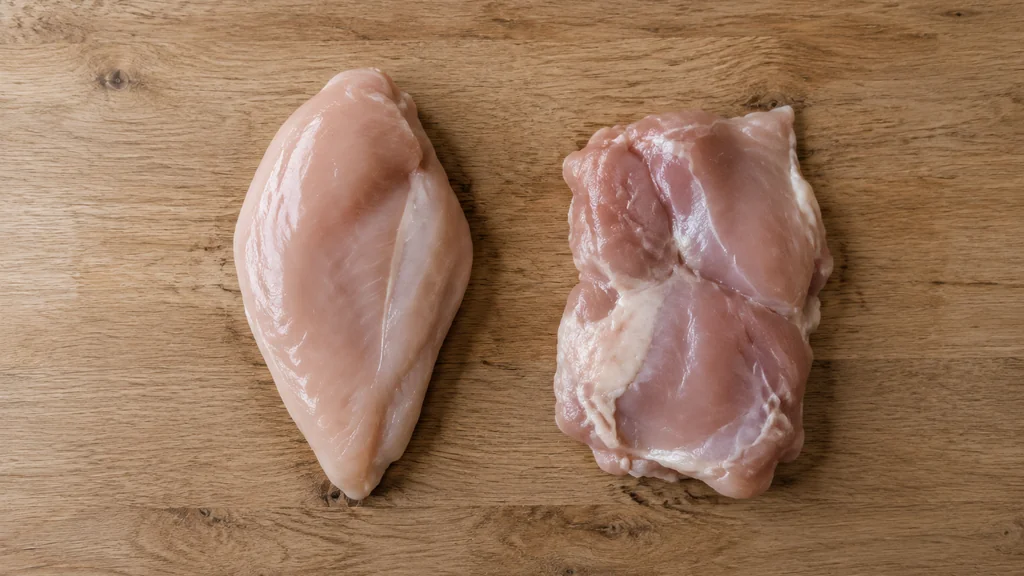
Cooked skinless chicken breast is the leanest option. Cooked skinless thigh carries notably more calories. That gap comes from fat, and it is the reason a thigh-based chicken mayo tastes richer and carries more calories for the same weight. If you want the flavour of thigh without the full hit, a half-and-half mix of breast and thigh gives you most of the character for a modest increase. The thigh brings a deeper, slightly gamey note that plain breast cannot match, which is why I often keep a portion of thigh meat back when I have roasted a bird.
The mayonnaise factor
Full-fat mayonnaise is extremely energy-dense. Light mayonnaise and own-brand light mayo are notably lower. The reason is simple. It is mostly oil emulsified with egg yolk, vinegar and mustard. Since oil carries far more energy than water or egg, a mayonnaise formula heavy in oil will always be high in calories no matter how you dress it up.
| Element | Calories per 100g | Note |
|---|---|---|
| Cooked skinless chicken breast | ~165 kcal | Leanest option, mildest flavour |
| Cooked skinless chicken thigh | ~209 kcal | Richer, more fat, deeper flavour |
| Full-fat mayonnaise | ~680 kcal | ~70% oil by weight |
| Branded light mayonnaise | ~265 kcal | Noticeable saving, still creamy |
| UK supermarket own-brand light mayo | ~183 kcal | Thinner texture, biggest saving |
| 50/50 light mayo + 0% Greek yoghurt blend | ~140–150 kcal | My own working figure, not a lab value |
Mixing ratios
The ratio of chicken to mayonnaise is the single biggest lever you control at home. I work on a rough 50/50 mix by weight as my starting point, which is why it tastes so creamy, though with full-fat mayonnaise that still comes in well above the shop-bought average given earlier. Push it to 70% chicken and 30% mayonnaise and the filling still holds together, tastes properly of chicken, and sheds a meaningful chunk of the calories, even if it stays above that shop-bought average too, since commercial fillers go lighter on the mayo than a home full-fat mix. Tightening the ratio alone only gets you partway; swapping to light mayo as well, as in the recipe further down, is what actually brings it under that line. The texture at 70/30 is noticeably less loose, more shredded and meaty, which some people prefer anyway. (This is the chicken-to-mayonnaise ratio, a different 50/50 from the light-mayo-to-yoghurt dressing blend further down.)
Hidden calorie traps
The chicken and mayonnaise are only part of the story. Spreads and add-ons accumulate quickly, turning a moderate lunch into a large one. See the table below for typical add-ons.
| Add-on | Calories |
|---|---|
| Butter on bread (per slice) | 35–50 kcal (est.) |
| Sweetcorn (per tablespoon) | 25–30 kcal (est.) |
| Bacon (a couple of rashers) | 80–100 kcal (est.) |
| Cheddar cheese (per 25g) | ~100 kcal (est.) |
None of these are wrong, but they are the difference between a modest lunch and a generous one.
High-Street & Supermarket Benchmarks (Tesco, M&S, Greggs, McDonald’s)
The packaged versions are useful reference points because they are weighed and labelled. Here are the verified figures.
| Retailer / Product | Calories | Per 100g | Fat | Carbs | Protein | Salt |
|---|---|---|---|---|---|---|
| Tesco Chicken & Mayonnaise Sandwich (per pack) | 427 kcal | — | 18.2g (sat 2.1g) | 42g (sugars 2.9g) | 22g | 1.1g |
| M&S Roast Chicken & Salad Sandwich (235g pack) | 362 kcal | 154 kcal | 7.1g | 46.1g | 25.6g | 1.6g (derived: 0.68g/100g panel value × 2.35)* |
| Greggs Roast Chicken & Mayonnaise Baguette (222.4g) | 458 kcal | 206 kcal | 12g | 62g | 25g | — (not verified) |
| McDonald’s UK Mayo Chicken | 282 kcal | — | 9.4g | 36g | 12g | — (not verified) |
| Sainsbury’s Chicken Mayonnaise Sandwich (160g pack) | roughly 370 kcal | — | ~11.4g | ~43g | ~21.4g | ~1.1g (est.) |
A few things stand out. The Greggs baguette is the heaviest of the lot because it is a large item with substantial bread, though it is more moderate once you look at the per-100g column. The M&S sandwich is the lightest per pack, which reflects a higher salad-to-filling ratio. The McDonald’s Mayo Chicken is the lowest total, though it is also the smallest sandwich here. *The M&S salt figure is derived from the official per-100g panel, not an independently published per-pack value, the same caveat that applies to the “not verified” Greggs and McDonald’s salt figures.
The Tesco sandwich at 427 kcal is a useful reality check. A standard high-street chicken mayo sandwich counts as a substantial lunch. The Sainsbury’s figure comes from aggregator data, so treat it as approximate since it isn’t independently confirmed.
Full Nutritional & Macro Breakdown (Protein, Fats, Carbs)
Protein depends almost entirely on the chicken content. Most fillers carry a decent amount of protein for a lunch, making them a solid choice for satiety. The larger sandwiches (M&S, Greggs) lead in total protein, while the smaller McDonald’s option carries less, fitting its smaller size.
Fat is where the mayonnaise shows up. Full-fat chicken mayo carries around 18g fat per 100g, and the Tesco sandwich contains 18.2g, of which only 2.1g is saturated. That split matters because most of the fat is from the rapeseed or sunflower oil in the mayonnaise, which is largely unsaturated. The M&S sandwich is notably lean at 7.1g fat, while the Greggs baguette sits at 12g.
Carbs come almost entirely from the bread. The chicken mayo itself has only about 1.5g carbs per 100g, which is why the filling works on a low-carb plan. The sandwich as a whole contains far more carbs. See the table below for carb counts across brands (McDonald’s, Tesco, M&S and Greggs).
Salt is the quiet one. The Tesco sandwich contains 1.1g salt, which is a significant slice of the 6g daily adult maximum. Commercial fillers are seasoned aggressively because salt sells, and home-made chicken mayo with a restrained hand on the seasoning can be noticeably lower.
Calories in Baked Mayo Chicken (The Dinner Dish)
There is a separate dish that shares the name and gets confused with the sandwich filling. This is a chicken breast smeared with mayonnaise, coated in grated parmesan and baked. It sounds odd until you try it, because the mayonnaise does something genuinely useful. It acts as a fat and moisture barrier, keeping the breast juicy while the parmesan forms a golden crust.
Per serving, I would estimate 290–350 kcal for a single coated breast, depending on the size of the bird and how generous you are with the cheese. That is my own working estimate, built from the chicken, mayonnaise and parmesan contributions.
The technique is straightforward. Pat the breast dry, season it, spread a thin layer of mayonnaise over the top, then press on finely grated parmesan and bake at 200°C. The chicken must reach a safe core temperature of 70°C held for approximately two minutes before the topping browns to ensure the meat is fully cooked through. A thin smear of mayo is enough to protect the breast. A thick blanket just pools and burns without providing any benefit. If you want a creamy sauce instead of a crust, a pan sauce built on cream and herbs is a different route. I use that approach when the oven is already full.

How to Make a Lower-Calorie Chicken Mayo at Home
The 50/50 trick is the one I keep coming back to, not the chicken-to-mayonnaise ratio from earlier, but a dressing blend of half light mayonnaise and half 0% Greek yoghurt. The yoghurt brings acidity and body, the mayonnaise brings the emulsified richness, and the combination tastes far closer to full-fat than either component does alone. You lose a little of the glossy mouthfeel, but you gain a fresher, tangier finish that suits chicken well.
For the chicken itself, poaching is the most reliable method. Cover breast or thigh meat with cold water, bring it to a bare simmer, then take the pan off the heat and let it sit until cooked through. The meat stays moist and shreds cleanly. Leftover roast chicken is even better if you have it, since the flavour is already developed and you are simply repurposing it.
Flavour boosters that cost almost nothing in calories include a teaspoon of Dijon mustard, a squeeze of lemon, chopped chives, finely diced celery for crunch, and a heavy grind of black pepper. Celery is underrated here because it adds texture without sweetness, which is the usual downfall of shop-bought fillers.
My own mix comes in at roughly 180 calories per portion. That figure comes from my own recipe ratio, as an estimate. The chicken comprises most of the weight, with dressing making up the rest. The dressing itself is half light mayonnaise and half 0% Greek yoghurt, plus mustard, lemon and chives. It is tangier and looser than a deli filling, and I prefer it that way.
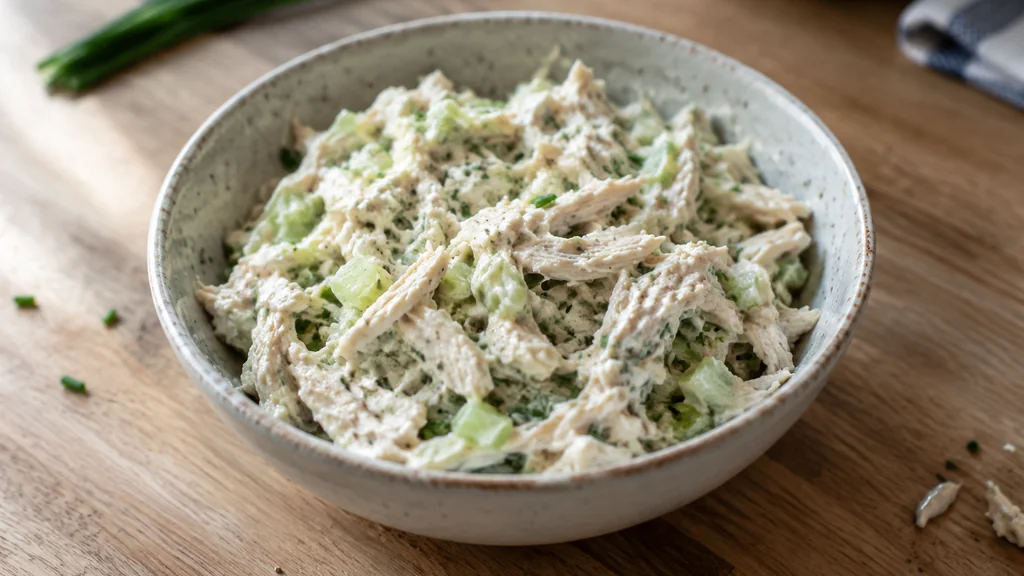
- Level tablespoon
- Filled to the rim, scraped flat — about 15g, roughly 34–37 kcal for standard chicken mayo.
- Heaped tablespoon
- Piled above the rim, the way most people actually serve it — about 25g, roughly 56–61 kcal.
Food Safety, Storage, and Shelf Life
Mayonnaise-dressed chicken is more perishable than plain cooked chicken, so it needs a tighter storage window. The Food Standards Agency guidance is the one to follow.
Cooked or reheated chicken must reach a safe core temperature. Cool cooked chicken before dressing it with mayonnaise and refrigerating. Once dressed, keep it refrigerated in an airtight container. See the reference table below for time and temperature guidance.
| Task | Temperature | Time |
|---|---|---|
| Cooked or reheated chicken | 70°C | 2 minutes minimum |
| Alternative: lower heat | 65°C | 10 minutes |
| Alternative: very low heat | 60°C | 45 minutes |
| Cool cooked chicken | Room temp | 1–2 hours |
| Refrigerate finished dish | 5°C or below | Up to 2 days |
Never freeze mayonnaise-dressed chicken. The emulsion breaks on thawing, and you end up with watery, oily shreds that no amount of stirring will rescue. If you have cooked too much chicken, freeze the plain meat and dress it after defrosting.
Steve Deacon’s Verdict on Getting the Balance Right
Chicken mayo is not a health food, and pretending otherwise leads to disappointment. What it can be is a decent, protein-forward lunch that fits most people’s day without much fuss, provided you know which version you are eating.
My own approach is simple. I would rather eat a smaller amount of properly made chicken mayo than a large tub of the light stuff, because the full-fat version satisfies in a way the reduced-fat one does not, and I stop eating sooner. When I want volume, I make my own with the yoghurt blend and pile in celery and chives. Quality chicken matters more than anything else. Dry, bland breast meat needs more mayonnaise to become palatable, and that is where the calories quietly accumulate. Good chicken needs less.
Dry, bland chicken needs more mayonnaise to taste of anything. Good chicken needs less. That’s the whole calorie difference, right there, before you’ve even opened a nutrition label.
For a packed lunch, I keep the filling and the bread separate until I eat, which stops the bread going soggy and lets me control the portion. Two heaped tablespoons is usually plenty. And if you are buying from a supermarket, read the actual nutrition label on the pack, because the range across the shelf is wider than most people expect.
Frequently Asked Questions About Chicken Mayo Calories
Is chicken mayo good for weight loss?
It can be, with adjustments. A standard chicken mayo sandwich at 390–450 kcal fits a normal day, but it is not a light option. Switching to a light filler version, or making the 50/50 yoghurt blend at home, brings it into a more comfortable range. The protein content, around 17g per 100g of filler, helps with satiety, which is a genuine advantage over a purely carb-based lunch. If you are looking for more options to keep lunch lighter, everyday healthy recipes for weight loss can help you build a balanced rotation around lighter proteins.
How many calories in a tablespoon of chicken mayonnaise?
A level tablespoon of standard chicken mayo is modest in calories. A heaped tablespoon, which is what most people actually use, is substantially more. If you are tracking, weigh the first few spoonfuls so you learn what your own tablespoon looks like, because the difference between level and heaped adds up fast across a week.
Why are supermarket chicken mayo sandwiches so high in calories?
Two reasons. The filling is roughly half mayonnaise by weight, and mayonnaise is around 680 kcal per 100g because it is mostly oil. Then the bread typically adds a further 150–200 kcal (my own working estimate) for a standard sandwich, plus any spread or butter. Most high-street sandwiches, including the Tesco and Greggs options above, qualify as substantial meals, which is worth knowing before you add a packet of crisps.
Can you eat chicken mayo on keto/low-carb?
The filling itself is very low in carbs at around 1.5g per 100g, so it fits a low-carb plan comfortably. The problem is the delivery vehicle. Bread, baguettes and wraps are where the carbs live, ranging from 36g to 62g per item in the products above. Serve the filling on a bed of leaves, in a lettuce wrap, or with celery sticks and you have a genuinely low-carb lunch.
Best way to cut calories in a chicken mayo sandwich?
Start with the dressing. A 50/50 blend of light mayonnaise and 0% Greek yoghurt cuts the fat substantially. Use mostly chicken with less dressing to keep the filling properly meaty. Skip the butter on the bread, or use a thin scrape instead of a full spread. Leave out sweetcorn and bacon if you are counting, and add celery, chives, mustard and lemon for flavour instead. That combination keeps the filling remarkably light.

You might also love
More in Guides & Techniques
Top 5 Las Vegas Hotels with Award-Winning Restaurants
Updated: July 12, 2026 This post may contain affiliate links. As an Amazon Associate we earn from qualifying purchases. Vegas, baby! A…
Read
Diet Changes That Could Help You to Manage Stress
Updated: July 12, 2026 This post may contain affiliate links. As an Amazon Associate we earn from qualifying purchases. Most of us…
Read
Obscure Facts About the Whipped Cream You Probably Didn’t Know About
Updated: July 12, 2026 This post may contain affiliate links. As an Amazon Associate we earn from qualifying purchases. It’s unlikely that…
Read
How to Prepare a Mango (Slice, Score, and Fan in 90 Seconds)
Updated: July 28, 2026 This post may contain affiliate links. As an Amazon Associate we earn from qualifying purchases. To prepare a…
Read
How to make Cheesy Dauphinoise Potatoes
Updated: September 29, 2026 This post may contain affiliate links. As an Amazon Associate we earn from qualifying purchases. Hey, my Fine…
Read
Slow Cooker Tasting Bland and Watery? 7 Fixes That Actually Work
Updated: July 12, 2026 This post may contain affiliate links. As an Amazon Associate we earn from qualifying purchases. Updated June 2026.…
Read